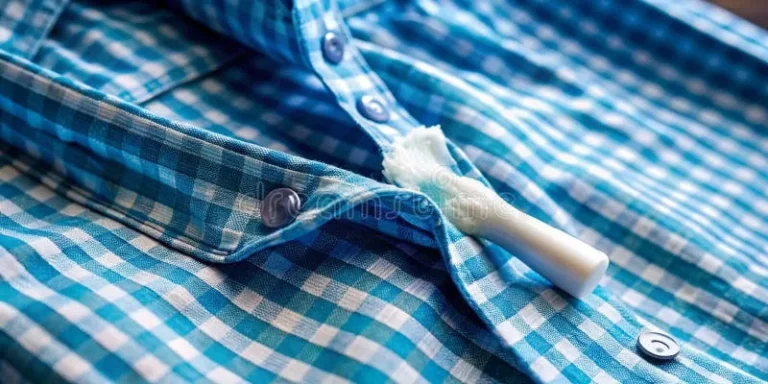
How to Remove Slime From Clothes: Beginner-Friendly Guide
If your kid has ever come home with a glob of neon green slime smashed into their jeans, you already know the panic. How to remove slime from clothes isn't as simple as tossing the garment in the wash and hoping for the best. Slime behaves differently from most stains, and the wrong move can lock it into the fabric permanently.
The good news is that most slime stains come out completely if you act fast and use the right method for the situation. The key variables are the type of fabric, how long the slime has been sitting, and what the slime is actually made of. As of 2026, the American Cleaning Institute still recommends starting with the gentlest approach and escalating only as needed, which is exactly the logic we'll follow here.
Image source: Bing (Web (fair-use with source credit))
Quick Answer: What Actually Works on Slime Stains
Scrape off as much excess slime as you can with a dull knife or spoon. Then apply white distilled vinegar to the stain and let it sit for 10 to 15 minutes. Work a small amount of liquid dish soap into the fabric with your fingers or a soft brush.
Rinse with cold water. If residue remains, dab with 70% isopropyl rubbing alcohol. Launder in cold water and air dry to confirm the stain is gone before using a dryer.
Why Slime Stains Are Trickier Than They Look
Most everyday stains are water-soluble or oil-based, and standard detergent handles both pretty well. Slime is different. Commercial and homemade slime is typically built on a polyvinyl alcohol (PVA) or polyvinyl acetate (PVA/white glue) base, which means it forms a polymer film as it dries.
That film bonds to fabric fibers in a way that water alone won't break.
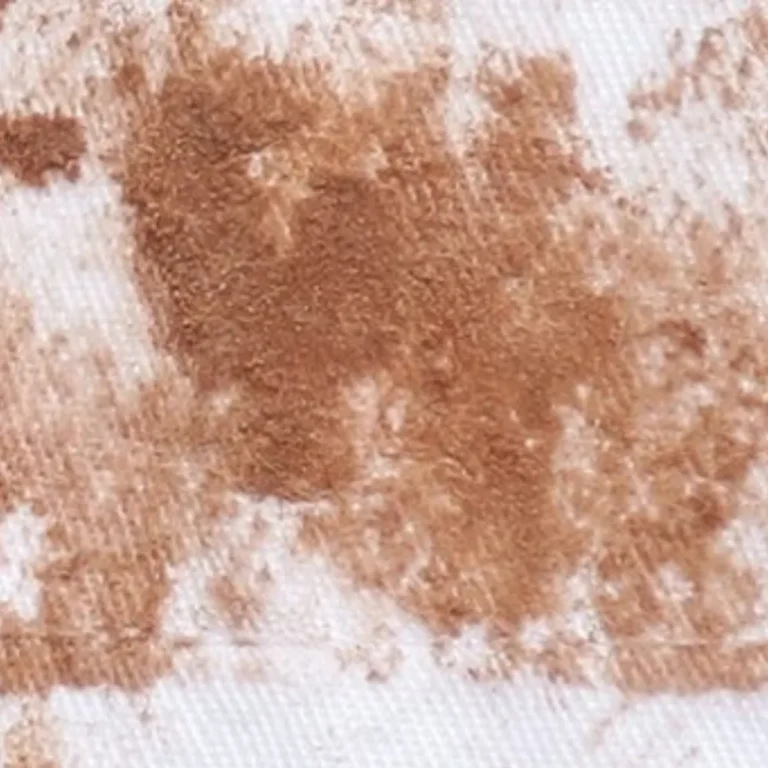
On top of that, most slime is heavily dyed. Even after you remove the gooey part, a colored shadow can linger in the weave of the fabric. That's a separate problem from the slime itself, and it needs a different treatment approach.
The other thing that trips people up is timing. Fresh slime is wet and pliable, so it's relatively easy to lift off. Dried slime has cross-linked into the fibers, and aggressive rubbing just pushes it deeper.
Knowing which state you're dealing with is the single biggest factor in whether the garment survives this.
What's in Slime — and Why That Matters for Stain Removal
Not all slime is created equal, and the ingredients dictate which removal method will work best.
Commercial slime (the kind sold in toy aisles) is usually PVA-based with added dyes, fragrances, and sometimes microbeads or glitter. It tends to be more uniform in consistency, which actually makes it a bit easier to remove because it peels off in chunks.
Homemade slime varies wildly. The most common recipes use white school glue (PVA) activated with borax solution, contact lens solution (which contains boric acid), or liquid starch. Some recipes add shaving cream, cornstarch, or lotion, which changes the texture and how it interacts with fabric.
Here's why that matters for stain removal:
- PVA-based slime responds well to white vinegar, which breaks down the polymer.
- Borax-activated slime may leave a slightly alkaline residue that vinegar also neutralizes.
- Glitter or additive-laden slime often requires extra attention because particles can embed in the fabric even after the base slime is gone.
- Clear slime is less likely to leave a dye stain but can still leave a sticky polymer residue.
If you know what kind of slime you're dealing with, you can skip straight to the right method. If you don't, the decision guide below will walk you through it.
The Decision Guide: Which Method to Use Based on Your Situation
The right approach depends on three things: the state of the slime (fresh or dried), the fabric type, and whether there's dye residue. Here's how to match your situation to the right method.
Fresh Slime on Sturdy Fabric (Cotton, Denim, Polyester)
This is the easiest scenario. Scrape off the bulk with a dull knife or the edge of a spoon. Don't rub it, just lift.
Then soak the area in white distilled vinegar for 10 to 15 minutes. Apply a few drops of liquid dish soap and work it in gently with your fingers. Rinse under cold running water.
Launder as usual in cold water.
Dried or Set Slime on Any Fabric
Dried slime needs to be re-loosened before you can remove it. The safest way is the freezer method: place the garment in a plastic bag and put it in the freezer for 1 to 2 hours. Once the slime is frozen solid, crack it with your fingers and peel it off in pieces.
Follow up with vinegar and dish soap as described above. If the fabric is too bulky for the freezer, soak the area in white vinegar for 20 to 30 minutes to soften the residue, then scrape gently.
Slime on Delicate or Dry-Clean-Only Fabric
Delicate fabrics like silk, wool, and rayon can't handle aggressive scrubbing or strong solvents. Start by freezing and carefully peeling off as much slime as possible. Then dab (don't rub) the area with a cloth dampened with white vinegar.
If the stain persists, take it to a professional cleaner and tell them exactly what the stain is. Don't experiment with rubbing alcohol on delicate fibers, it can cause discoloration or texture damage.
Colored Slime That Left a Dye Residue
If the slime itself is gone but a colored shadow remains, you're dealing with a dye stain, not a slime stain. Dab the area with 70% isopropyl rubbing alcohol using a clean white cloth. The alcohol dissolves the dye without damaging most colorfast fabrics.
Blot from the outside of the stain inward to prevent spreading. Rinse with cold water and repeat if needed. For white fabrics, a small amount of oxygen-based bleach (like OxiClean) in cold water can help lift the last traces.
Step-by-Step: The Freezer and Scrape Method
This is the best first move for dried slime, and it works on almost any fabric. It's non-toxic, requires zero chemicals, and won't damage delicate materials.
What you'll need:
- A sealable plastic bag (gallon-sized works well)
- Access to a freezer
- A dull knife, spoon, or your fingernails
- A clean, dry cloth
Steps:
Place the stained garment inside the plastic bag. Seal it to protect the fabric from freezer odors and ice crystals.
Lay the bag flat in the freezer. Leave it for at least 1 to 2 hours. Thicker slime may need the full 2 hours.
Remove the garment and immediately begin peeling the frozen slime off. It should crack and lift away from the fabric in chunks. Use a dull knife or spoon to gently pry off any stubborn pieces.
Work from the edges of the stain toward the center. This prevents you from spreading the slime to clean areas of the fabric.
Once the bulk of the slime is gone, inspect the area. If there's still a sticky or colored residue, move on to the vinegar and dish soap method described in the next section.
Don't put the garment in the dryer until you're certain the stain is completely gone. Heat will set any remaining residue permanently.
Image source: Bing (Web (fair-use with source credit))
This method is especially useful for bulky items like jackets or stuffed animals that can't easily be soaked. It's also the safest starting point when you're not sure what the fabric can handle.
Step-by-Step: The Vinegar and Dish Soap Method
White distilled vinegar is mildly acidic, which makes it effective at breaking down the PVA polymer in slime. Dish soap acts as a surfactant, lifting the loosened particles away from the fabric fibers. Together, they handle the majority of slime stains on washable clothing.
What you'll need:
- White distilled vinegar (5% acidity, standard grocery store variety)
- Liquid dish soap (any standard brand)
- A clean white cloth or soft-bristle brush
- Cold running water
Steps:
Lay the garment flat with the stain facing up. If the slime is still gooey, scrape off as much as you can first with a dull knife or spoon.
Pour or dab white distilled vinegar directly onto the stain. You want the fabric saturated, not just damp. Let it sit for 10 to 15 minutes. For older or thicker stains, extend that to 20 minutes.
Apply 2 to 3 drops of liquid dish soap over the vinegar-soaked area. Gently work it into the fabric using your fingertips or a soft-bristle brush. Use light circular motions. Don't scrub hard, especially on thin or delicate fabrics.
Rinse the area under cold running water from the back of the stain. This pushes the slime residue out of the fabric rather than deeper into it.
Check the area under good lighting. If you still see residue, repeat steps 2 through 4 before moving to the garment's care label laundering instructions.
Once the stain appears gone, launder the garment in cold water using your regular detergent. Air dry and inspect one more time before putting it anywhere near a dryer.
Image source: Bing (Web (fair-use with source credit))
A note on vinegar odor: Some people worry the vinegar smell will linger. It won't. Once the garment dries, the acetic acid in vinegar dissipates completely.
It leaves no scent behind.
This method works best on fresh to moderately dried slime on cotton, polyester, and most blended fabrics. If you're dealing with a dye stain after the slime is already gone, the rubbing alcohol method below is your better next step.
Step-by-Step: Using Rubbing Alcohol for Stubborn Residue
Sometimes vinegar and dish soap get the bulk of the slime but leave behind a faint sticky patch or a colored shadow. That's when 70% isopropyl rubbing alcohol comes in. It dissolves polymer residue and lifts dye without the harshness of acetone or nail polish remover.
This step is a follow-up, not a starting point. Always try the vinegar method first. Save rubbing alcohol for what's left behind.
What you'll need:
- 70% isopropyl rubbing alcohol (available at any pharmacy or grocery store)
- A clean white cloth or cotton pad
- Cold water
Steps:
Dampen a clean white cloth or cotton pad with rubbing alcohol. Don't pour it directly onto the garment. You want controlled application so the alcohol doesn't spread the stain to clean fabric.
Dab the stained area gently. Work from the outer edge toward the center. You should see the residue transfer onto the cloth. Rotate to a clean section of the cloth as it picks up color or slime.
Continue dabbing until no more residue transfers. This usually takes 2 to 5 minutes depending on the stain's age and size.
Rinse the area thoroughly with cold water to remove any alcohol and dissolved residue.
Launder the garment in cold water and air dry. Inspect before using the dryer.
Always do a patch test first. Apply a small amount of rubbing alcohol to an inconspicuous area like an inside seam. Wait a minute. If the fabric color doesn't change or bleed, you're safe to proceed.
Rubbing alcohol can affect certain fabric dyes and finishes, particularly on acetate, rayon, and some dark-dyed synthetics. If you're unsure about the fabric, the vinegar method alone repeated a couple of times is the safer bet.
What to Do If the Stain Survived the First Attempt
Don't panic. A slime stain that didn't fully come out on the first try isn't necessarily permanent. It just needs a different or repeated approach.
Try soaking instead of spot-treating. Fill a basin with a solution of one part white distilled vinegar to two parts cold water. Submerge the stained area and let it soak for 30 to 60 minutes. The longer soak gives the vinegar more time to penetrate dried polymer that a quick dab couldn't reach.
After soaking, apply dish soap directly to the stain and gently brush. Rinse with cold water. If you're still seeing residue, repeat the soak once more before escalating.
Use an enzyme-based laundry detergent soak. If the slime contained any organic additives (food coloring, lotion, shampoo from a homemade recipe), enzymes can help break down those proteins. Mix the detergent according to the label's pre-soak directions and submerge the garment for 1 to 2 hours. Then wash in cold water.
For white or colorfast fabrics only: You can try an oxygen-based bleach soak. Products like OxiClean use sodium percarbonate, which releases hydrogen peroxide in water. It lifts both polymer residue and dye.
Follow the package's dilution instructions. Soak for 1 to 6 hours depending on severity. Do not use chlorine bleach on colored slime stains, it can set the dye further and may react unpredictably with PVA residues.
When to repeat versus when to escalate: If the stain is visibly lighter after your first attempt, repeat the same method one more time. If there's no visible change at all after a full treatment cycle, switch to a different method. Persisting with the same ineffective approach just risks damaging the fabric from over-wetting.
Common Mistakes That Make Slime Stains Permanent
A few habits turn a treatable stain into a ruined garment. Here's what to watch for.
Rubbing fresh slime into the fabric. This is the single most common mistake. When you see wet slime on clothing, your instinct is to wipe it off. Don't.
Rubbing pushes the slime deeper into the weave and spreads it over a larger area. Always scrape first, then treat with liquid.
Using hot water from the start. Hot water can set PVA-based stains by causing the polymer to bond more tightly to the fibers. Always start with cold water. You can move to warm water later in the process, but only after the stain is confirmed gone.
Tossing the garment in the dryer before checking. The dryer is the point of no return. Heat sets slime stains permanently. Every.
Single. Time. Air dry and inspect the treated area under good light.
If there's any trace left, you still have a chance to re-treat.
Mixing vinegar and bleach. Some stain removal guides suggest bleach as a backup. Never mix white vinegar with chlorine bleach. The combination produces chlorine gas, which is toxic.
If you're using bleach on a white garment as a last resort, make sure all vinegar residue is thoroughly rinsed out first.
Applying acetone or nail polish remover to synthetic fabrics. Acetone dissolves acetate, triacetate, and some polyester blends. It can literally melt holes in the fabric. Stick to rubbing alcohol for synthetic garments.
Waiting too long. Fresh slime comes off in minutes. Dried, set slime can take hours of repeated treatment. The sooner you start, the better your odds.
If your kid comes home with slime on their clothes, don't wait until laundry night.
| Mistake | Why It's a Problem | What to Do Instead |
|---|---|---|
| Rubbing fresh slime | Spreads it deeper and wider | Scrape with a dull knife or spoon |
| Hot water first | Sets the polymer into fibers | Start with cold water |
| Using dryer before stain is gone | Heat makes it permanent | Air dry and inspect carefully |
| Mixing vinegar and chlorine bleach | Produces toxic chlorine gas | Rinse thoroughly between any treatments |
| Acetone on synthetics | Can dissolve the fabric | Use rubbing alcohol or vinegar |
| Delaying treatment | Dried slime bonds harder to fibers | Treat as soon as you notice it |
When to Call a Professional Cleaner
Sometimes a stain is beyond what home methods can handle, and that's okay. A professional cleaner has access to industrial solvents and techniques that aren't available over the counter.
Consider professional help if:
- The garment is labeled dry-clean only and the stain covers a large area
- You've tried two or three home methods with no visible improvement
- The fabric is silk, wool, leather, or a delicate vintage piece
- The slime has been heat-set (through a dryer or iron) and home pretreatment made no difference
- The garment is expensive or sentimental and you can't risk further damage
Tell the cleaner exactly what the stain is. Don't just say "sticky spot." Describe the slime as PVA-based or glue-based, mention the color, and note how long it's been on the garment. The more information you give them, the better they can choose the right solvent.
Cost expectations as of 2026: Professional stain treatment typically runs $15 to $40 per garment depending on the fabric and extent of the stain. Many dry cleaners will consult on the spot for free and give you an honest assessment of whether they can help. It's worth the ask before you write off a favorite shirt.
Frequently Asked Questions
Can I use nail polish remover instead of rubbing alcohol?
Nail polish remover contains acetone, which is much harsher than isopropyl alcohol. It can dissolve acetate and triacetate fabrics on contact. It can also strip dye from colored clothing.
Stick to 70% isopropyl rubbing alcohol for stain removal. It's safer, cheaper, and easier to find.
Does the type of slime matter for removal?
Yes. Commercial slime tends to be more uniform and peels off in chunks. Homemade slime varies by recipe.
Borax-activated slime responds well to vinegar. Glitter slime may leave particles behind even after the base is removed. Clear slime rarely leaves dye but can leave a sticky film.
Will hot water set a slime stain?
It can. Hot water causes PVA-based polymers to bond more tightly to fabric fibers. Always start with cold water.
Only use warm water after the stain is confirmed gone, as part of a normal wash cycle.
How long do I have before a slime stain becomes permanent?
There's no hard deadline, but the clock starts ticking as soon as the slime dries. Fresh slime (wet, within minutes) comes off easily. Dried slime (several hours old) needs more effort.
Heat-set slime (run through a dryer or ironed) is the hardest to remove and may be permanent on some fabrics.
Can I prevent slime stains in the first place?
The best prevention is a barrier. Have kids wear old clothes or a smock during slime play. Lay down a plastic tablecloth or silicone mat on the work surface.
For homemade slime, consider using washable food coloring instead of concentrated dyes. These steps won't eliminate the risk, but they'll save your good clothes.
What if the slime has glitter or beads in it?
Glitter and microbeads embed in fabric fibers and are harder to remove than the slime itself. After removing the bulk of the slime, press a piece of wide packing tape over the area and peel it off repeatedly. The tape picks up particles that brushing misses.
Follow with the vinegar and dish soap method to address any remaining residue.