How to Get Crayon Out of Fabric (2026) — Pro Tips & Tricks
Getting crayon on fabric is one of those parenting moments that hits different when you're staring at a favorite shirt covered in waxy rainbows. If you're wondering how to get crayon out of fabric, the good news is that most crayon stains come out completely with the right approach. The trick is understanding what you're working with before you start scrubbing.
Crayons are made of paraffin wax and pigment, which means you're actually dealing with two problems at once. The wax melts and seeps into fibers first, then the colored pigment binds to the fabric. According to the American Cleaning Institute, wax-based stains respond best to heat-based removal combined with a degreasing agent.
Let's walk through exactly how to tackle this based on what you're working with.
Quick Answer
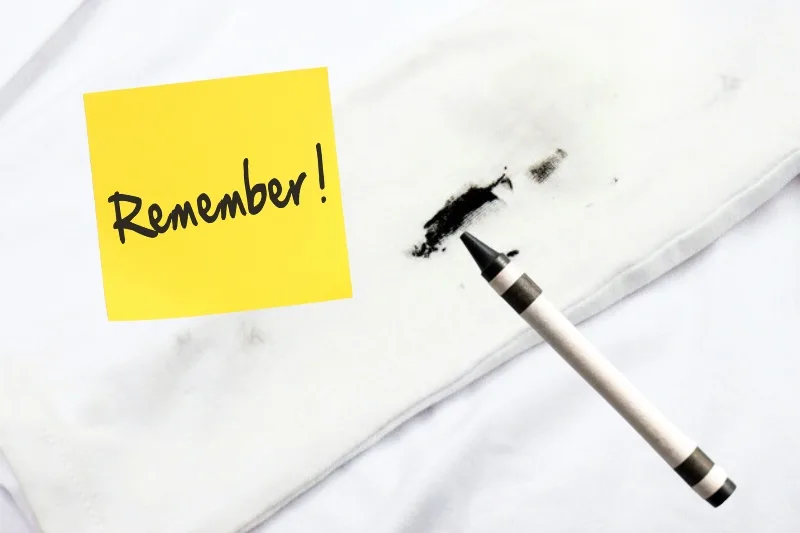
Scrape off excess wax gently. Place paper towels over the stain and iron on low heat to melt and absorb the wax. Apply liquid dish soap to the remaining pigment.
Wash in the warmest water safe for the fabric. Air dry and check before repeating.
The Real Reason Crayon Stains Stick (And What to Do First)
Here's what makes crayon tricky. It's not just a surface stain. Paraffin wax has a melting point around 120 to 150 degrees Fahrenheit, which means body heat alone can soften it and push it deeper into fabric fibers.
Once the wax penetrates, the pigment particles get trapped in the wax and essentially dye the fabric from the inside.
That's why the order of operations matters so much. If you throw a crayon-stained shirt in the washing machine without pre-treating, you're basically just driving the wax deeper. And if you toss it in the dryer afterward, the heat sets everything permanently.
We've seen plenty of "ruined" garments that were actually salvageable if someone had caught them before the dryer cycle.
The first thing to do is stay calm and resist the urge to rub the stain. Rubbing spreads the wax and pushes pigment into more fibers. Instead, grab a dull edge like a butter knife or the side of a credit card and gently lift away any crayon sitting on top of the fabric.
You're not trying to dig it out. You're just removing the surface layer so your actual cleaning method can reach what's underneath.
Understanding What You're Dealing With
What crayon is made of and why it's tricky
Crayola crayons, which account for the majority of crayon stain calls, are made from paraffin wax and color pigment. The wax acts as a binder that holds the pigment and lets it glide across paper. But that same wax loves to melt and cling to fabric fibers.
Once it's in there, water alone won't touch it. You need something that breaks down wax and something that lifts pigment.
Paraffin wax is hydrophobic, meaning it repels water. That's why your regular laundry cycle won't cut it. You need a degreasing agent, something that can break the wax into smaller particles and suspend them so they rinse away.
Dish soap is perfect for this because it's literally designed to cut through grease and wax.
Wax vs. pigment: the two-part stain problem
Think of a crayon stain as a two-layer problem. The wax is the carrier. The pigment is the color.
When you apply heat, the wax melts and transfers to your paper towel or brown paper bag. But the pigment often stays behind, embedded in the fibers. That's why you might get the waxy feel out of a shirt but still see a faint colored shadow.
That shadow is pigment, and it needs a different approach, usually dish soap and gentle agitation.
Why fabric type changes everything
Not all fabrics play by the same rules. Cotton and polyester can handle more heat and agitation. Silk and wool are delicate and can be damaged by high heat or harsh scrubbing.
Always check the care label first. If the label says "dry clean only," that's your answer. Don't try to be a hero with a home remedy on a silk blouse.
Here's a quick breakdown of how common fabrics respond to crayon stain removal:
| Fabric | Heat Tolerance | Agitation Tolerance | Recommended Method |
|---|---|---|---|
| Cotton | High | High | Iron method, warm wash |
| Polyester | Medium | High | Iron on low, warm wash |
| Denim | High | High | Iron method, warm wash |
| Silk | Low | Low | Dry clean recommended |
| Wool | Low | Low | Dry clean recommended |
| Linen | Medium | Medium | Iron on low, lukewarm wash |
Before You Start: Check Your Fabric and Stain
How to read the care label before treating
Flip the garment inside out and find that little tag. You're looking for the fabric content and any care symbols. A triangle with an X means no bleach.
A circle means dry clean. An iron with one dot means low heat. These symbols exist for a reason, and ignoring them is how good clothes get ruined.
If you're dealing with something like a couch cushion or a stuffed animal that doesn't have a care label, test your cleaning method on a hidden area first. An inside seam, the back of a cushion, anywhere it won't show if something goes wrong.
Fresh vs. set-in crayon: does it matter?
Absolutely. A fresh crayon stain that just happened is dramatically easier to remove than one that's been sitting for days or has already been through the dryer. Fresh wax hasn't had time to fully penetrate fibers, and the pigment hasn't bonded as tightly.
If you catch it within the first few hours, you'll likely get it out in one or two treatment cycles.
Set-in stains, especially ones that have been heat-dried, can take three or more rounds of treatment. They're not impossible, but they require more patience. The key is to not give up after one attempt.
Sometimes it takes repeating the iron-and-paper-towel method two or three times to fully pull the wax out.
Delicate fabrics that need special handling
Silk, wool, cashmere, and rayon are the ones that make people nervous, and rightfully so. These fibers can shrink, distort, or lose their finish when exposed to heat or water. For these fabrics, your safest bet is to blot away excess wax gently and take the item to a professional dry cleaner.
Tell them it's a paraffin wax and pigment stain. They have solvents that can handle it without damaging the fabric.
If you do want to try a home method on a delicate fabric, skip the iron entirely. Try the freezing method instead. Pop the garment in the freezer for a couple of hours until the wax is hard and brittle, then gently scrape it off.
Follow up with a small amount of rubbing alcohol on a cotton swab for any remaining pigment. Test on a hidden area first.
Method 1: The Iron-and-Paper-Towel Trick
This is the go-to method for most crayon stains on washable fabrics, and it works surprisingly well. The idea is simple: you use low heat to melt the wax, then absorb it into paper before it can resettle into the fabric.
Why heat works on wax-based stains
Paraffin wax melts at a relatively low temperature, around 120 to 150 degrees Fahrenheit. A household iron on a low or medium setting reaches that range easily. When the wax melts, it becomes liquid again and can be transferred to an absorbent surface.
Paper towels and brown paper bags are ideal because they're porous enough to soak up the wax without releasing it back onto the fabric.
The key is controlled heat. Too much heat can damage synthetic fibers or scorch cotton. Too little heat won't melt the wax enough to transfer.
Start on the lowest setting and work your way up if needed.
Step-by-step ironing method
Here's exactly how to do it:
- Lay the stained garment flat on an ironing board with the stain facing up.
- Place a clean paper towel or a piece of brown paper bag directly over the stain. If the stain is large, use two layers.
- Set your iron to a low or medium setting. No steam.
- Press the iron down onto the paper towel over the stain. Hold for about 10 to 15 seconds.
- Lift the iron and check the paper towel. You should see wax transferring onto it.
- Move the paper towel to a clean section and repeat. Don't use the same spot on the paper towel or you'll just redeposit the wax.
- Continue until no more wax is transferring.
What to use: paper towels vs. paper bags
Both work, but they have slightly different strengths. White paper towels are great because you can see the wax transferring in real time. Brown paper bags, the kind you get from the grocery store, are slightly more absorbent and can handle larger stains.
Avoid anything with printing or ink, as the heat can transfer that onto your fabric too.
When this method works best
The iron method is ideal for fresh to moderately set-in stains on cotton, polyester, denim, and other washable fabrics. It's less effective on stains that have been heat-set in a dryer, though it can still help with those if you're patient and repeat the process. It's not recommended for delicate fabrics like silk or wool, as the heat can damage them.
If you're also dealing with lint issues on your clothes after washing, you might want to check out our guide on how to remove lint from clothes in the washing machine for keeping your garments looking clean all around.
Method 2: Freeze and Scrape
How freezing hardens wax for easy removal
If you're working with a fabric that can't handle heat, or if you just want a gentler first step, freezing is your friend. When paraffin wax gets cold, it becomes hard and brittle instead of soft and sticky. That makes it much easier to remove mechanically without melting it deeper into the fabric.
Best tools for scraping without damaging fabric
Once the wax is frozen, you want to use something with a dull edge. A butter knife, a credit card, a plastic spatula, or even a fingernail can work. The goal is to lift and flake the wax off, not to scrape aggressively.
Work from the outside of the stain toward the center to avoid spreading it.
Avoid anything sharp like a razor blade or scissors. You're not shaving the fabric. You're gently lifting hardened wax off the surface.
When to choose freezing over heat
Freezing is the better choice for delicate fabrics, for large stains where you don't want to risk spreading wax with heat, and for situations where you don't have an iron handy. It's also a good first step before using the iron method. Freeze first to remove the bulk of the wax, then iron to get what's left.
One downside is that freezing doesn't address the pigment. You'll still need to follow up with dish soap or another cleaning agent to tackle the color left behind.
Method 3: Dish Soap and Warm Water
Why dish soap breaks down wax and pigment
Liquid dish soap is a degreasing agent, which means it's designed to break down oily, waxy substances and suspend them in water. When you apply it to a crayon stain, the surfactants in the soap surround the wax particles and pigment, lifting them away from the fabric fibers so they can rinse out.
Any standard dish soap works. You don't need anything fancy or antibacterial. The basic blue Dawn is a popular choice, but any brand will do the job.
How to pre-treat before washing
After you've removed as much wax as possible with the iron or freezing method, it's time to tackle the remaining pigment. Here's how:
- Apply a small amount of liquid dish soap directly to the stain.
- Gently work it into the fabric with your fingers or a soft-bristled brush. Don't scrub hard. You want to lift the pigment, not grind it in.
- Let it sit for 10 to 15 minutes. This gives the soap time to break down the remaining wax and pigment.
- Rinse with warm water from the back of the stain. Pushing water through the back helps push the stain out rather than deeper in.
Water temperature guidelines by fabric type
Hot water melts wax, which sounds helpful but can actually make things worse by spreading the stain. Warm water is the sweet spot for most fabrics. It helps the soap work effectively without reactivating the wax.
For delicate fabrics, use cool water and be extra gentle.
| Fabric | Water Temperature | Notes |
|---|---|---|
| Cotton | Warm to hot | Can handle higher temps |
| Polyester | Warm | Avoid hot to prevent setting |
| Denim | Warm | Sturdy enough for most temps |
| Silk | Cool | Hand wash only |
| Wool | Cool | Risk of shrinkage with heat |
| Linen | Lukewarm | Can shrink with hot water |
Method 4: Rubbing Alcohol for Stubborn Pigment
When dish soap isn't enough
Sometimes after removing the wax, you're left with a faint colored shadow that dish soap alone won't lift. That's pigment that's bonded to the fabric fibers. Rubbing alcohol can help break that bond because it's a solvent that dissolves certain types of dye.
How to apply without spreading the stain
Dampen a clean white cloth or cotton ball with rubbing alcohol. Blot the stain gently, working from the outside in. Don't rub.
Rubbing spreads the pigment to clean areas of the fabric. Keep blotting with fresh sections of the cloth until the color stops transferring.
Fabrics to avoid with alcohol
Rubbing alcohol can affect the finish on some synthetic fabrics and can cause color loss on dyed fabrics. Always test on a hidden area first. Avoid using alcohol on acetate, triacetate, or any fabric with a special finish like water repellent coatings.
Method 5: Commercial Stain Removers and Solvents
What products work on crayon
Several commercial products are effective on crayon stains. OxiClean, Shout, and Zout are popular pre-treatment options. Goo Gone and WD-40 are also commonly recommended because they're designed to dissolve waxy, sticky substances.
Apply any of these according to the product instructions, then launder as usual.
WD-40 and Goo Gone: do they help?
Both of these products can help dissolve wax. WD-40 is a light lubricant that breaks down paraffin wax effectively. Goo Gone is specifically designed to remove sticky, waxy residues.
The catch is that these products can leave their own oily residue, so you'll need to follow up with dish soap to remove that before washing.
When to skip home remedies and go commercial
If you've tried the iron method and dish soap twice and the stain is still visible, it might be time to bring in the heavy hitters. Commercial stain removers have stronger solvents and enzymes that can tackle set-in pigment. They're also worth considering for large stains or stains on items where you can't afford to experiment, like a favorite jacket or a child's special blanket.
Washing and Drying: The Make-or-Break Step
How to wash after pre-treating
Once you've pre-treated the stain, wash the garment in the warmest water that's safe for the fabric. Use your regular laundry detergent. Don't overload the washing machine.
The stain needs room to rinse out properly.
Why you should never use the dryer yet
This is the single most important rule of crayon stain removal. The dryer's heat will set any remaining wax or pigment permanently into the fabric. Always air dry the garment after washing and check the stain before it goes anywhere near the dryer.
If the stain is still visible, repeat the treatment. It's tedious, but it works.
How to check if the stain is truly gone
Hold the dried garment up to natural light and inspect the stained area from multiple angles. Sometimes a stain that looks gone in artificial light is still visible in sunlight. If you can still see any trace of color, go back and repeat the treatment.
It's better to do one more round than to set the stain permanently in the dryer.
What to Do When the Stain Won't Budge
When to repeat treatment vs. try a new method
If you've done the iron method twice and the dish soap treatment and the stain is still there, try switching approaches. Maybe the freezing method will get wax that the iron missed. Maybe rubbing alcohol will lift pigment that dish soap couldn't.
Different stains respond to different methods, and sometimes it takes a combination.
Signs it's time for professional dry cleaning
If the fabric is delicate, if the stain covers a large area, or if you've tried three different methods without success, it's time to call in a pro. Dry cleaners have access to solvents and techniques that aren't available at home. The sooner you bring it in, the better the chances of full removal.
Realistic expectations for old or heat-set stains
Let's be honest. If a crayon stain has been through the dryer multiple times, it might never come out 100 percent. You can usually fade it significantly, but a faint shadow may remain.
For most everyday clothing, that's perfectly fine. For sentimental items, a professional cleaner might be able to get closer to full removal.
Common Mistakes That Make Crayon Stains Worse
Using the dryer before the stain is gone
We've said it before, but it bears repeating. The dryer is the number one cause of permanent crayon stains. Always air dry until you're certain the stain is gone.
Rubbing instead of blotting
Rubbing pushes wax and pigment deeper into fabric fibers and spreads the stain to a larger area. Always blot gently, working from the outside of the stain toward the center.
Skipping the fabric test
Every cleaning method should be tested on a hidden area first. You don't want to solve one problem by creating another, like bleaching a colored shirt or damaging a delicate fabric.
Applying too much heat too fast
High heat can scorch fabric, melt synthetic fibers, and set the stain. Start with the lowest heat setting and increase gradually if needed.
Crayon on Upholstery, Carpet, and Other Surfaces
How fabric type changes the approach
Upholstery and carpet present a unique challenge because you can't always throw them in the washing machine. For couch cushions and car seats, use the same iron method but work in small sections. For carpet, the freezing method is often easier because you can freeze the spot with an ice pack and then scrape.
Couch cushions, car seats, and rugs
For upholstery, remove the cover if possible and treat it like clothing. If the cover isn't removable, use the iron method carefully, making sure not to overheat the fabric. Blot with dish soap and warm water afterward, then blot dry with a clean towel.
Don't soak upholstery. Excess moisture can lead to mold underneath.
When to call a professional cleaner
If the crayon has ground into a light-colored carpet or a delicate upholstery fabric, or if the stain covers a large area, professional cleaning is your best bet. They have extraction machines and solvents that can handle wax stains without damaging the underlying material.
Quick Reference: Which Method to Use When
Decision guide by fabric type
- Cotton and denim: Iron method, then dish soap, warm wash
- Polyester: Iron on low, then dish soap, warm wash
- Silk and wool: Freeze and scrape, then dry clean
- Linen: Iron on low, then dish soap, lukewarm wash
Decision guide by stain age
- Fresh (same day): Iron method, one round usually does it
- Set-in (days old): Iron method repeated two to three times, then dish soap
- Heat-set (dried in dryer): Iron method, rubbing alcohol for pigment, repeat as needed
Household items vs. store-bought products
For most crayon stains, household items like paper towels, dish soap, and an iron are all you need. Commercial products are helpful for stubborn or large stains but aren't strictly necessary. Start simple and escalate only if needed.
Frequently Asked Questions
Can I use this on any fabric?
Most washable fabrics respond well to the iron and dish soap method. Delicate fabrics like silk, wool, and cashmere should be handled by a professional dry cleaner to avoid damage.
Does the crayon brand matter?
Not significantly. Most crayons are made from paraffin wax and pigment, so the removal process is the same regardless of brand. Washable crayons may come out slightly easier since they're designed to be more water-soluble.
What if I already dried the stained shirt?
All is not lost. Try the iron method to remove any remaining wax, then use rubbing alcohol on the pigment. It may take several rounds, but you can often fade the stain significantly even after it's been heat-set.
How long does crayon stain removal take?
A fresh stain usually takes 15 to 30 minutes of active treatment plus a wash cycle. Set-in stains may require 30 to 60 minutes and multiple treatment rounds. Patience is the key ingredient.
Can I use vinegar instead of dish soap?
White vinegar can help with the pigment component of the stain, but it's not as effective as dish soap for breaking down the wax. Use vinegar as a follow-up to the iron method if you don't have dish soap on hand.
Will the stain come out of a dryer drum?
If crayon melted inside your dryer, wipe the drum with a cloth soaked in WD-40 or Goo Gone, then wipe clean with a damp cloth. Run an empty cycle on high heat to remove any residue before drying clothes again.
Frequently Asked Questions
Can I use this on any fabric?
Most washable fabrics respond well to the iron and dish soap method. Delicate fabrics like silk, wool, and cashmere should be handled by a professional dry cleaner to avoid damage.
Does the crayon brand matter?
Not significantly. Most crayons are made from paraffin wax and pigment, so the removal process is the same regardless of brand. Washable crayons may come out slightly easier since they're designed to be more water-soluble.
What if I already dried the stained shirt?
All is not lost. Try the iron method to remove any remaining wax, then use rubbing alcohol on the pigment. It may take several rounds, but you can often fade the stain significantly even after it's been heat-set.
How long does crayon stain removal take?
A fresh stain usually takes 15 to 30 minutes of active treatment plus a wash cycle. Set-in stains may require 30 to 60 minutes and multiple treatment rounds. Patience is the key ingredient.
Can I use vinegar instead of dish soap?
White vinegar can help with the pigment component of the stain, but it's not as effective as dish soap for breaking down the wax. Use vinegar as a follow-up to the iron method if you don't have dish soap on hand.
Will the stain come out of a dryer drum?
If crayon melted inside your dryer, wipe the drum with a cloth soaked in WD-40 or Goo Gone, then wipe clean with a damp cloth. Run an empty cycle on high heat to remove any residue before drying clothes again.
Frequently Asked Questions
Can I use this on any fabric?
Most washable fabrics respond well to the iron and dish soap method. Delicate fabrics like silk, wool, and cashmere should be handled by a professional dry cleaner to avoid damage.
Does the crayon brand matter?
Not significantly. Most crayons are made from paraffin wax and pigment, so the removal process is the same regardless of brand. Washable crayons may come out slightly easier since they're designed to be more water-soluble.
What if I already dried the stained shirt?
All is not lost. Try the iron method to remove any remaining wax, then use rubbing alcohol on the pigment. It may take several rounds, but you can often fade the stain significantly even after it's been heat-set.
How long does crayon stain removal take?
A fresh stain usually takes 15 to 30 minutes of active treatment plus a wash cycle. Set-in stains may require 30 to 60 minutes and multiple treatment rounds. Patience is the key ingredient.
Can I use vinegar instead of dish soap?
White vinegar can help with the pigment component of the stain, but it's not as effective as dish soap for breaking down the wax. Use vinegar as a follow-up to the iron method if you don't have dish soap on hand.
Will the stain come out of a dryer drum?
If crayon melted inside your dryer, wipe the drum with a cloth soaked in WD-40 or Goo Gone, then wipe clean with a damp cloth. Run an empty cycle on high heat to remove any residue before drying clothes again.