How to Soften Stiff Fabric 2026
You pull on a fresh cotton shirt and it feels like cardboard. You grab a towel after a shower and it scratches more than it dries. Figuring out how to soften stiff fabric is one of those laundry problems that drives people crazy, because the fix isn't always the same twice.
What works for new denim won't necessarily work for a stiff linen tablecloth, and using the wrong method can actually make things worse.
The good news is that stiffness almost always has a clear cause, and once you know what's behind it, the right solution is usually straightforward. In our research, we found that the most common culprits are detergent residue, hard water mineral buildup, fabric sizing in new garments, and over-drying. The American Cleaning Institute notes that using more detergent than recommended is one of the top reasons clothes come out of the wash feeling rough and stiff.
Let's break down what's happening with your fabric and walk through the methods that actually work.
Image source: Bing (Web (fair-use with source credit))
Quick Answer
To soften stiff fabric, add half a cup of white vinegar to your rinse cycle, or soak the garment in warm water with a quarter cup of baking soda for 30 minutes. For new fabrics, wash with a small amount of liquid fabric softener to break down sizing agents. Always dry on low heat with wool dryer balls to keep fibers loose.
If you live in a hard water area, install a water softener or use a chelating detergent to prevent mineral buildup.
Why Your Fabrics Feel Stiff (And What's Actually Caused It)
Before you reach for any softening product, it helps to understand why your fabric got stiff in the first place. The cause determines the fix, and treating the wrong cause is why so many people go through a whole bottle of fabric softener with zero results.
Detergent residue is the most common reason. If you're using too much detergent, or your machine isn't rinsing thoroughly, a thin film of surfactant stays bonded to the fibers. That film makes fabric feel waxy and rigid once it dries.
High-efficiency machines use less water, which makes this worse if you're dosing detergent for a standard top-loader.
Hard water mineral buildup is the silent culprit in a lot of households. If your water measures above 120 mg/L of calcium carbonate, minerals are depositing in your fabric every time you wash. Over time, those deposits stiffen fibers and make whites look gray.
This is especially common in parts of the Midwest US, the Australian outback, and areas of the UK with limestone geology.
Fabric sizing is what makes new clothes look crisp on the rack. Manufacturers apply starch or chemical sizing agents to give garments a smooth, structured finish. That's why a brand-new cotton shirt or pair of jeans can feel like wearing a board.
The sizing washes out over a few cycles, but you can speed that up.
Over-drying in a machine dryer strips moisture from fibers and causes them to bond tightly together. Cotton and linen are especially prone to this. If your clothes feel stiff right after the dryer but soften a bit when you wear them, heat is probably your main problem.
Less common causes include line-drying in cold weather (fibers freeze in a rigid state), ironing with too much starch, and fabric softener buildup itself, which paradoxically makes towels and synthetics feel waxy and stiff over time. If you're dealing with persistent towel stiffness, our guide on how to get rid of towel lint covers some overlapping causes worth checking.
The Fastest Ways to Soften Stiff Fabric — Ranked by Effectiveness
Not all softening methods are created equal. Some work in a single wash, others take a couple of rounds. Here's how the most common approaches stack up based on aggregate user feedback and textile research.
| Method | Best For | Time to Results | Cost per Load |
|---|---|---|---|
| White vinegar rinse | Hard water buildup, detergent residue | 1 wash | $0.10–$0.25 |
| Baking soda soak | General stiffness, odor removal | 1–2 washes | $0.05–$0.15 |
| Wool dryer balls | Over-dried cotton and linen | Immediate | $0.02–$0.05 |
| Liquid fabric softener | New fabric sizing, everyday softening | 1 wash | $0.15–$0.40 |
| Hair conditioner soak | Delicates, vintage pieces | 1–2 washes | $0.10–$0.30 |
| Commercial laundry stripping | Severe buildup (detergent + minerals) | 1 session | $0.50–$1.00 |
White vinegar consistently ranks as the most effective single treatment because it tackles two problems at once: it dissolves mineral deposits and breaks down detergent residue. It's also the cheapest option by a wide margin.
Wool dryer balls give you the fastest noticeable result because they physically separate fibers during the drying cycle. They don't address the root cause of stiffness, but they make an immediate difference in how fabric feels.
Commercial fabric softener works well for new garments with sizing, but it leaves a coating on fibers that builds up over time. That's why towels treated with softener regularly start losing absorbency. Use it selectively, not on every load.
How Fabric Softening Actually Works
Understanding the mechanics helps you pick the right method and avoid wasting time on something that won't address your specific problem.
At the fiber level, stiffness happens when something restricts the natural movement of individual threads. Cotton fibers are made of cellulose chains that are naturally flexible. When minerals, detergent residue, or sizing agents fill the gaps between those chains, the fibers can't move independently.
The fabric feels rigid because, at a microscopic level, it basically is.
Acidic treatments like white vinegar work by dissolving alkaline mineral deposits and breaking the bond between detergent surfactants and fabric fibers. Vinegar has a pH of around 2.5, which is strong enough to dissolve calcium and magnesium buildup but mild enough not to damage cotton or linen at normal dilutions.
Mechanical action is what dryer balls provide. Wool balls tumble with your laundry, physically beating fibers apart and creating air pockets between them. This is the same principle behind beating a rug to fluff it up.
Synthetic dryer sheets work differently: they coat fibers with a thin layer of cationic surfactants that reduce friction between threads. That coating feels soft initially but accumulates over time.
Enzymatic and chelating detergents bind to metal ions in hard water, preventing them from depositing on fabric. If you're in a hard water area, switching to a detergent with built-in water softening agents can prevent stiffness before it starts.
The key takeaway is that softening isn't one process. It's a category of solutions, and the right one depends on whether your problem is chemical (residue, minerals), physical (over-drying, compression), or manufacturing-related (sizing).
The Best Methods for Softening Stiff Fabric Step by Step
Here's where we get practical. Each method below targets a specific cause of stiffness, so match the method to your situation for the best results.
The Vinegar Rinse Method
This is the go-to fix for hard water buildup and detergent residue. It's cheap, effective, and safe for most washable fabrics.
- Load your washing machine as normal with the stiff items.
- Add your regular detergent, but use half the normal amount to avoid adding more residue.
- Pour half a cup of distilled white vinegar into the fabric softener dispenser. If your machine doesn't have one, add it during the rinse cycle.
- Run a warm wash cycle. For cotton and linen, use water around 40 to 60 degrees Celsius (100 to 140 degrees Fahrenheit). For synthetics, use cold.
- Dry on low heat with three to six wool dryer balls.
The vinegar smell rinses out completely during the cycle. If you're sensitive to the odor, add a few drops of essential oil to the vinegar before pouring it in. Don't mix vinegar with bleach, ever.
The combination produces chlorine gas, which is genuinely dangerous.
Image source: Bing (Web (fair-use with source credit))
The Baking Soda Soak Method
Baking soda is a mild alkali that loosens detergent residue and neutralizes odors. It works best on cotton and linen that have gotten stiff from repeated washing with too much detergent.
- Fill a basin or bathtub with warm water.
- Dissolve a quarter cup of baking soda per gallon of water. Stir until fully dissolved.
- Submerge the stiff fabric and let it soak for 30 to 60 minutes. For heavy stiffness, leave it overnight.
- Wring out the excess water and run the items through a normal wash cycle with a reduced amount of detergent.
- Dry on low heat.
Don't use more than a quarter cup per gallon. Higher concentrations can leave a gritty residue on fabric, which defeats the whole purpose. Baking soda is also safe for most colors, but test on a hidden seam first if you're working with vintage or delicate items.
The Hair Conditioner Hack
This sounds odd, but it works surprisingly well for delicates, vintage fabrics, and anything that can't handle the agitation of a full wash cycle. Hair conditioner contains cationic surfactants similar to those in fabric softener, but in a gentler concentration.
- Fill a basin with lukewarm water.
- Add one to two tablespoons of standard hair conditioner per gallon. Avoid conditioners with heavy silicones or oils.
- Submerge the fabric and gently swish it around for two to three minutes.
- Let it soak for 15 to 20 minutes.
- Rinse thoroughly with clean water. Residual conditioner can attract dirt.
- Gently press out water and air dry flat.
This method is especially useful for vintage finds or thrift store pieces that feel stiff and brittle. It won't fix mineral buildup, but it will restore some flexibility to fibers that have dried out over time.
Using Wool Dryer Balls
Wool dryer balls are a mechanical solution, not a chemical one. They won't remove residue or dissolve minerals, but they physically separate fibers during the drying cycle, which makes fabric feel softer immediately.
- Tumble dry your laundry on low or medium heat.
- Add three to six wool dryer balls to the load. More balls for larger loads.
- Let the cycle run as normal. The balls bounce between garments, preventing fibers from clumping together.
- Remove items promptly when the cycle ends. Leaving them in the dryer on the heat-off tumble setting is fine, but don't let them sit in a hot drum.
Wool dryer balls last for roughly 1,000 loads before they need replacing. They also cut drying time by about 25 percent because they help hot air circulate more evenly. If you're tired of synthetics and static cling, they're a solid long-term investment.
For more on keeping fabrics in good shape over time, our guide on how to use a fabric shaver covers maintenance that pairs well with a good softening routine.
Image source: Bing (Web (fair-use with source credit))
The Commercial Fabric Softener Route
Liquid fabric softener and dryer sheets are the most convenient option, but they come with trade-offs. They work by coating fibers with a thin layer of lubricating chemicals that reduce friction. The result is immediate softness and reduced static, but that coating builds up over time.
Use liquid softener when:
- You're washing new garments with sizing agents
- You want added fragrance
- You're washing cotton or polyester blends that don't absorb water well
Skip liquid softener when:
- You're washing towels (it reduces absorbency)
- You're washing moisture-wicking athletic wear (it clogs the fibers)
- You're washing flame-resistant children's sleepwear (it can reduce fire resistance)
Dryer sheets are the most convenient but also the most problematic. They leave a waxy residue on fabric and on the inside of your dryer's lint filter, which reduces airflow over time. If you use them, clean your lint filter with warm soapy water monthly to remove the film.
For most people, vinegar and dryer balls will handle 90 percent of softening needs without the downsides of commercial products. Reserve fabric softener for specific situations where you need that extra layer of coating, like new jeans or dress shirts with heavy sizing.
Which Method Works Best for Your Fabric Type
Not every softening method plays nice with every fiber. What flattens into a mess on silk can work wonders on canvas. Here's how to match the method to the material.
Cotton and Denim
Cotton and denim are the most forgiving fabrics to soften. They handle warm water, vinegar, baking soda, and machine drying without much risk. For new jeans that feel like sheet metal, run them through a warm wash with half a cup of vinegar and a quarter cup of baking soda together.
Dry on medium heat with wool dryer balls.
If the stiffness is from sizing in a new cotton shirt, one cycle with liquid fabric softener in the rinse dispenser will usually do it. For older cotton that's gone stiff from years of detergent buildup, a full laundry stripping session (borax, washing soda, and hot water soak) may be needed.
Linen
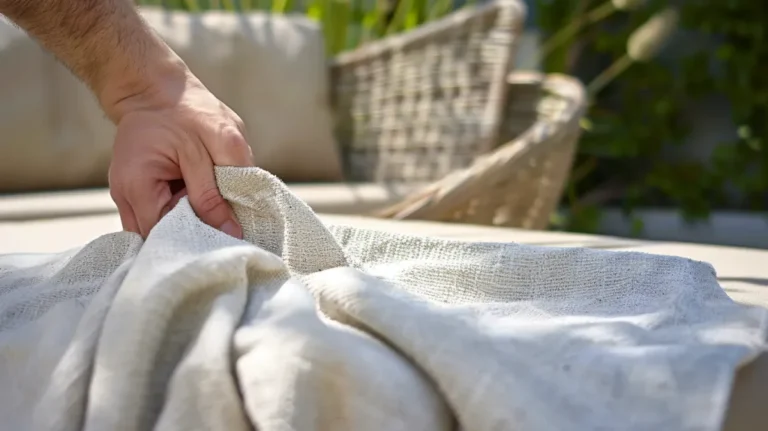
Linen stiffens naturally as it dries, which is part of its charm. But if it's too rigid for comfort, skip the fabric softener. It coats linen fibers and reduces the breathability that makes linen worth owning in the first place.
Instead, wash linen in warm water with a half cup of vinegar, then hang dry until it's slightly damp. Iron while damp on a medium setting, or tumble dry on low for five to ten minutes with dryer balls and remove immediately. The key is catching linen before it fully air-dries in a stiff state.
Towels and Absorbent Fabrics
Towels are where most people go wrong with softening. Fabric softener coats the loops of terry cloth and reduces their ability to absorb water. If your towels feel waxy and repel water instead of soaking it up, softener buildup is almost certainly the cause.
Strip towels by washing them in hot water with a cup of vinegar (no detergent), then running a second hot wash with half a cup of baking soda. After that, dry on medium heat with dryer balls. Going forward, use vinegar in the rinse cycle instead of liquid softener.
Your towels will absorb better and still feel soft. Our guide on how to remove lint from towels in the washing machine covers related maintenance that helps keep towels in good shape.
Synthetic and Blended Fabrics
Polyester, nylon, and rayon blends don't absorb water the way natural fibers do, which means detergent and mineral residue sit on the surface rather than soaking in. That's why synthetics can feel stiff even after a full wash cycle.
Use cold water and a half cup of vinegar in the rinse cycle. Avoid fabric softener on moisture-wicking athletic wear, as it clogs the engineered pores in the fabric. Dry on low heat.
If static cling is the main complaint rather than stiffness, wool dryer balls will handle both problems at once.
Delicate or Vintage Pieces
Vintage cotton, old linen, and delicate weaves can be brittle. Aggressive agitation or hot water may damage fibers that have already weakened with age. Use the hair conditioner soak method described earlier: lukewarm water, a tablespoon of conditioner per gallon, 20 minutes, then a thorough rinse.
Never wring vintage fabric. Press water out gently with a clean towel and dry flat on a drying rack. If the piece has sentimental or monetary value and you're unsure about any treatment, consult a textile conservator before experimenting.
Common Mistakes That Make Stiffness Worse
Some of the things people do to fix stiffness actually cause it. Here are the most frequent errors we've seen in user reports and laundry forums.
Using too much detergent. This is the number one mistake. More soap doesn't mean cleaner clothes. It means more residue.
Follow the dosage on the label, and if you have an HE machine, use HE-specific detergent at the HE dose. Cut the amount in half if your clothes come out feeling filmy.
Over-drying. Leaving clothes in the dryer past the point of dryness bonds fibers together. Use a moisture sensor if your machine has one, or set a timer and remove items when they're just barely dry. A few minutes of residual dampness is fine.
An extra 20 minutes of heat is not.
Using fabric softener on every load. Softener buildup is cumulative. Over weeks and months, that waxy coating makes towels less absorbent, synthetics more prone to odor retention, and dark clothes look dull. Reserve it for loads that genuinely need it, like new garments or scratchy wool blends.
Ignoring water hardness. If you live in a hard water area and you're not addressing it, no softening method will give you lasting results. Minerals redeposit on fabric every single wash. A whole-house softener or a chelating detergent is the only permanent fix.
Mixing vinegar and bleach. This bears repeating because it's genuinely dangerous. The combination produces chlorine gas. If you use bleach for whites, run a separate rinse cycle before adding vinegar to any load.
Skipping the care label. That little tag exists for a reason. Some fabrics, like wool and silk, can't handle the same treatments that cotton shrugs off. Thirty seconds of reading the label can save you from ruining a garment.
Natural vs. Commercial Softeners: Pros, Cons, and When to Use Each
The natural versus commercial debate comes up constantly in laundry discussions. Both sides have valid points, and the right choice depends on your priorities.
| Factor | Natural (Vinegar, Baking Soda, Dryer Balls) | Commercial (Liquid Softener, Dryer Sheets) |
|---|---|---|
| Cost per load | $0.02–$0.25 | $0.15–$0.40 |
| Scent | No added fragrance (vinegar smell rinses out) | Wide range of fragrances |
| Absorbency impact | None | Reduces towel absorbency over time |
| Environmental impact | Biodegradable, no synthetic chemicals | Contains quaternary ammonium compounds, slower to biodegrade |
| Static reduction | Moderate (dryer balls help) | Strong (sheets are specifically designed for this) |
| Ease of use | Requires measuring or planning | Pour and go |
| Buildup risk | Very low | Moderate to high with regular use |
Natural methods win on cost, environmental impact, and long-term fabric health. They're the better default for most households. Commercial softener wins on convenience and fragrance, and it's the better choice when you need maximum static control or want that specific "fresh laundry" scent.
A practical middle ground is to use vinegar as your primary softener and keep a bottle of commercial softener on hand for specific loads, like new clothes or dress shirts. That way you get the benefits of both without the buildup problems of relying on softener for every wash.
If you're dealing with persistent lint or pilling on top of stiffness, our article on how to get the fuzz balls off of sweaters has tips that complement a good softening routine.
How Hard Water Is Secretly Ruining Your Laundry (And How to Fix It)
Hard water is the invisible problem behind a huge percentage of laundry stiffness. If you've tried multiple softening methods and your clothes still feel rough, water quality is the first thing to investigate.
Water is considered "hard" when it contains more than 120 mg/L of dissolved calcium and magnesium. In some areas, levels exceed 300 mg/L. Every time you wash, those minerals deposit on fabric fibers.
Over time, the buildup accumulates and no amount of fabric softener will dissolve it, because softener coats fibers rather than cleaning them.
Signs you have hard water laundry problems:
- Clothes feel stiff even after using fabric softener
- Whites turn gray or yellowish over time
- Detergent doesn't lather well
- White scale buildup on your washing machine's drum or dispenser
- Skin feels dry or itchy after wearing freshly washed clothes
Testing your water. You can buy a hard water test kit at any hardware store for under ten dollars. Some water utilities also publish annual water quality reports online that list hardness levels by area. The Water Quality Association maintains resources on understanding and treating hard water at wqa.org.
Short-term fixes. Vinegar in the rinse cycle dissolves mineral deposits on fabric. Baking soda in the wash helps too. These work load by load but don't prevent redeposition.
Long-term solutions. A whole-house ion exchange water softener is the most effective permanent fix. It replaces calcium and magnesium ions with sodium ions, eliminating the problem at the source. Portable in-line softeners are available for renters who can't install a whole-house system.
Another option is switching to a chelating detergent, which binds to metal ions in hard water and prevents them from depositing on fabric.
Image source: Wikimedia Commons / James St. John (CC BY)
Expert Tips Most People Don't Know About Softening Fabric
These are the tricks that experienced launderers and textile professionals use, but that rarely show up in basic how-to guides.
Wash new clothes twice before wearing. Most new garments have sizing that one wash won't fully remove. A second wash with vinegar breaks down the remaining agents and prevents that stiff, "store-bought" feel from transferring to your skin.
Don't overload the washer. Clothes need room to move. An overloaded machine can't rinse properly, which means detergent and mineral residue stay in the fabric. Fill the drum to about three-quarters capacity for the best results.
Add vinegar to the first wash of dark colors. It helps set dye and reduce fading while also softening. A half cup in the rinse cycle won't affect the color of black, navy, or dark red garments.
Use the extra rinse cycle. If your machine has one, turn it on for stiff loads. The additional rinse removes more detergent and mineral residue than a standard cycle.
Rotate your softening methods. If you use vinegar every load, occasionally switch to baking soda or dryer balls. Using the same treatment repeatedly can lead to its own form of buildup, especially with baking soda.
Clean your washing machine monthly. A dirty machine can't clean clothes well. Run an empty hot cycle with two cups of vinegar or a commercial machine cleaner to remove detergent scum, mineral deposits, and mold from the drum and hoses.
Shake out clothes before drying. A quick shake before items go in the dryer loosens fibers and prevents them from drying in a compressed state. It takes five seconds and makes a noticeable difference.
For ongoing fabric care, our guide on how to get rid of lint on blankets covers maintenance habits that keep soft fabrics feeling that way longer.
When Stiffness Won't Go Away: Troubleshooting Stubborn Cases
If you've tried vinegar, baking soda, and adjusted your drying habits and the fabric is still stiff, something deeper is going on. Usually it's one of three things: deep mineral deposits embedded in heavy fabric, irreversible fiber damage from chlorine bleach, or a manufacturing finish that standard home methods can't break down.
For deep mineral buildup, try a full laundry stripping session. Fill a bathtub with hot water, add a quarter cup each of borax, washing soda, and powdered laundry detergent. Submerge the items, let them soak for four to six hours, stirring occasionally.
Drain and wash normally. This is aggressive, so only use it on sturdy cotton and linen, never on delicates.
For bleach-damaged fibers, there's no true fix. Chlorine bleach breaks down cellulose chains permanently. You can add softness back using conditioner soaks, but the structural damage is done.
Moving forward, use oxygen-based bleach instead of chlorine for whites.
For persistent sizing on new garments, some industrial finishes resist home laundering. A second or third wash with a full dose of liquid detergent (not reduced) and an extra rinse can help. If that fails, the manufacturer may have applied a permanent press finish that won't soften significantly.
Frequently Asked Questions
Can I use vinegar and baking soda in the same wash?
You can, but they neutralize each other partially, which reduces the effectiveness of both. For better results, use vinegar in the rinse cycle and baking soda in the wash cycle separately, or use one per load rather than combining them.
Does fabric softener damage clothes over time?
Yes, with regular use. It reduces towel absorbency, traps odors in synthetics, and can darken colors. Limit it to loads that genuinely need it rather than using it on every wash.
How often should I soften my clothes?
Only when they feel stiff. Most loads don't need any softening treatment. Over-softening can cause its own problems, including residue buildup and reduced fabric performance.
Will softening methods affect colored clothes?
White vinegar is safe for most colors at normal dilutions. Baking soda is color-safe. Always test conditioner soaks and any new treatment on a hidden seam first, especially with dark or vibrant garments.
Can I soften clothes without a washing machine?
Yes. Hand-wash in warm water with a half cup of vinegar per gallon, soak for 15 minutes, rinse thoroughly, and air dry. The same principles apply, just with manual agitation instead of a machine.
The Bottom Line: Your Decision Guide Based on Fabric Type and Situation
Here's a quick reference to match your situation with the right approach.
- New stiff jeans or cotton shirts: Warm wash with half a cup of vinegar, dry on medium with dryer balls. Repeat once if sizing persists.
- Towels that feel waxy: Strip with hot vinegar wash and baking soda wash. Going forward, use vinegar instead of softener.
- Linen that's too rigid: Warm wash with vinegar, catch it while slightly damp, iron or tumble briefly on low.
- Hard water stiffness across all loads: Test your water. Install a softener or switch to a chelating detergent for a permanent fix.
- Delicates and vintage pieces: Lukewarm conditioner soak, 20 minutes, rinse well, dry flat.
- Synthetic fabrics that feel rough: Cold wash with vinegar rinse, low heat dry with dryer balls. Skip fabric softener entirely.
The simplest starting point for most people is vinegar in the rinse cycle and wool dryer balls in the dryer. That combination handles the majority of stiffness problems at a fraction of the cost of commercial products. If that doesn't work, work through the troubleshooting steps above based on your specific fabric type and water conditions.