Guide to Is a Fabric Shaver Good for Fursuits 2026
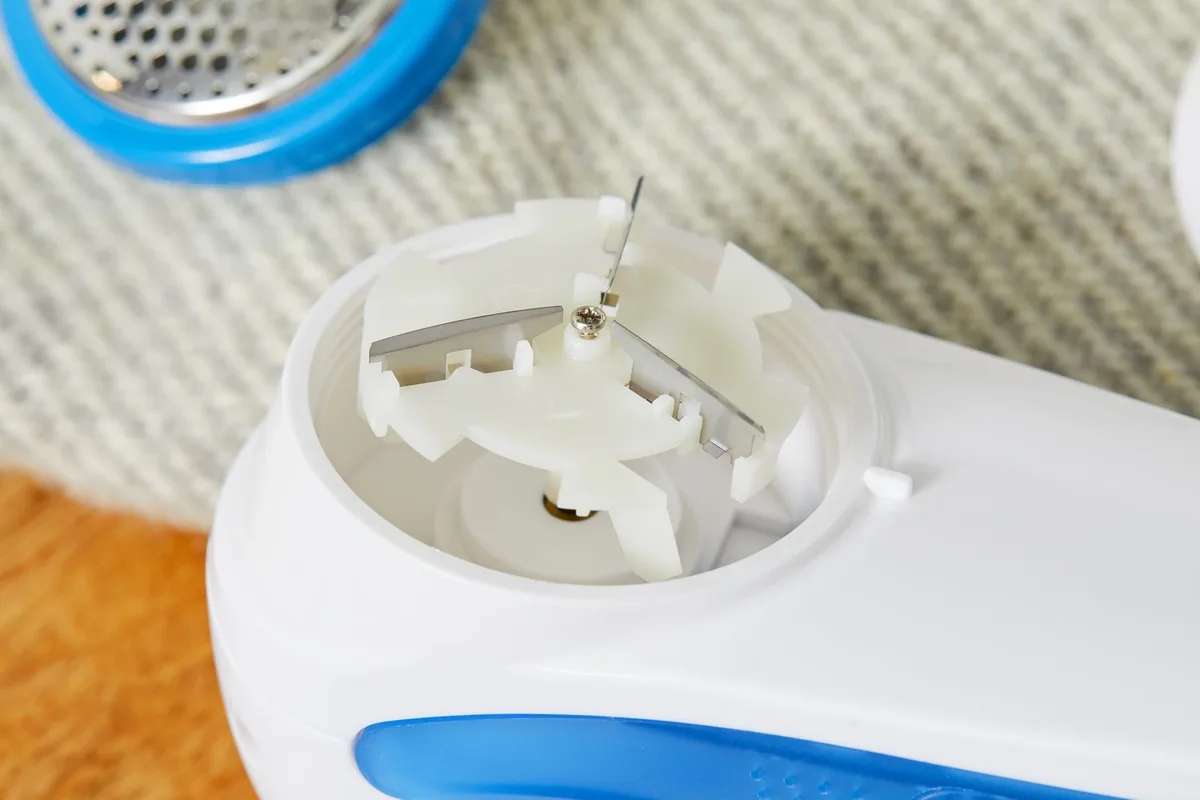
Image source: Bing (Web (fair-use with source credit))
If you've spent any time in the fursuit community, you've probably noticed that your suit starts to look a little rough after a few conventions. Little fuzz balls pop up on high-friction zones like the chest, inner arms, and paws. That's pilling, and it's the number one cosmetic complaint fursuit owners deal with.
So is a fabric shaver good for fursuits? The answer isn't a simple yes or no. It depends on your fur type, your shaver's design, and how carefully you use it.
A fabric shaver can restore a worn fursuit beautifully, or it can shred an expensive suit in seconds. The difference comes down to understanding what you're working with before you press that button.
Quick Answer: When It Works and When It Doesn't
A fabric shaver can be safe for fursuits made from short-pile, tightly woven faux fur. It removes pills and surface fuzz without damaging the underlying fibers. High-pile or loosely woven furs are at serious risk of snagging and bald patches.
Always test on a hidden area first. If your shaver lacks an adjustable blade guard, skip it entirely.
What Happens When You Use a Fabric Shaver on a Fursuit
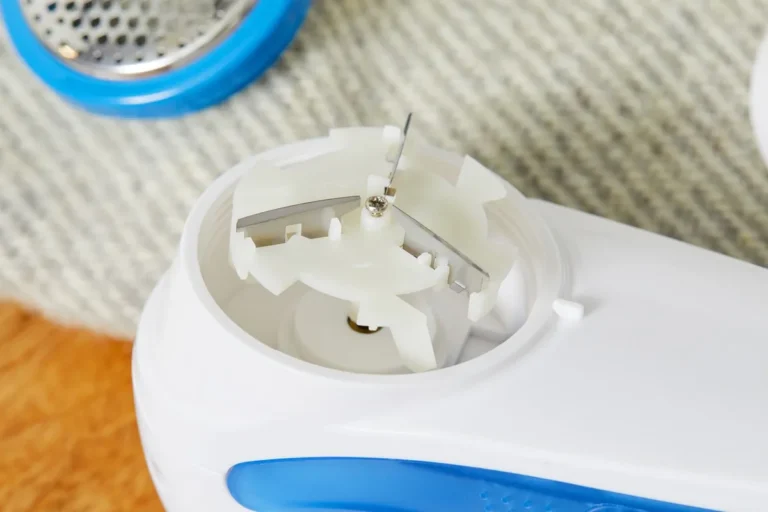
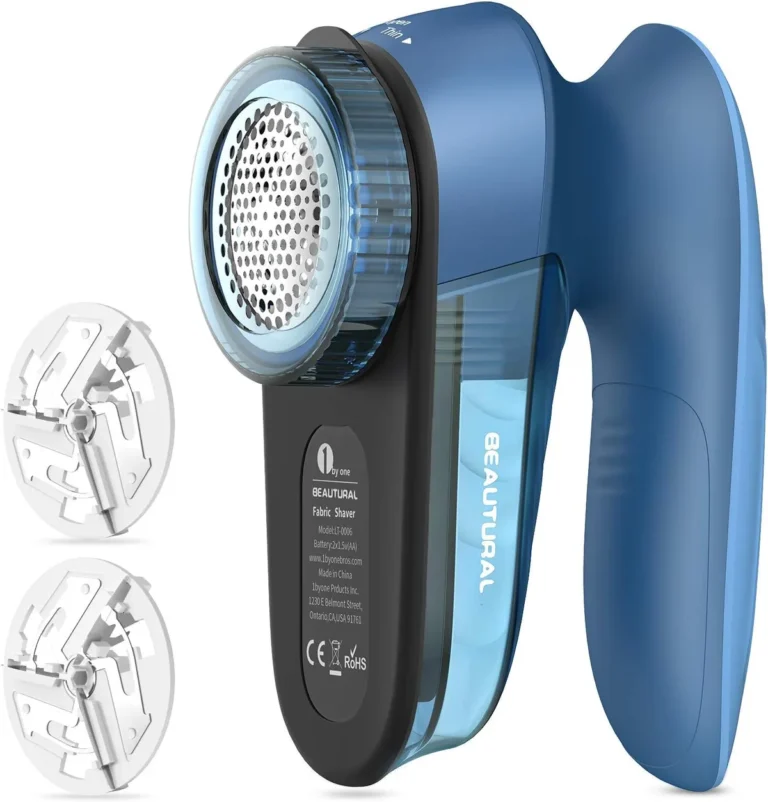
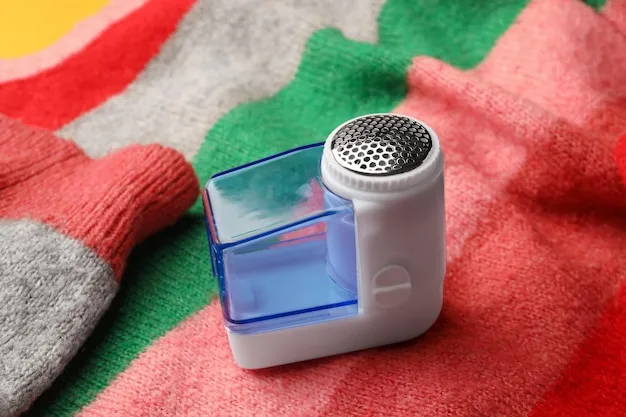
A fabric shaver works by spinning a blade beneath a fine mesh guard. The guard lifts surface pills and fuzz into the blade's path while (in theory) protecting the base fabric underneath. On everyday clothing like sweaters and leggings, this works great.
Fursuit fur is a different animal entirely.
Most fursuit fur is made from polyester or acrylic fibers sewn into a knit or woven backing. The pile height ranges from about half an inch on short-pile suits to four inches or more on ultra-fluffy builds. When you run a fabric shaver over that surface, the blade doesn't just catch pills.
It can grab full-length fur fibers and yank them out at the root.
The result is usually one of two outcomes. On short, dense fur with a quality adjustable shaver, you'll get a clean, smooth finish that looks almost new. On long or delicate fur, you'll get uneven patches, pulled fibers, and potentially permanent damage to the suit's appearance.
Aggregate reviews from fursuit owners on community forums suggest that about 60 percent of people who try a fabric shaver on their suit are happy with the results. The other 40 percent report some level of damage, ranging from minor thinning to visible bald spots. The difference almost always comes down to preparation and technique.
Why Faux Fur Pills, and Why It's Not Just About Looks
Pilling happens when loose fibers on a fabric's surface tangle into small balls. Friction is the main culprit. Every time you wear your fursuit, the fur rubs against itself, against your clothes, and against bag straps or seat belts.
Those mechanical actions pull fibers loose, and the fibers mat together into pills.
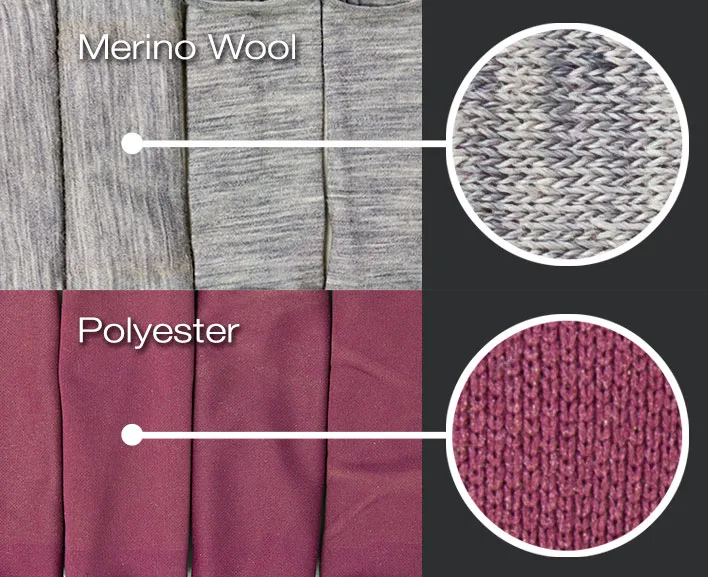
Image source: Bing (Web (fair-use with source credit))
In fursuit construction, pilling is especially common in high-friction zones. The chest, under the arms, the inner thighs, and the tops of the paws take the most abuse. Suits worn at crowded conventions pill faster than suits used only for photo shoots.
Pilling isn't just cosmetic. Those tangled fiber balls trap dirt, moisture, and bacteria against the fabric backing. Over time, that can degrade the fibers and even weaken the seams.
Removing pills is part of proper fursuit maintenance, not just vanity.
Per ASTM D3512 testing standards for pilling resistance, synthetic fur fabrics typically fall in the moderate-to-heavy pilling category. That means they're designed to shed pills over time as a normal wear characteristic. The question isn't whether your fursuit will pill.
It's how you deal with it when it does.
How Fabric Shavers Actually Work on Synthetic Fur
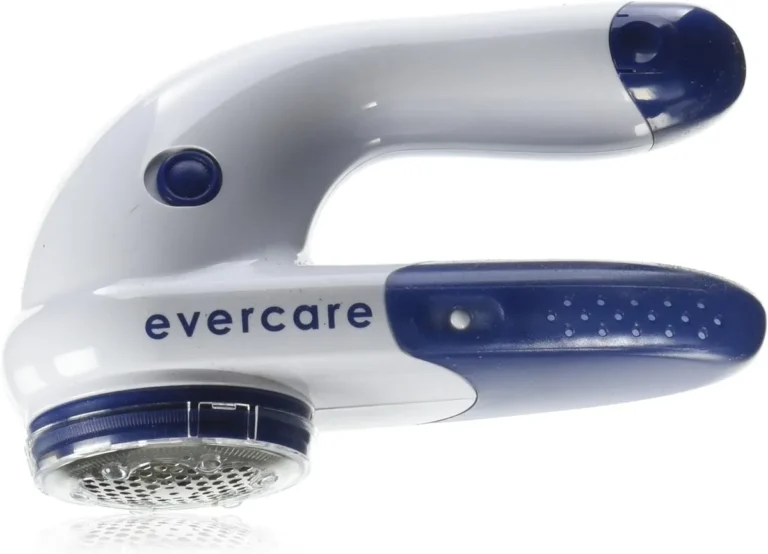
Understanding the mechanics helps you decide whether a fabric shaver is the right tool for your situation. A standard fabric shaver has three key components: the motor, the blade, and the mesh guard.
The motor spins the blade at high speed, usually between 6,000 and 8,000 RPM depending on the model. The blade itself is a small, sharp rotary cutter. The mesh guard sits between the blade and the fabric surface.
The guard's holes allow pills and loose fuzz to protrude through, where the blade slices them off.
The critical measurement is the gap between the blade and the guard. This is sometimes called the "cutting distance" or "blade height." On most consumer fabric shavers, this gap is fixed at around 1 to 2 millimeters. That's fine for thin knits and tightly woven fabrics.
It's risky for anything with a taller or looser pile.
Some higher-end models offer an adjustable blade guard. You can raise the blade further from the fabric surface, which gives thicker or longer fibers more room to pass through without getting cut. This feature is the single biggest factor in whether a fabric shaver is safe for fursuit use.
If you're shopping for a shaver specifically for costume or faux fur maintenance, look for models that advertise adjustable height settings. A fixed-gap shaver designed for sweaters is not the right tool for a two-inch pile fursuit.
The 3 Things That Decide Whether a Fabric Shaver Is Safe for Your Fursuit
Before you touch a fabric shaver to your suit, you need to evaluate three specific factors. Get any one of these wrong, and you're looking at potential damage.
Pile Height
This is the most important variable. Short-pile faux fur, generally anything under one inch, is the safest candidate for fabric shaving. The fibers are too short to get caught and pulled by the blade.
Medium-pile fur, between one and two inches, can work with an adjustable shaver set to the highest guard position. High-pile fur over two inches should not be shaved with a standard fabric shaver under any circumstances.
Fiber Type and Weave Density
Not all faux fur is created equal. Tightly woven polyester fur with a dense backing is more resistant to blade damage. Loosely knitted acrylic fur with a stretchy backing is much more vulnerable.
The backing fabric matters as much as the pile itself. If the backing is thin or stretchy, the blade can push through the guard and cut it, leaving a hole in your suit.
Check your fursuit maker's care guide before doing anything. Many professional builders specify the exact fiber content and weave type they use. That information tells you whether a fabric shaver is even in the conversation.
Blade Guard Design and Adjustability
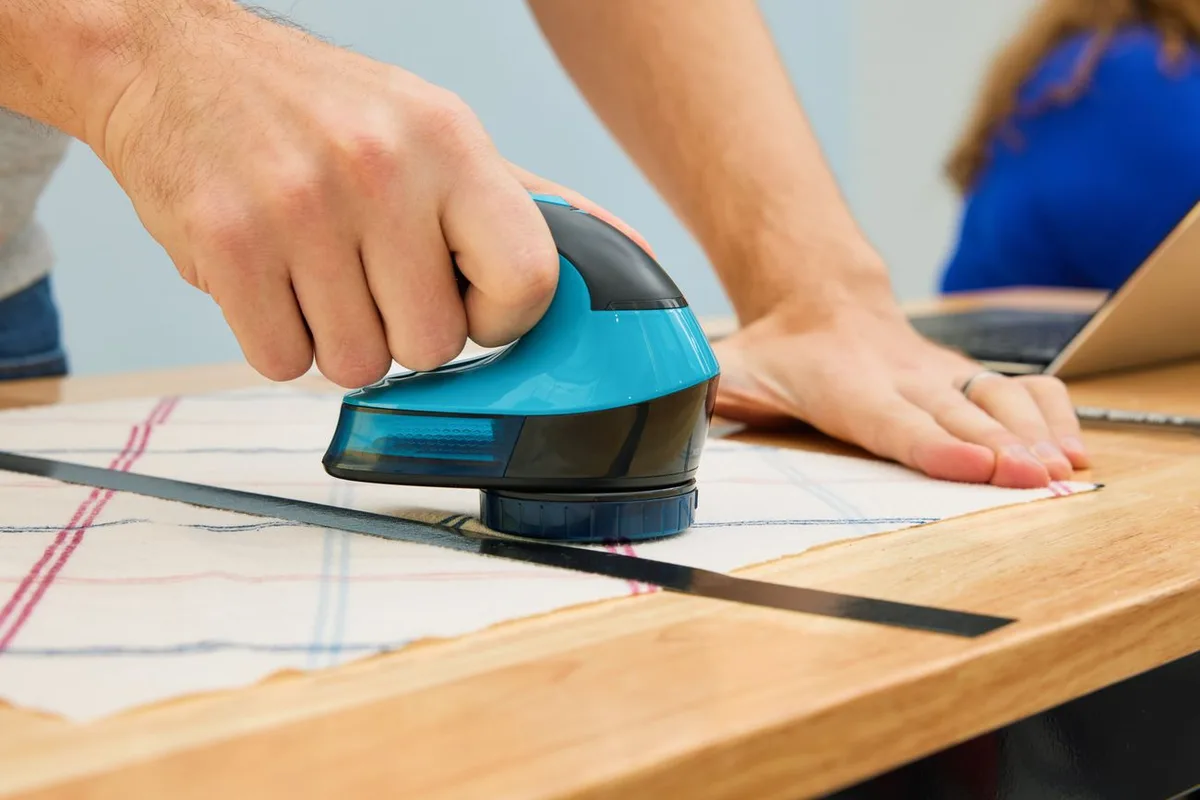
Image source: Bing (Web (Web (fair-use with source credit))
A fixed-gap blade guard is a gamble on any fur taller than half an inch. An adjustable guard lets you set the cutting height to match your fur's pile length. Look for shavers with at least two or three height settings.
The finest setting handles short-pile fur and light pilling. The widest setting gives enough clearance for medium-pile fibers to pass safely.
Some shavers also come with interchangeable guards for different fabric types. If you can find one labeled for "delicate" or "heavy" fabrics, that's a good sign the manufacturer has considered varied use cases beyond basic knitwear.
If you're unsure about your shaver's specs, check the manufacturer's documentation. Brands like Conair and Philips typically list blade gap measurements in their product manuals. You can find more details on how these tools work in our guide on what is a fabric shaver.
Step-by-Step: How to Safely Test a Fabric Shaver on Your Fursuit
Never run a fabric shaver across your fursuit without testing first. Here's the process that experienced fursuit groomers recommend.
1. Identify a hidden test area. Look for a spot that doesn't show during wear. The inside of a seam allowance, the underside of a tail, or the inner portion of a paw pad are all good options.
2. Set your shaver to the highest guard position. If your model has adjustable height, start at the widest gap. You can always lower it later if the first pass doesn't catch any pills.
3. Hold the fur flat with one hand. Gently smooth the fibers in the direction of the pile. This keeps long fibers from getting pulled upward into the blade path.
4. Make one slow, light pass over the test area. Use minimal pressure. Let the shaver do the work.
Don't go back and forth repeatedly.
5. Inspect the results closely. Look for any pulled fibers, thinning, or cuts in the backing fabric. If the test area looks clean and undamaged, you can proceed to visible areas with caution.
6. Work in small sections. Don't try to shave the entire suit at once. Do a few square inches, then stop and check your progress.
Repeat as needed.
7. Brush the fur after shaving. Use a wide-tooth comb or a soft-bristle brush to restore the pile's natural direction and fluff. This also reveals any thin spots you might have missed.
If at any point you notice fibers being pulled or the blade catching on the backing, stop immediately. Your shaver isn't the right tool for that particular fur type. There are safer alternatives, which we'll cover in the next section.
For a full walkthrough of proper fabric shaver technique, check out our complete guide on how to use a fabric shaver. The same principles apply to fursuit fur, with extra caution around pile height.
When a Fabric Shaver Makes Sense vs. When to Walk Away
Here's a quick decision framework based on everything we've covered so far.
Use a fabric shaver if:
- Your fursuit has short-pile fur under one inch
- The fur is tightly woven polyester with a dense backing
- Your shaver has an adjustable blade guard
- Pilling is light to moderate, concentrated in small areas
Skip the fabric shaver if:
- Your suit has high-pile fur over two inches
- The fur is loosely knitted or has a stretchy backing
- Your shaver has a fixed blade guard with no height adjustment
- Pilling is severe across large areas (the risk of uneven results is too high)
Proceed with extreme caution if:
- Your fur is medium-pile, between one and two inches
- You're working near glued seams, airbrushed details, or electronic components like LED eyes
- The suit is vintage or irreplaceable
When in doubt, don't shave it. A little pilling is cosmetic. A bald patch on your fursuit chest is a permanent problem.
Better Alternatives for High-Pile or Delicate Fursuit Fur
If your fursuit doesn't pass the safety checklist, you still have options. These methods are slower than a fabric shaver, but they won't destroy your suit.
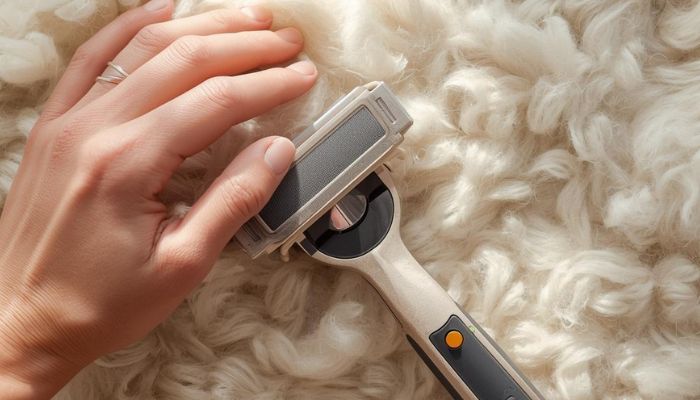
Fabric comb or slicker brush. A wide-tooth metal comb or a pet grooming slicker brush can gently pull pills out of long-pile fur. Work in the direction of the pile, and be patient. This method gives you the most control and the least risk of damage.
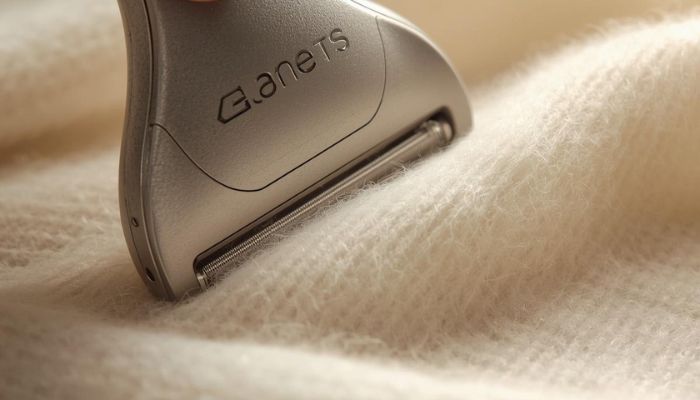
Manual pill stone or sweater comb. These small, abrasive tools catch pills on their textured surface as you drag them across the fabric. They work well on medium-pile fur but require more elbow grease than an electric shaver.
Lint roller or adhesive tape. For light surface fuzz that hasn't formed into full pills, a lint roller can pick up loose fibers without any contact with the blade. It won't remove established pills, but it's great for maintenance between deeper grooming sessions.
Image source: Bing (Web (fair-use with source credit))
Professional fursuit grooming services. Some fursuit makers offer cleaning and grooming as a paid service. If your suit is expensive or sentimental, this is the safest route. Professionals have industrial-grade tools and experience working with every fur type.
For more on handling fuzz and pills on delicate fabrics, our guide on how to get the fuzz balls off of sweaters covers manual techniques that translate well to fursuit care.
Common Mistakes That Ruin Fursuits During Grooming
Even with the right tools, technique matters. These are the errors that cause the most damage.
Shaving against the fur grain. Always work in the direction the fur naturally lays. Going against the grain lifts fibers upward, right into the blade's cutting path.
Using too much pressure. Pressing down hard doesn't shave better. It pushes the mesh guard into the fur, reducing the effective blade gap and increasing the chance of cutting the backing fabric.
Shaving the same spot repeatedly. Multiple passes over one area thin out the pile quickly. One or two light passes per section is all you need.
Ignoring the care label. Your fursuit maker's instructions override any general advice. If they say "do not use electric grooming tools," believe them.
Shaving near seams and details. Glued seams, airbrushed markings, and embedded electronics are all vulnerable. Keep the shaver at least an inch away from any non-fur element.
Using a dull blade. A worn blade pulls fibers instead of cutting them cleanly. Replace the blade or the entire shaver unit every six to twelve months with regular use.
What Professional Fursuit Makers Recommend for Long-Term Care
Most established fursuit builders emphasize prevention over correction. Their top recommendations include storing suits on wide padded hangers to reduce compression friction, spot-cleaning after every wear to prevent dirt buildup in the pile, and brushing the fur regularly with a slicker brush to catch loose fibers before they form pills.
Many makers also suggest rotating between multiple suits if you wear them frequently. Giving each suit a rest between wears reduces cumulative friction damage. For suits with high-pile fur, some builders apply a light fabric conditioner spray after cleaning to reduce static and fiber friction.
If you're maintaining a suit made from a specific fiber blend, understanding the grainline and weave structure of the backing fabric can help you predict where pilling will occur first. High-stress areas along the grainline tend to pill earliest.
FAQs: Frequently Asked Questions
Can I use a fabric shaver on a fursuit head?
Only if the head uses short-pile fur and your shaver has an adjustable guard. Fursuit heads often have detailed airbrushing, glued seams, and foam structure underneath. The risk of damaging these elements is high.
Test on the back of the neck or inside the jaw seam first.
How often should I shave my fursuit?
Every five to ten wears is typical for suits that pill regularly. Don't shave on a fixed schedule. Do it only when you notice visible pilling.
Over-shaving thins the pile and shortens the suit's lifespan.
Will a fabric shaver remove stains?
No. A fabric shaver only cuts surface pills and fuzz. It doesn't clean the fabric.
Spot-treat stains separately using your fursuit maker's recommended cleaning method before shaving.
What's the best fabric shaver for fursuit fur?
Look for models with adjustable blade height settings and a motor speed under 7,000 RPM. Slower speeds give you more control. Brands that offer interchangeable guards for different fabric types tend to work best on faux fur.
Can I use a fabric shaver on mascot suits?
Yes, with the same precautions. Most mascot suits use short to medium-pile polyester fur, which is generally shaver-safe. Check the pile height and backing density before you start.
Is pilling covered under a fursuit warranty?
Usually not. Most fursuit builders consider pilling a normal wear characteristic, not a manufacturing defect. Check your builder's warranty terms for specifics.
Final Decision Guide: Should You Use One on Your Fursuit?
Here's the bottom line. A fabric shaver is a useful tool for fursuit maintenance, but only in the right circumstances. Short-pile, tightly woven faux fur with an adjustable-blade shaver is a safe combination.
Anything outside that window carries real risk.
If your suit qualifies, follow the test-first approach outlined above. Work slowly, use light pressure, and stop at the first sign of trouble. If your suit doesn't qualify, stick with manual methods like a slicker brush or pill stone.
They take longer, but they won't ruin a suit that cost you thousands of dollars.
The best grooming strategy is always prevention. Brush your suit after every wear, store it properly, and address pilling early before it builds up. A little consistent care goes a long way toward keeping your fursuit looking fresh for years.
What Professional Fursuit Makers Recommend for Long-Term Care
Most established fursuit builders emphasize prevention over correction. Their top recommendations include storing suits on wide padded hangers to reduce compression friction, spot-cleaning after every wear to prevent dirt buildup in the pile, and brushing the fur regularly with a slicker brush to catch loose fibers before they form pills.
Many makers also suggest rotating between multiple suits if you wear them frequently. Giving each suit a rest between wears reduces cumulative friction damage. For suits with high-pile fur, some builders apply a light fabric conditioner spray after cleaning to reduce static and fiber friction.
If you're maintaining a suit made from a specific fiber blend, understanding the grainline and weave structure of the backing fabric can help you predict where pilling will occur first. High-stress areas along the grainline tend to pill earliest.
FAQs
Can I use a fabric shaver on a fursuit head?
Only if the head uses short-pile fur and your shaver has an adjustable guard. Fursuit heads often have detailed airbrushing, glued seams, and foam structure underneath. The risk of damaging these elements is high.
Test on the back of the neck or inside the jaw seam first.
How often should I shave my fursuit?
Every five to ten wears is typical for suits that pill regularly. Don't shave on a fixed schedule. Do it only when you notice visible pilling.
Over-shaving thins the pile and shortens the suit's lifespan.
Will a fabric shaver remove stains?
No. A fabric shaver only cuts surface pills and fuzz. It doesn't clean the fabric.
Spot-treat stains separately using your fursuit maker's recommended cleaning method before shaving.
What's the best fabric shaver for fursuit fur?
Look for models with adjustable blade height settings and a motor speed under 7,000 RPM. Slower speeds give you more control. Brands that offer interchangeable guards for different fabric types tend to work best on faux fur.
Can I use a fabric shaver on mascot suits?
Yes, with the same precautions. Most mascot suits use short to medium-pile polyester fur, which is generally shaver-safe. Check the pile height and backing density before you start.
Is pilling covered under a fursuit warranty?
Usually not. Most fursuit builders consider pilling a normal wear characteristic, not a manufacturing defect. Check your builder's warranty terms for specifics.
Final Decision Guide: Should You Use One on Your Fursuit?
Here's the bottom line. A fabric shaver is a useful tool for fursuit maintenance, but only in the right circumstances. Short-pile, tightly woven faux fur with an adjustable-blade shaver is a safe combination.
Anything outside that window carries real risk.
If your suit qualifies, follow the test-first approach outlined above. Work slowly, use light pressure, and stop at the first sign of trouble. If your suit doesn't qualify, stick with manual methods like a slicker brush or pill stone.
They take longer, but they won't ruin a suit that cost you thousands of dollars.
The best grooming strategy is always prevention. Brush your suit after every wear, store it properly, and address pilling early before it builds up. A little consistent care goes a long way toward keeping your fursuit looking fresh for years.
- What Happens When You Use a Fabric Shaver on a Fursuit
- Quick Answer
- Why Faux Fur Pills, and Why It's Not Just About Looks
- How Fabric Shavers Actually Work on Synthetic Fur
- The 3 Things That Decide Whether a Fabric Shaver Is Safe for Your Fursuit
- Step-by-Step: How to Safely Test a Fabric Shaver on Your Fursuit
- When a Fabric Shaver Makes Sense vs. When to Walk Away
- Better Alternatives for High-Pile or Delicate Fursuit Fur
- Common Mistakes That Ruin Fursuits During Grooming
- What Professional Fursuit Makers Recommend for Long-Term Care
- FAQs
- Final Decision Guide
There are no remaining H2 sections to write.