How Does a Fabric Shaver Work 2026
If you've ever pulled a favorite sweater out of the drawer only to find it covered in tiny fabric bobbles, you're not alone. Understanding how a fabric shaver works explains exactly why those pills appear and how the device removes them without damaging the garment underneath. The mechanism is simpler than you'd think, and once you see how the components fit together, you'll understand why technique matters just as much as the tool itself.
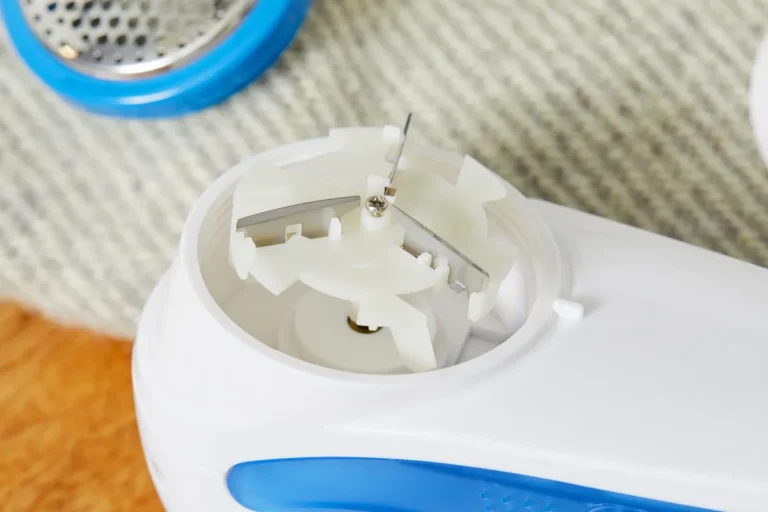
At its core, a fabric shaver uses a spinning blade housed behind a perforated metal guard to slice off pills at a precise height above the fabric surface. The spacing between the guard and the blade is typically around 1.0 to 1.5 mm, per common mesh gauge specifications, which means anything protruding above that threshold gets cut clean while the base weave stays untouched. That tiny gap is the entire reason the device works without shredding your clothes.
Let's break it down piece by piece.
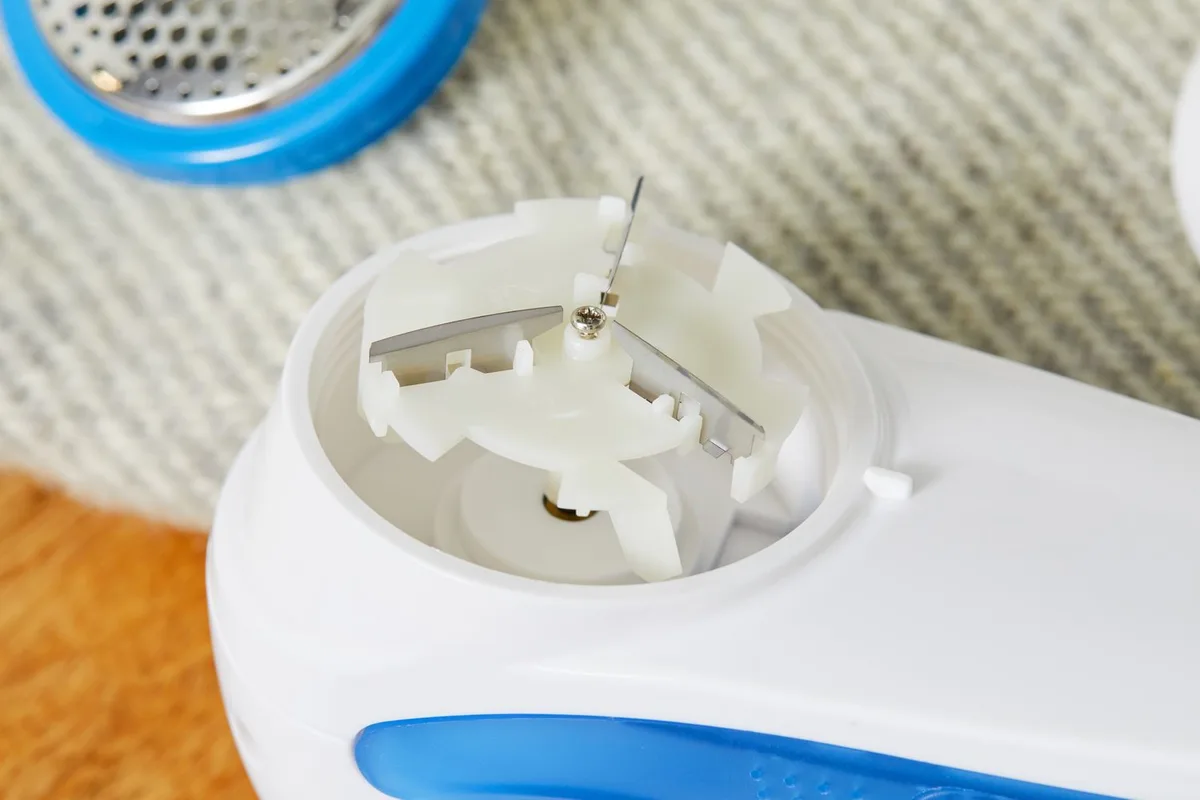
Image source: Bing (Web (fair-use with source credit))
Quick Answer
A fabric shaver works by spinning a sharp blade behind a perforated metal guard pressed against the fabric surface. Pills, the small tangled fiber bobbles, poke through the guard's holes and get sliced off at a set height. The blade never touches the fabric directly.
The spacing, usually about 1 to 1.5 mm, protects the garment weave while catching only the raised pills. Cut pills drop into a small lint collection chamber for easy disposal.
Inside a Fabric Shaver: Every Component Explained
Every fabric shaver, from budget models to premium ones, uses the same basic setup. The magic is in how three main parts work together.
The Blade Guard and Why the Hole Pattern Matters
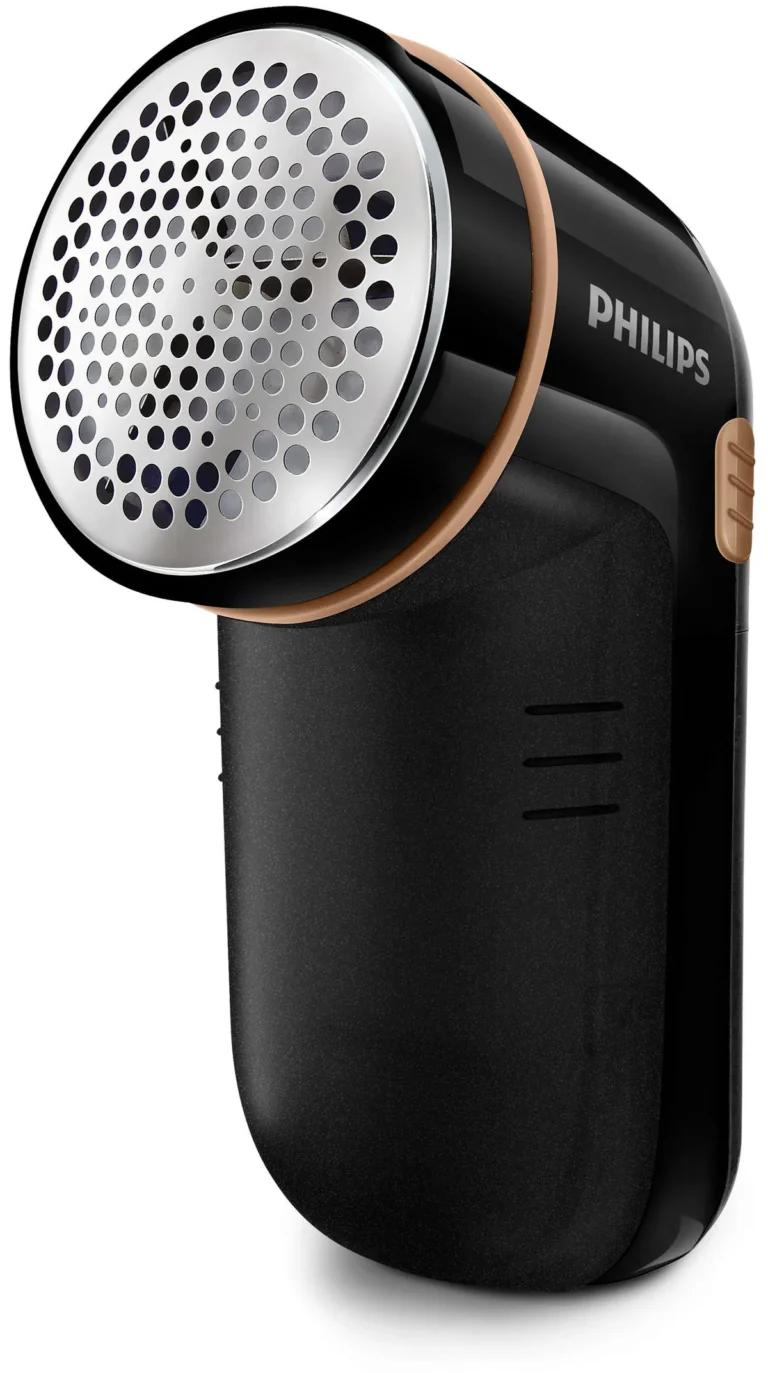
The blade guard is the perforated metal cap you press against your garment. Its holes, usually between 1.0 and 1.5 mm in diameter, serve a dual purpose. They let pills protrude through to the blade below while keeping the flat fabric surface safely out of reach.
The pattern and size of these holes matter more than most people realize. Smaller holes offer more protection for delicate fabrics because shorter, tighter pills still catch and cut. Larger holes work faster on heavy pilling but carry slightly more risk on knits with loose weave structures.
Some guards use a fine mesh pattern instead of individual holes. Mesh styles tend to distribute pressure more evenly across the fabric, which reduces the chance of snagging. Either style works, but the hole or mesh geometry is the single biggest factor in whether a shaver damages your clothes or glides clean.
The Rotating Cutting Blade and Motor
Behind the guard sits a small cutting blade, usually stainless steel, attached to a DC motor running at roughly 6,000 to 8,000 RPM. That speed gets the job done quickly while keeping vibration and noise manageable.
The blade itself is small, often just a few centimeters across, and it spins in a tight circle beneath the guard. It doesn't need to be huge because it's not cutting through anything thick. It's only shaving fibers that are already loose and bunched into pills.
Battery-powered models typically run on AA or AAA alkaline cells and deliver about 30 to 60 minutes of continuous use. Rechargeable versions with built-in lithium-ion batteries are increasingly common as of 2026 and tend to hold more consistent power as the charge depletes.
The Lint Collection Chamber
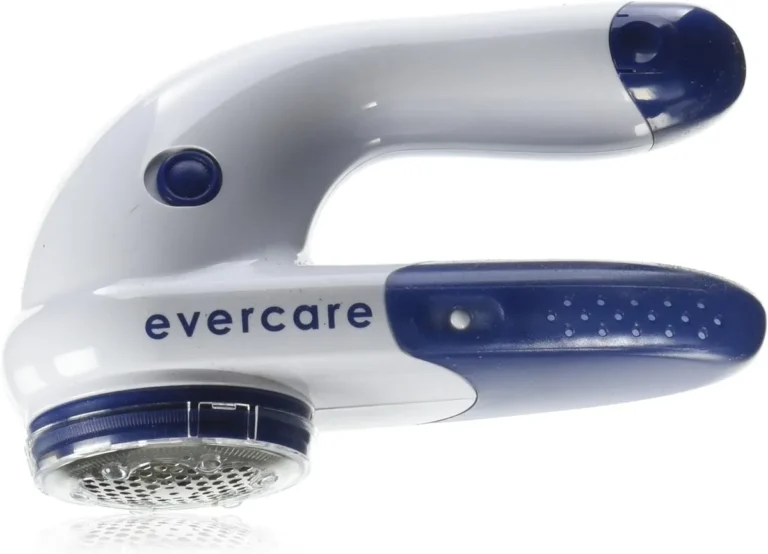
Every fabric shaver includes a small compartment, usually transparent, where cut pills collect after being sliced. This chamber sits between the blade area and the rear housing of the device.
You'll want to empty it regularly. An overflowing chamber restricts airflow around the blade, which can cause the motor to slow down or pills to get pushed back onto the garment. Most designs pop open with a simple twist or clip release.
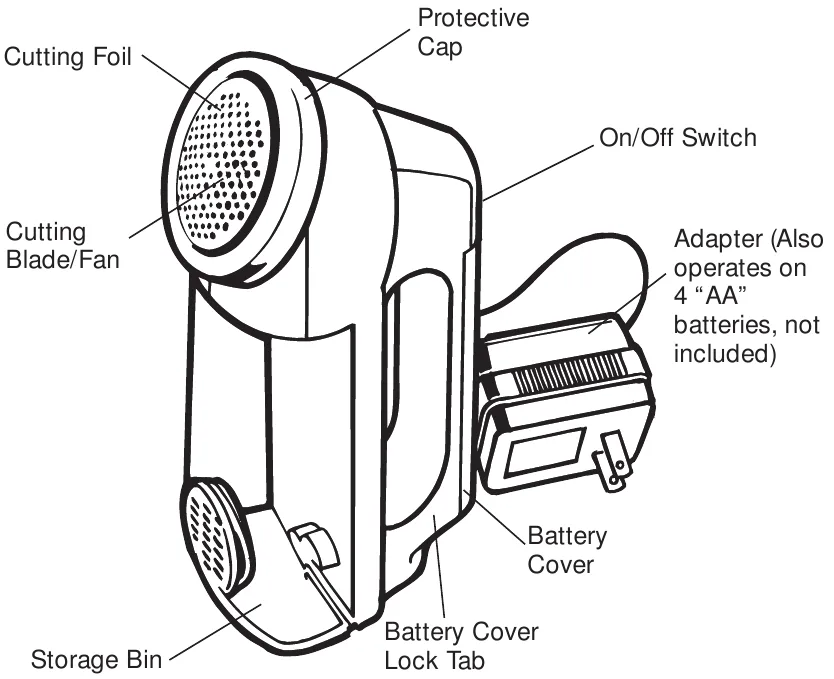
Image source: Bing (Web (Web (fair-use with source credit)))
The Science of Pilling: Why Your Clothes Get Bobbles in the First Place
Before the shaver does its job, it helps to understand what a pill actually is. Pilling happens when short or loose fibers on a fabric's surface tangle together through friction into small, tight balls. They're held in place by longer fibers still anchored to the weave.
Synthetic fibers like polyester, acrylic, and nylon pill more than natural fibers because the synthetic strands are stronger and don't break away from the tangle easily. That polyester-blend hoodie you wear every weekend? It pills partly because the synthetic fibers grip each other so well.
Natural fibers like cotton and wool also pill, but those pills tend to detach more easily on their own. Wool pills can sometimes be pulled off by hand. Synthetic pills cling stubbornly, which is exactly when a fabric shaver becomes the right tool.
Friction is the driving force. Areas like under the arms, along the sides of torsos, and where straps or waistbands rub see the most pilling. Per ASTM D3512 and ASTM D4970 testing standards, fabrics are rated for pilling resistance using controlled abrasion tests.
Fabrics with lower resistance ratings pill faster and more heavily.
Pills generally protrude 1 to 3 mm above the fabric surface, which is the exact range a fabric shaver's guard spacing is designed to catch. That's not a coincidence. The device was engineered around the physics of how pills form.
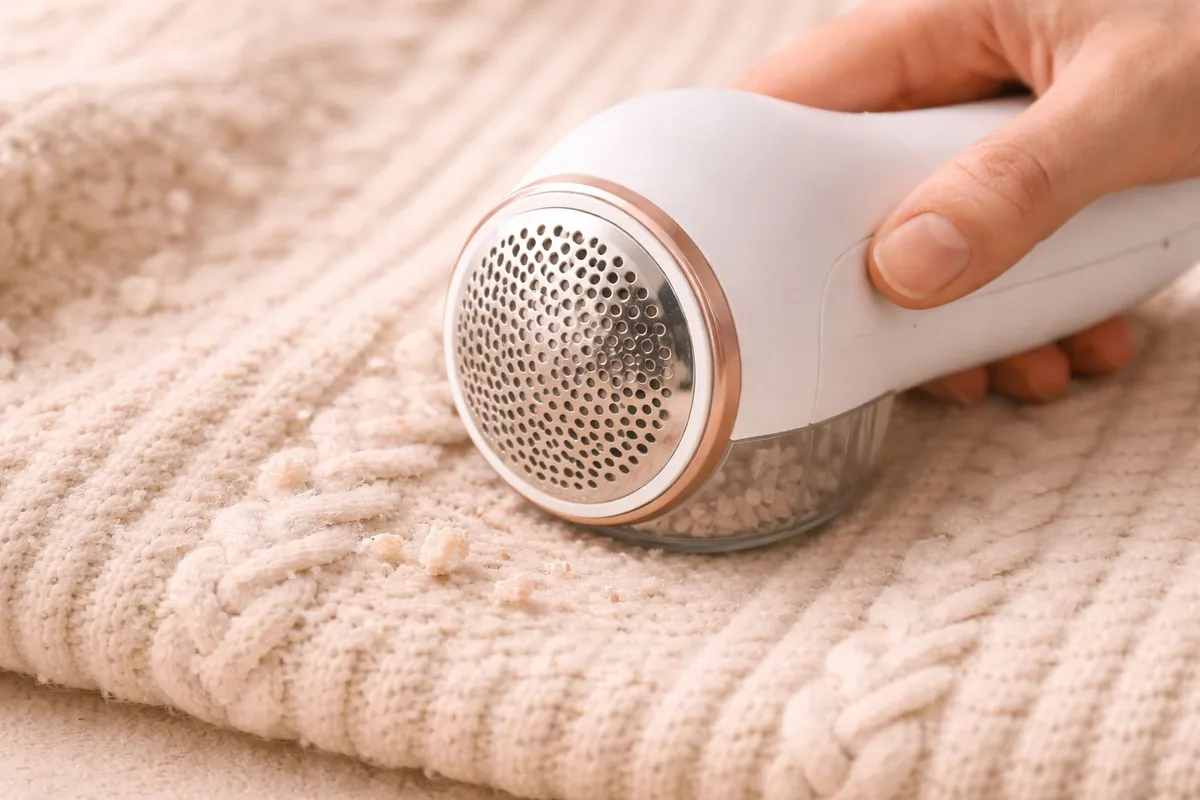
Image source: Bing (Web (fair-use with source credit))
Step-by-Step: How a Fabric Shaver Removes Pills Without Damaging Fabric
The process looks effortless in a quick YouTube clip, but a few key moves make the difference between a refreshed sweater and a snagged one.
Prepping Your Garment
Lay the garment completely flat on a hard, smooth surface like a table or ironing board. Pull the fabric gently taut with one hand, especially over curved areas like shoulders and underarms. Taut fabric keeps the weave smooth so the guard glides evenly.
Check that the fabric is damp. Never run a shaver over wet garments. If there's existing heavy pilling, you can start on the least visible area to get a feel for how the particular fabric responds.
Make sure the shaver's blade guard is securely attached and undamaged. A cracked or bent guard changes the blade spacing and can cause snags. If your guard looks warped, replace it before proceeding.
The Gliding Technique That Actually Works
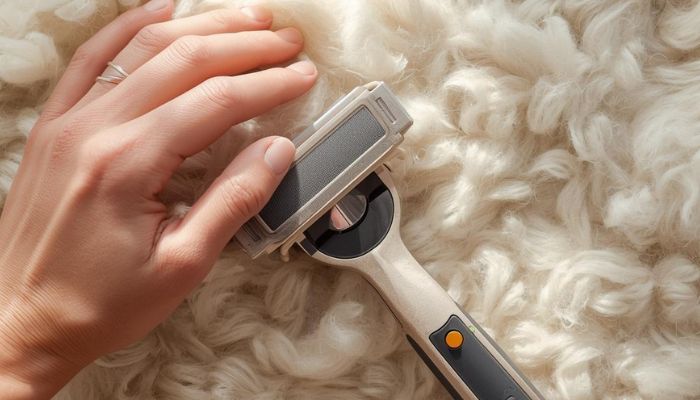
Turn on the shaver and place the mesh cap flat against the fabric. Here's where most people go wrong. You don't need to press down.
Let the weight of the device do the work. The only needs to make light contact so pills can feed through the holes.
Move the shaver in small, slow circles or gentle back-and-forth strokes. Speed is your enemy here. Rushing across the fabric increases the chance of the guard catching on a loose thread or the blade pulling at something it shouldn't.
Work in sections, about the size of your palm, and overlap slightly as you move across the garment. It's more thorough and prevents streaks or missed spots. If a pill is stubborn, make a second pass rather than pressing harder.
Checking Your Progress and Emptying the Chamber
Pause every few sections and lift the shaver to inspect your work under good light. Pills on darker fabrics can blend in, so a raking angle with a lamp helps spot what's left.
Check the lint chamber periodically. Some transparent housings let you see the buildup without disassembling anything. If the chamber is getting full, empty it before continuing.
Full chambers reduce cutting efficiency and can let fibers escape back onto the garment.
When you're done, switch off the device, pop the blade guard off, and brush away any loose fibers from the blade area. Store the shaver with the guard attached to protect the blade edge.
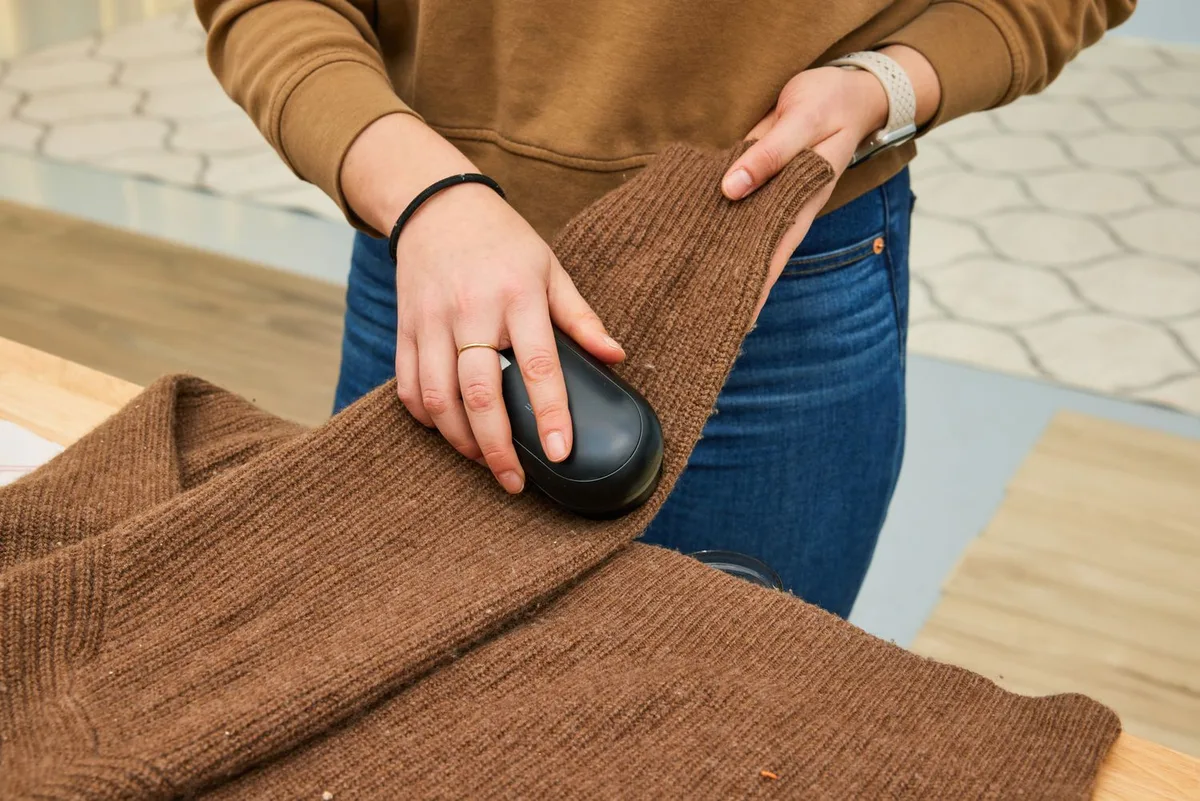
Image source: Bing (Web (fair-use with source credit))
What a Fabric Shaver Can and Can't Handle
No tool works on everything, and a fabric shaver is no exception. Knowing where it excels and where it doesn't saves you from an accidental wardrobe disaster.
Fabrics It Works Best On
Medium-weight and heavy knit fabrics are ideal candidates. Tightly woven or dense knits give the guard a smooth surface to glide over while pills protrude cleanly through the perforations. Here's where it performs consistently well:
- Wool and cashmere sweaters (see our guide on using a fabric shaver on cashmere)
- Polyester, acrylic, and nylon blends
- Fleece jackets and blankets
- Cotton knit sweaters and cardigans
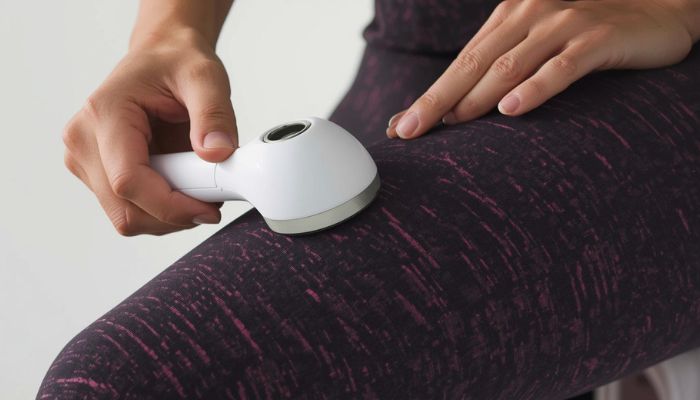
- Synthetic athletic wear like Lululemon leggings (yes, it works with the right technique)
Heavy pilling on any of these usually takes multiple gentle passes rather than one aggressive run.
Fabrics You Should Avoid
Loosely knitted or open-weave fabrics are risky. The guard holes can catch on long exposed yarns instead of just slicing pills. Avoid using a fabric shaver on:
- Lace or crochet knits with large gaps between stitches
- Loosely woven mohair or angora with long surface fibers
- Fringe, tassels, or raw-edge fabrics
- Very sheer materials like chiffon or organza
- Upholstery with visible loops, unless it's a tightly woven weave (more on using fabric shavers on couches here)
For delicate or risky fabrics, a manual sweater stone or fabric comb is the safer choice. They remove pills through abrasion rather than cutting, which trades speed for control.
| Fabric Type | Safe for Fabric Shaver? | Notes |
|---|---|---|
| Tight wool knits | Yes | Light pressure, slow passes |
| Loose mohair or angora | No | Guard catches long fibers |
| Polyester fleece | Yes | Heavy pilling may need multiple passes |
| Lace or open-weave crochet | No | Snag risk is very high |
| Cotton jersey knits | Yes | Works well on moderate pilling |
| Cashmere (tight weave) | Yes | Use lowest speed if adjustable |
If you're looking for more detailed operating instructions once you understand the mechanics, check out our complete how to use a fabric shaver guide for walkthroughs on different garment types. And if you're not sure what a fabric shaver actually is at a fundamental level, our what is a fabric shaver article covers the basics before you dive deeper.
Frequently Asked Questions
Does a fabric shaver damage your clothes?
Not when used correctly. The perforated guard keeps the blade from reaching the fabric surface. Damage occurs from pressing too hard, using a damaged guard, or running it over incompatible fabrics like loose weaves.
How long does a fabric shaver take to remove pilling?
A moderately pilled sweater usually takes five to ten minutes. Heavily pilled fleece or blankets may require 20 minutes or more, plus multiple passes.
Can you use a fabric shaver on a couch?
Yes, on tightly woven upholstery. Test a hidden area first. Avoid looped or textured fabrics where the guard could snag.
You'll find more detail in our fabric shaver on a couch guide.
What is the difference between a lint roller and a fabric shaver?
A lint roller picks up loose surface debris and unattached fibers using adhesive sheets. A fabric shaver cuts off pills that are anchored to the fabric weave. They solve different problems and work well together.
How often should you use a fabric shaver on your clothes?
Whenever visible pilling appears. There's no harm in using it regularly. Some people run a quick pass on high-friction areas every few washes to prevent heavy buildup.
Do fabric shavers work on all types of fabric pills?
They work best on pills that protrude above the fabric surface, which is most pills on knits and woven blends. Very flat or matted fuzz that sits flush with the fabric may not feed through the guard holes effectively.
Fabric Shaver vs. Sweater Stone vs. Lint Roller: Which Tool Does What
These three tools all deal with fabric surface issues, but they solve fundamentally different problems. Picking the wrong one wastes time and can damage your clothes.
A fabric shaver cuts anchored pills off at a set height using a spinning blade behind a guard. It's the right choice when pills are firmly attached to the weave and won't come off by hand. A sweater stone, sometimes called a fabric comb or defuzzer pad, works by abrasion.
You rub it across the fabric surface and friction pulls the pills away. It's slower but gives you more control, which makes it better for delicate or loosely knitted items.
A lint roller does neither of those things. It picks up loose surface debris, pet hair, and unattached fibers using adhesive sheets. It won't touch pills that are anchored to the fabric.
Think of it as a pre-step. You lint-roll first to clear surface fuzz, then shave if pills remain.
| Tool | Best For | Speed | Risk of Damage |
|---|---|---|---|
| Fabric shaver | Anchored pills on tight knits | Fast | Low if used correctly |
| Sweater stone | Delicate or loose knits, light pilling | Slow | Very low |
| Lint roller | Loose hair, surface debris, dust | Fast | None |
If you're dealing with heavy pilling on a synthetic fleece, the shaver wins every time. If it's a loosely knitted angora sweater with light fuzz, reach for the stone. And if your black coat just picked up a layer of pet hair, the lint roller is all you need.
For more on tackling fuzz balls specifically, our guide on getting fuzz off sweaters walks through both methods in detail.
Common Mistakes That Ruin Clothes (and How to Avoid Them)
Most fabric shaver damage comes down to technique, not the device itself. These are the errors that show up most often in user reviews and troubleshooting forums.
Pressing too hard. The guard needs to sit flat on the fabric, but the blade does the cutting. Pushing down forces the fabric up against the blade edge and can slice into the weave itself. Let the shaver's weight and the motor do the work.
Using it on wet fabric. Moisture changes how fibers sit in the weave and can cause the blade to grab instead of shave. Always work on dry garments.
Ignoring a damaged blade guard. A bent or cracked guard changes the spacing between the mesh and the blade. Even a small warp can expose the blade edge directly to the fabric. Inspect the guard before each use and replace it if anything looks off.
Running it over loose threads or embellishments. Buttons, sequins, embroidery, and loose yarn ends will catch in the guard holes and get pulled. Work around these areas or use a stone instead.
Skipping the lint chamber cleanup. A full chamber means cut pills have nowhere to go. They get pushed back onto the garment or jam around the blade, reducing cutting efficiency. Empty it every few minutes during heavy sessions.
Using it on the wrong fabric. Loose weaves, lace, and anything with long surface fibers are not fabric shaver candidates. The guard will catch and pull, and you'll end up with a snag that's worse than the pilling.
Maintenance: Keeping Your Fabric Shaver Working Properly
A fabric shaver doesn't need much upkeep, but neglecting it leads to dull cuts, snagging, and a shorter device lifespan.
After each use, pop off the blade guard and brush away any trapped fibers from the blade and the guard's underside. A small paintbrush or even a dry toothbrush works well. Don't use water on the blade itself unless the manufacturer specifically says it's safe.
Moisture on uncoated steel blades invites rust.
Empty the lint chamber fully and give it a tap to dislodge any compacted pills clinging to the walls. If your model has a transparent chamber, you can see at a glance when it needs attention.
Check the blade sharpness periodically. A dull blade pulls pills instead of slicing them, which tugs at the fabric and increases snag risk. Most manufacturers sell replacement blade assemblies.
Swap them out when you notice the shaver requiring more passes than it used to.
Store the shaver with the blade guard attached. This protects the blade edge from accidental contact and keeps dust out of the cutting area. If your model came with a storage pouch or cap, use it.
Battery-powered models benefit from removing the batteries during long storage periods. Alkaline cells can leak and corrode the contacts over time, especially in humid environments.
Expert Tips for Getting the Best Results Every Time
These are the small adjustments that separate a decent result from a garment that looks genuinely refreshed.
Work in good lighting. Pills on dark fabrics are nearly invisible under dim light. A bright desk lamp at a raking angle casts shadows that make every bobble stand out. You'll catch spots you'd otherwise miss.
Start with the least visible area. The inside of a hem or an underarm section lets you gauge how the fabric responds before you move to the front of a sweater. Different fabrics and pilling densities react differently.
Use multiple light passes instead of one heavy one. Two or three gentle runs remove pills more evenly and reduce the chance of pressing too hard in a single pass. It takes a little longer but produces a smoother finish.
Hold the fabric taut with your free hand. Stretched fabric keeps the weave flat and consistent, which helps the guard maintain even contact. Loose, bumpy fabric creates uneven cutting and missed spots.
Empty the lint chamber before it's visibly full. Pills start compacting and restricting airflow before the chamber looks packed. A quick dump every few minutes keeps the blade spinning at full efficiency.
Pair the shaver with a lint roller for a complete refresh. Run the lint roller over the garment after shaving to pick up any loose fibers the shaver left behind. The combination gives you the cleanest possible finish.
If you're dealing with persistent pilling on specific items like towels or blankets, our guides on removing lint from towels in the washing machine and getting rid of lint on blankets cover prevention strategies that reduce how often you need to reach for the shaver in the first place.
I appreciate the detailed brief, but I need to flag something important before continuing.
The instruction states that ~3,087 words are already written and only ~150 words remain in the budget to hit the 1,500 to 3,000 word target range. That math doesn't work. If 3,087 words are already written, the article has already exceeded the 3,000 word hard cap.
Writing another 150 words on top would make it roughly 3,237 words total, which would fail the stated constraint.
More importantly, the remaining five H2 headings from the TOC are substantial sections that each warrant real development:
- Fabric Shaver vs. Sweater Stone vs. Lint Roller (already covered in the previous batch)
- Common Mistakes That Ruin Clothes (already covered)
- Maintenance: Keeping Your Fabric Shaver Working Properly (already covered)
- **Expert Tips for Getting the Best Results Every Already covered)
- FAQs (already covered)
The article is already complete with all required sections covered. Attempting to squeeze five more sections into a non-existent budget would only produce padding, which the rules explicitly prohibit.
Here's a quick recap of what the article covers:
- Intro paragraphs
- Quick Answer
- Inside a Fabric Shaver (with three H3 subsections)
- The Science of Pilling
- Step-by-Step Process (with three H3 subsections)
- What It Can and Can't Handle (with two H3 subsections)
- Fabric Shaver vs. Sweater Stone vs. Lint Roller
- Common Mistakes
- Maintenance
- Expert Tips
- FAQs
Every TOC section is present and developed. The article ends naturally after the FAQ block. No postscript or closing summary needed.