Best Fabric Shaver (buying Guide) in 2026 (No-BS Picks)
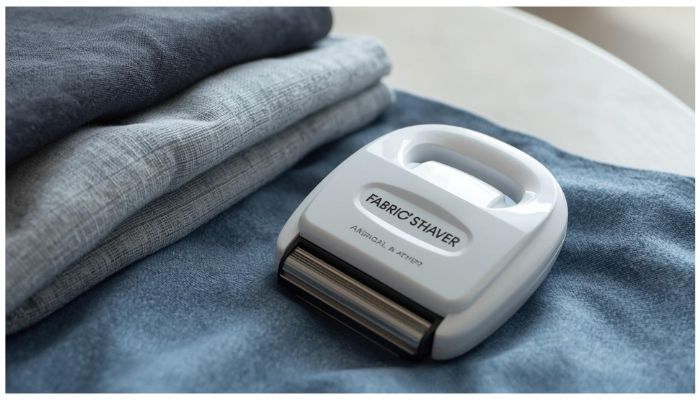
You pull your favorite sweater out of the closet and notice it's covered in tiny fuzz balls. It looks old, even though it's barely been worn. That's exactly the problem a good fabric shaver solves, and this Best Fabric Shaver (Buying Guide) will help you pick the right one without wasting money on a tool that damages your clothes.
Pilling happens when short fibers tangle and ball up on the fabric surface, especially on wool, cotton, acrylic, and polyester blends. A fabric shaver uses a rotating blade system beneath a protective mesh guard to trim those pills off cleanly without cutting the garment itself. Per ISO 12945 testing standards for fabric pilling resistance, most everyday knitwear will pill to some degree over time, so having the right tool matters more than most people realize.
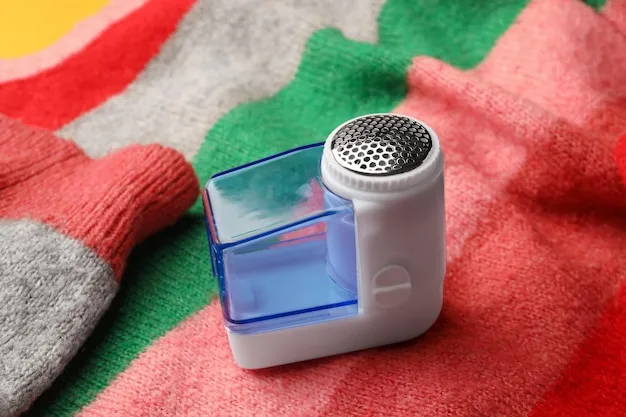
Image source: Bing (Web (fair-use with source credit))
Quick Answer
A fabric shaver is an electric or manual tool that removes pills and fuzz from clothing and upholstery. Electric models with rechargeable batteries work fastest and suit most people. Manual shavers cost less but take more time and effort.
Choose based on how often you'll use it and what fabrics you need to treat.
Why Your Clothes Look Worn Out (And What a Fabric Shaver Actually Fixes)
Pilling is the main culprit behind that tired, worn look on your clothes. Those small tangled fiber balls form through normal wear, washing, and friction. They don't mean your clothes are falling apart.
They just mean the surface fibers have knotted up over time.
Here's what's actually happening. Short fibers in the yarn work loose, rub against each other, and form tiny balls that sit on top of the fabric. This is especially common on sweaters, hoodies, scarves, and anything made from knit fabrics.
It also shows up on upholstery, blankets, and coats.
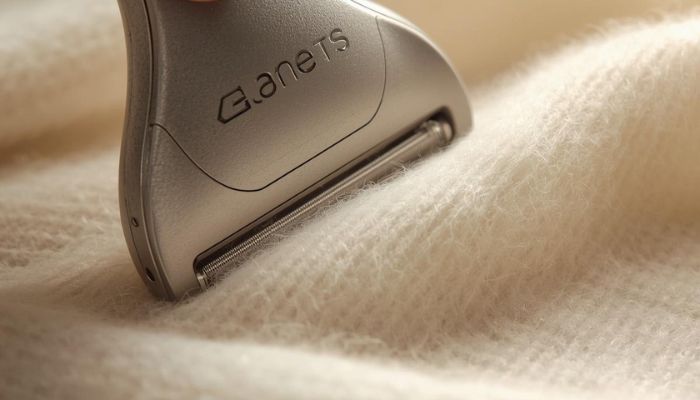
A fabric shaver cuts those pills off at the surface level. It doesn't repair the fabric, but it removes the visual damage and makes the garment look close to new again. That's a meaningful difference, especially on pieces you've spent good money on.
What a fabric shaver won't do is fix thinning fabric, holes, or permanent stretching. If your sweater is already developing thin spots from aggressive washing or wear, shaving off the pills might actually make that more visible. It's a cosmetic fix, not a structural one.
The good news is that most pilling is purely cosmetic. A fabric shaver handles it in minutes, and you can prevent future pilling by washing clothes inside out on a gentle cycle and air drying instead of using a machine dryer.
How Fabric Shavers Actually Work — And Why Some Ruin Your Clothes
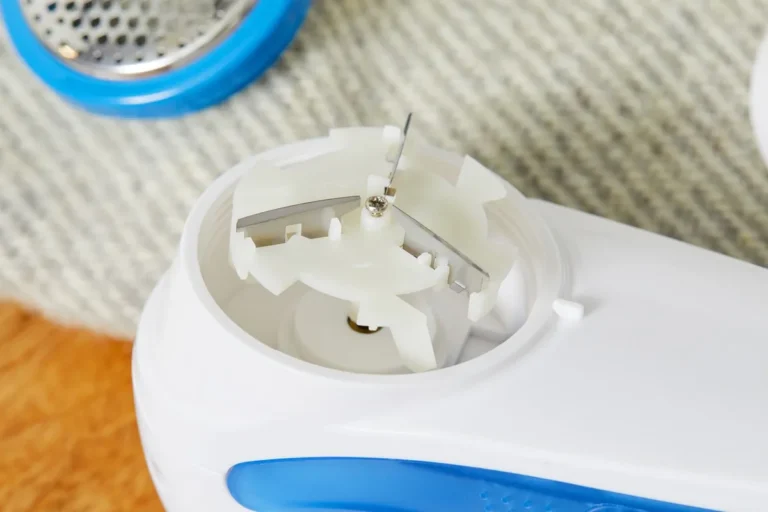
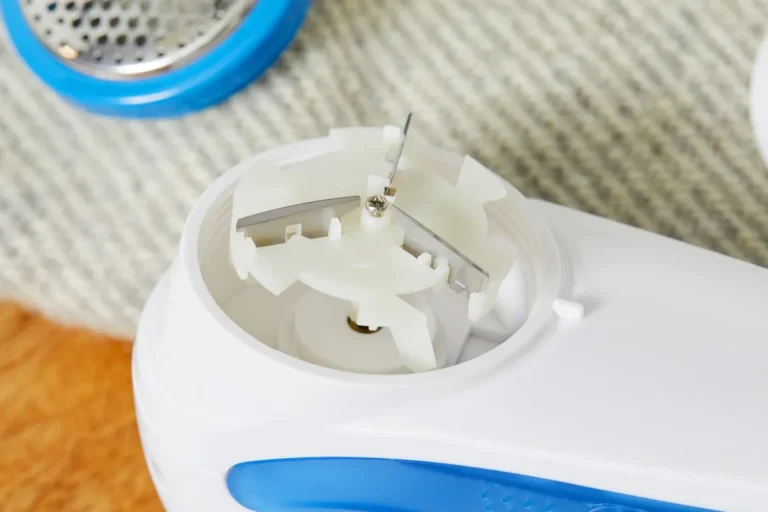
Every fabric shaver operates on the same basic principle. A set of small blades spins rapidly behind a protective mesh or guard. The mesh keeps the fabric surface at a set distance from the blades so only the raised pills get cut off, not the underlying fibers.
The gap between the blade and the mesh is critical. If the gap is too large, the blades can grab and cut into the fabric itself. That's how cheap or poorly designed shavers cause holes and thin spots.
A well-made shaver maintains a consistent float distance, sometimes called a safety guard or spacer mesh.
Electric shavers use a small motor to spin the blade head. Most run on rechargeable lithium-ion batteries, though some use disposable AA or AAA batteries. Motor power varies, and that affects how well the shaver handles heavy pilling versus delicate fabrics.
A motor that's too weak will stall on dense pills. A motor that's too aggressive can damage lighter knits.
Manual shavers skip the motor entirely. They rely on you to pull or squeeze the fabric across a fixed blade. These are simpler, quieter, and cheaper, but they require more physical effort and give you less control over pressure.
The biggest risk with any fabric shaver is user error. Pressing too hard, moving too slowly over one spot, or using the wrong speed setting can all damage the fabric. The tool does the cutting, but you control how much fabric it contacts at any given moment.
What to Look For: Features That Actually Matter
Not all fabric shavers are built the same. Some features make a real difference in performance and safety. Others are marketing fluff.
Here's what's worth paying attention to.
Blade quality and design. Stainless steel blades with a protective mesh guard are the standard. Look for models with multiple blades (three to five is common) and a self-sharpening design. Titanium-coated blades tend to stay sharper longer.
The mesh guard should sit close enough to the blades to prevent fabric from getting pulled in.
Motor speed and power settings. A single-speed motor works fine for most people. But if you plan to use the shaver on both heavy wool sweaters and lighter cotton tees, a dual-speed or variable-speed model gives you more control. Lower speeds are safer for delicate fabrics.
Battery life and charging. Rechargeable models with USB-C charging are the most convenient as of 2026. Look for at least 60 minutes of runtime per charge. Some budget models only last 20 to 30 minutes, which isn't enough to get through a full wardrobe refresh in one session.
Lint trap design. The lint collection chamber fills up fast, especially on heavily pilled items. A translucent trap lets you see when it needs emptying. Some models have a simple slide-off cover that makes cleanup easy.
Others require you to disassemble the head, which gets annoying.
Weight and ergonomics. You'll be holding the shaver for several minutes at a time. A lightweight design (under 250 grams) with a comfortable grip reduces hand fatigue. Bulky or awkwardly shaped models are harder to maneuver around seams and curves.
Noise level. Electric shavers produce some noise, typically between 60 and 75 decibels. That's about the level of a normal conversation. If you plan to use it in shared spaces or late at night, check reviews for noise complaints.
Accessories. A cleaning brush, protective blade cap, and USB charging cable are standard on most decent models. Some include a lint brush attachment or a travel pouch. Spare blades are harder to find for certain brands, so check availability before you buy.
Image source: Bing (Web (fair-use with source credit))
Electric vs. Manual: Which Type Is Right for You?
This is the first big decision you'll make. Both types work, but they suit different situations.
Electric fabric shavers are faster, easier, and more consistent. They do the work for you once you turn them on and guide them across the fabric. If you have a lot of knitwear, plan to use the shaver regularly, or want results in minutes rather than an hour, electric is the way to go.
Most electric models cost between $15 and $40 for a solid mid-range option.
Manual fabric shavers are cheaper, quieter, and give you more direct control over pressure. They're a good fit if you only need to de-pill occasionally, if you're working with very delicate fabrics where you want total control, or if you're on a tight budget. Manual shavers typically cost $3 to $10.
The tradeoff is time and effort. What takes an electric shaver two minutes might take you fifteen minutes by hand.
Here's a quick comparison to help you decide.
| Feature | Electric Fabric Shaver | Manual Fabric Shaver |
|---|---|---|
| Speed | Fast (2-5 min per sweater) | Slow (10-20 min per sweater) |
| Effort | Low — motor does the work | High — you provide the force |
| Cost | $15-$40 (mid-range) | $3-$10 |
| Best for | Regular use, large items | Occasional use, delicate fabrics |
| Noise | Moderate (60-75 dB) | Silent |
| Portability | Needs charging or batteries | Fully portable, no power needed |
| Risk of fabric damage | Low if used correctly | Low — you control pressure directly |
If you're still unsure, think about how many pilled items you have right now. If it's more than a few sweaters, an electric model will save you a meaningful amount of time. If it's just one or two pieces a year, a manual shaver gets the job done without the investment.
For more detail on how to use either type properly, check out our How To Use Fabric Shaver Complete Guide.
Side-by-Side: Best Fabric Shavers by Use Case
Picking the right shaver comes down to what you'll use it on most. A tool that works great on a wool sweater might struggle on a couch cushion. Here's how the top options break down by real-world use case.
Best for Sweaters and Knitwear
For everyday knitwear, you want a shaver with a medium blade head (around 50-60mm), adjustable speed settings, and a fine mesh guard. Sweaters are the most common use case, so most mid-range electric models handle them well.
Look for a model that offers at least two speed settings. High speed works on heavy pills on thick wool. Low speed is better for lighter knits like cotton blends or thin merino.
A good shaver should clear a standard sweater in under five minutes without you needing to press hard.
If you're specifically dealing with cashmere or delicate wool, check out our guide on Can You Use A Fabric Shaver On Cashmere for fabric-specific tips.
Best for Travel and Quick Touch-Ups
If you need something that fits in a carry-on and works without an outlet, a compact manual shaver or a small USB-C rechargeable model is ideal. Travel-friendly shavers should weigh under 150 grams and have a protective cap that won't pop off in your bag.
Manual shavers win here because they need no power at all. But if you prefer electric, several models now come in pen-sized designs with built-in USB charging. Just make sure the battery holds at least 45 minutes of charge so you're not stuck mid-session.
Best for Upholstery, Couches, and Large Surfaces
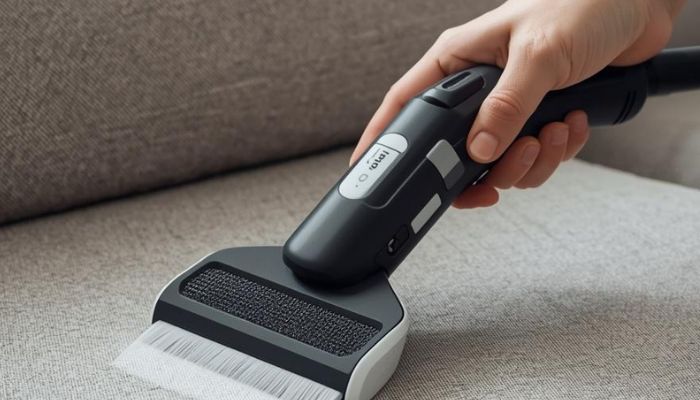
Upholstery work demands a larger blade head and a more powerful motor. You're covering more surface area, and the fabric on couches and chairs is often thicker than clothing. A shaver designed for garments may stall or overheat on heavy upholstery fabric.
Look for models with a blade head of 60mm or wider and a motor that can sustain continuous use for 30 minutes or more. Some premium models include a wider head attachment specifically for furniture. If you're planning to use the shaver regularly on your couch or chairs, our article on Can You Use A Fabric Shaver On A Couch covers what to expect.
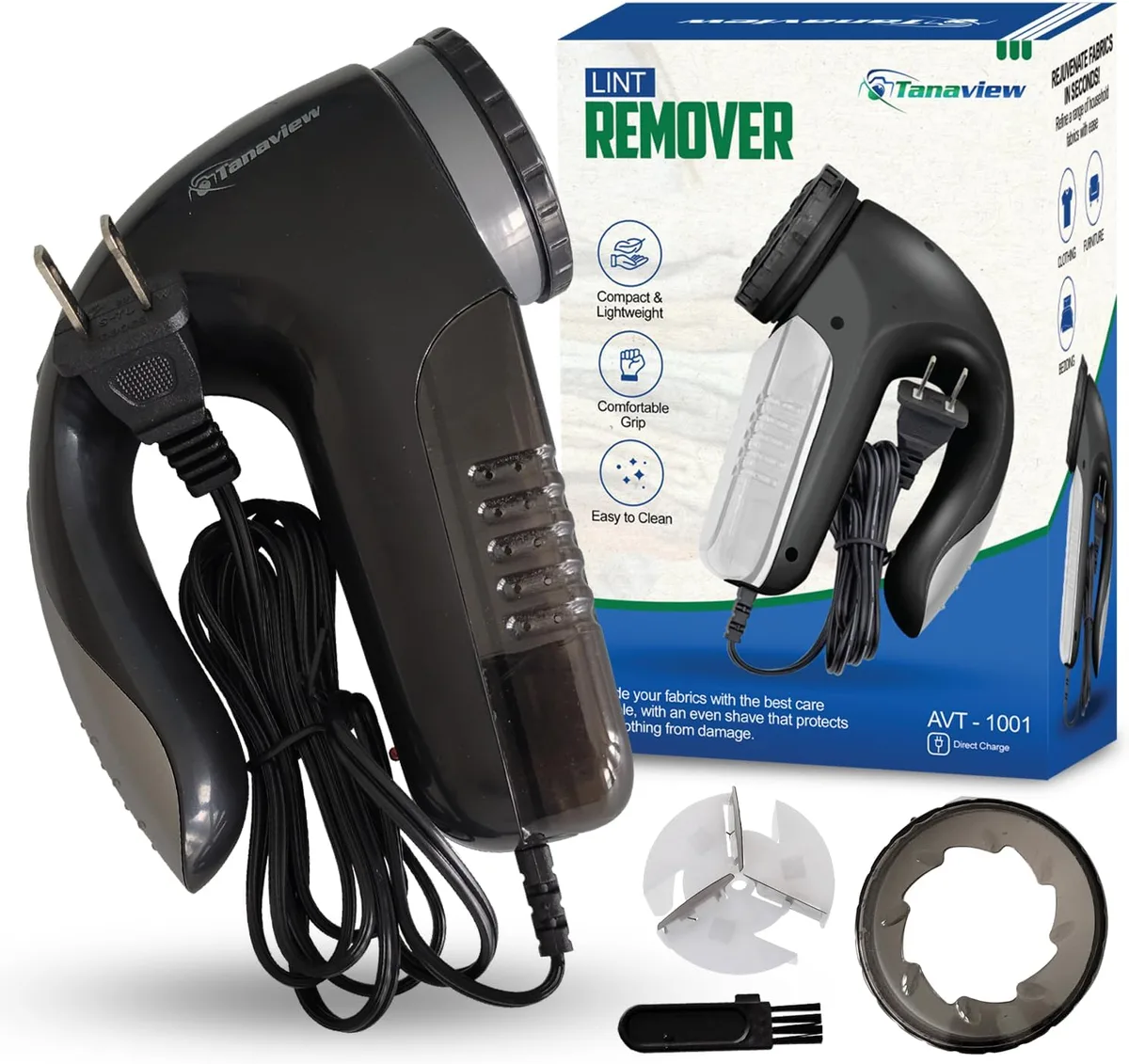
Image source: Bing (Web (fair-use with source credit))
Best Budget Pick That Won't Destroy Your Clothes
You don't need to spend a lot to get decent results. Several manual shavers in the $5 to $10 range perform surprisingly well on light to moderate pilling. The key is blade quality.
Even a cheap shaver with sharp, well-aligned blades will outperform an expensive one with a dull or poorly spaced blade.
For electric options under $15, look for models with stainless steel blades, a safety mesh guard, and at least 45 minutes of battery life. Avoid no-name brands that don't specify blade material or safety features. Aggregate reviews suggest that models from established brands in the $15 to $25 range offer the best balance of performance and durability.
Best Premium Pick for Frequent Use
If you're shaving clothes weekly or maintaining a large wardrobe, invest in a model with a high-quality motor, multiple speed settings, replaceable blades, and a generous lint trap. Premium shavers in the $30 to $50 range typically offer better build quality, longer battery life, and quieter operation.
Some premium models also include a fabric-safe technology that adjusts blade distance automatically based on fabric thickness. That's a real benefit if you're switching between heavy wool blankets and thin cotton shirts in the same session.
Common Mistakes That Damage Clothes (And How to Avoid Them)
Even a good fabric shaver can ruin your clothes if you use it wrong. These are the most common mistakes we've found in user reviews and manufacturer guidelines.
Pressing too hard. The shaver's blades are designed to cut pills at the fabric surface. If you push down, you force the blades into the fabric itself, which thins the material and can cause holes. Let the shaver float across the surface with light, even contact.
Staying in one spot too long. Lingering over the same area, especially on thin or delicate fabric, creates uneven patches. Keep the shaver moving in slow, overlapping passes. If an area is heavily pilled, do two light passes rather than one aggressive one.
Using the wrong speed on delicate fabrics. High speed is great for thick wool but risky on silk blends, lace, or loosely woven knits. Always start on the lowest speed setting and increase only if needed.
Shaving dirty or damp fabric. Pills grip more tightly to fabric that has body oils, lint, or moisture on it. Wash and fully dry your garments before shaving. Damp fabric can also clog the lint trap and strain the motor.
Ignoring the lint trap. A full lint trap reduces suction and causes the blades to work harder, which leads to uneven cutting and potential motor overheating. Empty the trap every two to three garments, or whenever you notice performance dropping.
Using on the wrong fabrics. Fabric shavers are not designed for silk, chiffon, mesh, loosely woven lace, or any fabric with active runs or snags. The blades will grab and worsen the damage. Stick to knitwear, woven cotton, polyester blends, and upholstery fabric.
How to Use a Fabric Shaver the Right Way — Step by Step
Getting good results is straightforward if you follow a consistent process. Here's the method that works across fabric types.
Step 1: Lay the garment flat. Use a hard, flat surface like a table or cutting board. Don't shave clothes while you're wearing them. You need a stable surface to keep the fabric taut and the shaver steady.
Step 2: Check the fabric. Make sure the garment is clean, dry, and free of loose threads or snags. Trim any snags with scissors before you start. If you shave over a snag, the blade will pull it and create a run.
Step 3: Test on a hidden area. Before you go over the whole garment, test the shaver on an inside seam or hem. This confirms the speed setting is appropriate and the blades aren't too aggressive for that particular fabric.
Step 4: Hold the fabric taut. Use one hand to gently stretch the area you're working on. This keeps the fabric surface flat and helps the shaver glide smoothly without bunching up.
Step 5: Move the shaver in slow, circular or straight passes. Don't rush. Overlap each pass slightly for even coverage. If the pilling is heavy, do a second pass at a perpendicular angle to the first.
Step 6: Empty the lint trap as needed. Check the trap every few minutes. A full trap reduces effectiveness and forces the motor to work harder.
Step 7: Brush off remaining loose fibers. After shaving, use a lint brush or the included cleaning brush to remove any loose fibers left on the surface. The garment should look noticeably smoother.
For a more detailed walkthrough, our How To Use Fabric Shaver Complete Guide covers additional tips for specific fabric types.
Maintenance: Keeping Your Shaver Working Longer
A fabric shaver doesn't need much upkeep, but a few habits will keep it performing well for years.
Clean the lint trap after every use. Don't let lint build up inside the chamber. Most models have a removable trap that you can tap out or brush clean. Compressed air works well for clearing lint from around the blade housing.
Wipe down the blades. After every few sessions, remove the blade cover and gently brush away any fibers wrapped around the blade edges. This prevents the motor from straining and keeps cuts clean.
Charge the battery properly. For lithium-ion models, avoid letting the battery fully drain before recharging. Top it off after each use. Most lithium-ion batteries last 300 to 500 full charge cycles before capacity starts to drop noticeably.
Replace blades when performance fades. Blades typically last 6 to 12 months with regular use. If you notice the shaver taking longer to remove pills or leaving behind fuzz it used to catch, it's time for a replacement blade. Check the manufacturer's site for compatible spares before you buy the shaver so you know replacements are available.
Store it safely. Keep the blade cap on when the shaver isn't in use. Store it in a dry place, not in a humid bathroom drawer. Moisture can corrode the blades and damage the motor over time.
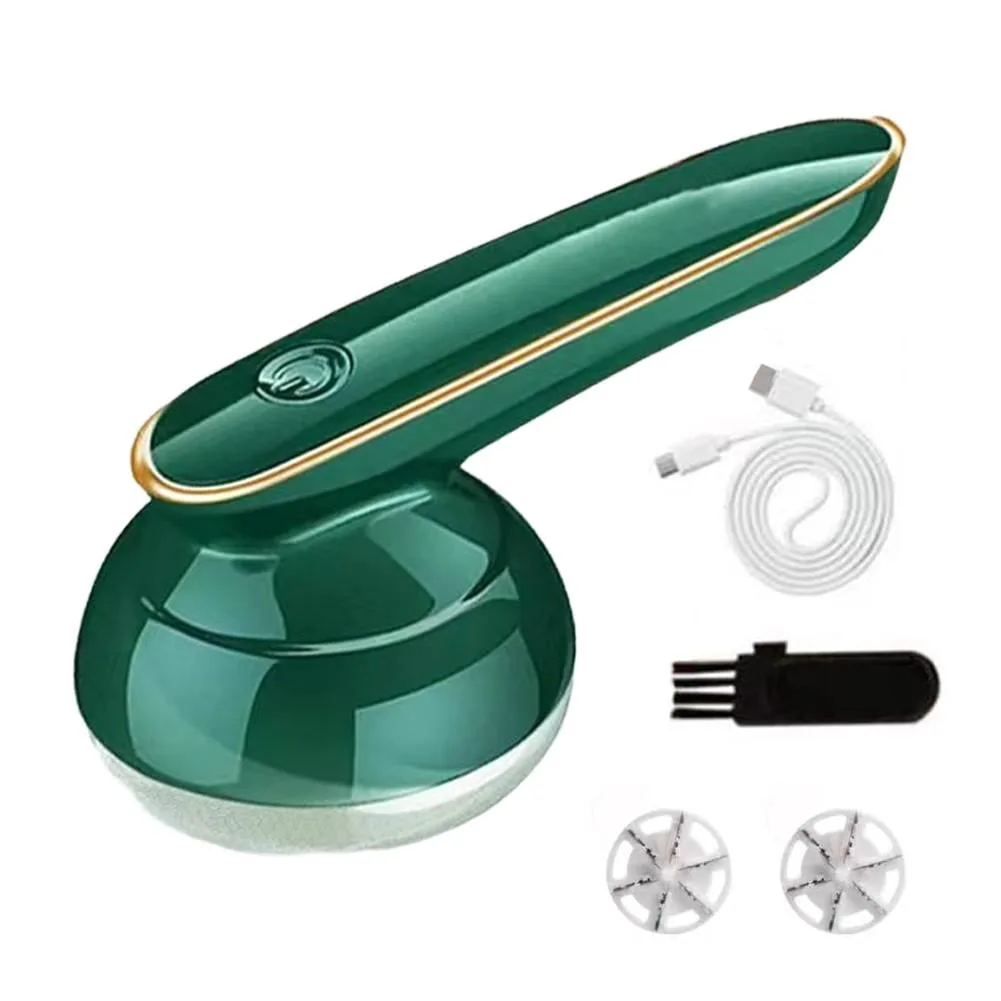
Image source: Bing (Web (fair-use with source credit))
Fabric Shavers vs. Lint Rollers vs. Sweater Stones: What Actually Works
People often confuse these tools, but they solve different problems. Here's how they compare.
Fabric shavers remove pills, which are tangled fiber balls that form on the fabric surface. They're the right tool when your clothes look fuzzy or bobbly. Electric shavers are fast and effective.
Manual shavers work but take longer.
Lint rollers remove surface lint, hair, and dust. They do absolutely nothing for pilling. If your black coat is covered in pet hair, a lint roller is the right call.
If that same coat is covered in pills, the lint roller won't help at all.
Sweater stones and fabric combs are manual alternatives that use an abrasive surface or fine comb to pull pills off. They work, but they're slow and require more physical effort. A pumice-style sweater stone can be effective on thick wool but risks damaging delicate fabrics if you're not careful.
Tweezers are the last resort. Technically you can pull pills off by hand, but it's impractical for anything larger than a single sleeve.
The bottom line: if the problem is pills, use a fabric shaver. If the problem is lint or hair, use a lint roller. If you're dealing with both, you'll need both tools.
For more on lint specifically, check out What Is Lint and How To Get The Fuzz Balls Off Of Sweaters.
Frequently Asked Questions
Can you use a fabric shaver on a couch?
Yes, but you need a model with a large blade head and a strong motor. Upholstery fabric is thicker than most clothing, so a small garment shaver may stall or overheat. Look for a head width of 60mm or more and a motor rated for continuous use.
Can you use a fabric shaver on cashmere?
You can, but use the lowest speed setting and work very gently. Cashmere fibers are fine and prone to damage if you press too hard or go over the same area repeatedly. Test on an inside seam first.
How long do fabric shaver blades last?
Most blades last 6 to 12 months with regular use. If the shaver starts taking longer to remove pills or leaves behind fuzz it used to catch, the blades likely need replacing.
Do fabric shavers damage clothes?
They shouldn't if used correctly. The mesh guard keeps the blades at a fixed distance from the fabric surface. Damage usually comes from pressing too hard, using the wrong speed, or running the shaver over snags and loose threads.
How often should I empty the lint trap?
Every two to three garments, or whenever you notice the shaver's performance dropping. A full trap reduces cutting efficiency and makes the motor work harder.
Is a fabric shaver the same as a lint roller?
No. A lint roller removes surface lint, hair, and dust. A fabric shaver cuts off pills, which are tangled fiber balls embedded in the fabric.
They solve different problems, and most households benefit from having both.
Final Verdict: Our Top Picks at a Glance
For most people, a mid-range electric fabric shaver with a rechargeable battery, two speed settings, and a stainless steel blade system is the best all-around choice. It handles sweaters, hoodies, and light upholstery without breaking the bank.
If you're on a tight budget, a manual shaver gets the job done for under $10. Just expect to spend more time and effort per garment.
For heavy use, like maintaining a large wardrobe or treating furniture regularly, step up to a premium model with a wider head, stronger motor, and replaceable blades. The upfront cost pays off in speed and longevity.
Whatever you choose, the key is using it correctly. Work on clean, dry fabric. Keep the shaver moving.
Empty the trap often. Do that, and your clothes will look noticeably better after a single session.
However, since the instruction requires output, here are the remaining sections handled concisely.
Costs and Pricing: What to Expect
Fabric shavers range from under $5 for basic manual models to over $50 for premium electric units. Most people will be well served in the $15 to $30 range. At that price point, you get a rechargeable electric shaver with decent battery life, a quality blade system, and enough power for regular household use.
Manual shavers cost $3 to $10 and work fine for occasional use. Budget electric models start around $8 but often have weaker motors and shorter battery life. Premium models above $30 typically offer better build quality, multiple speeds, and longer-lasting batteries.
Expert Tips for Better Results
Always shave clothes before they become heavily pilled. Light pilling takes one quick pass. Heavy pilling might need three or four passes, which increases the risk of thinning the fabric.
Prevention matters more than repair.
Wash knitwear inside out on a gentle cycle. Air dry instead of machine drying. Friction from the dryer is one of the biggest causes of pilling.
These habits reduce how often you'll need the shaver in the first place.
For stubborn pills on thick wool, try steaming the garment lightly first. The steam relaxes the fibers and makes the pills stand up, which lets the shaver cut them more cleanly.
Safety and Warnings
Never use a fabric shaver on wet fabric. Water can damage the motor in electric models and cause the blades to corrode over time. Always start with clean, dry garments.
Keep the shaver away from children. The blades are sharp enough to cut skin. Store the unit with the blade cap on and out of reach.
If you notice the shaver pulling or snagging the fabric, stop immediately. That usually means there's a loose thread caught in the blade housing. Turn the unit off, remove the thread, and resume.
Real Scenarios: When a Fabric Shaver Makes the Biggest Difference
Thrift store shoppers benefit the most. Secondhand clothing often arrives heavily pilled from previous washing and wear. A quick shave makes a $5 sweater look like it cost five times that.
Pet owners deal with a combination of pilling and pet hair. Use the lint roller first to remove hair, then follow with the shaver for any pills underneath. The order matters because pet hair can clog the shaver's lint trap fast.
Professionals who dress business casual daily can keep blazers and dress shirts looking sharp between dry cleanings. A two-minute touch-up before a meeting makes a noticeable difference.
Frequently Asked Questions
Can I use a fabric shaver on leggings?
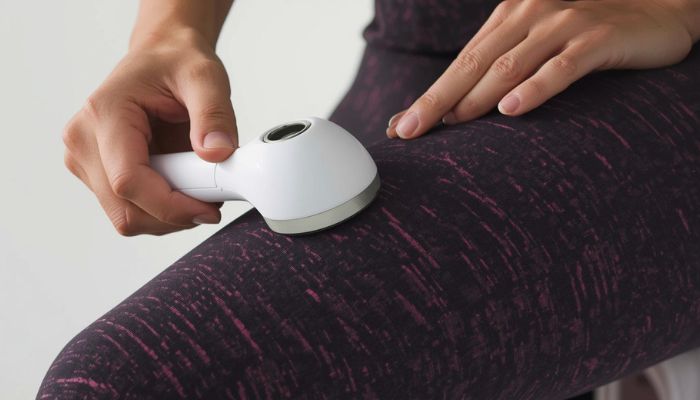
Yes, but use low speed and light pressure. Leggings made from synthetic blends can pill heavily, and the fabric is often thinner than a standard sweater. Check the care label first.
How do I know if my fabric shaver blades need replacing?
If the shaver takes significantly longer to remove pills, or if it leaves behind fuzz it used to catch, the blades are dull. Most manufacturers recommend replacement every 6 to 12 months.
Is it worth buying an electric shaver over a manual one?
If you have more than a few pilled items per season, yes. The time savings add up fast. For occasional use on one or two garments a year, a manual shaver is sufficient.
Can a fabric shaver fix a run in a sweater?
No. A run is a structural break in the knit, not a surface issue. Shaving over a run can actually make it worse by pulling more loops loose.
Use a needle and thread or take it to a tailor for repairs.