How to Use Beautural Fabric Shaver 2026: Pro Tips & Tricks
Here's how to use a Beautural fabric shaver: charge it fully, lay your garment flat, test on a hidden area first, then glide the shaver gently over pilled fabric using light circular motions. Empty the lint chamber as you go, and stop frequently to check your progress. That's the short version.
The full version, with all the details that keep you from accidentally ruining your favorite sweater, is what we're covering here.
The Beautural fabric shaver is one of the most popular portable defuzzers on the market as of 2026, and for good reason. It's affordable (typically $10 to $20), rechargeable via USB, and powerful enough to handle everything from delicate knitwear to heavy fleece blankets. But like any tool, it works well only when you know how to use it properly.
Let's walk through everything you need to know.
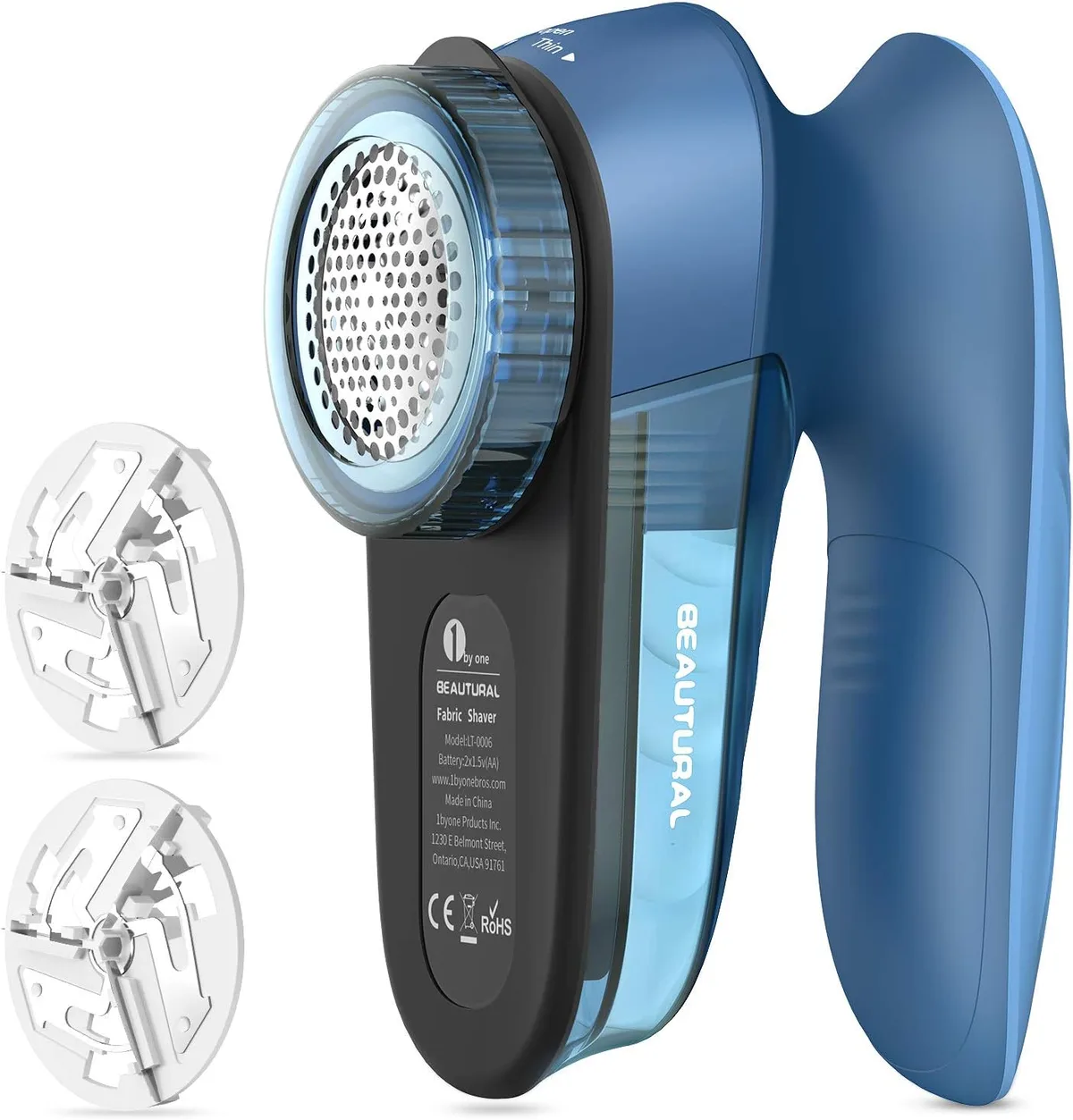
Image source: Bing (Web (fair-use with source credit))
Quick Answer
Charge the Beautural fabric shaver fully before first use. Lay your garment flat and taut on a smooth surface. Test on an inconspicuous area first.
Glide the shaver gently over pilled areas using light, circular motions. Do not press down. Empty the lint chamber periodically.
Stop often to check progress and avoid over-shaving.
What Is a Beautural Fabric Shaver and What Does It Actually Do?
A Beautural fabric shaver is a small, rechargeable electric device designed to remove pilling from fabric surfaces. Pilling happens when loose fibers tangle together and form tiny balls or "bobbles" on the surface of clothing and textiles. It's especially common on sweaters, fleece, blankets, and upholstery.
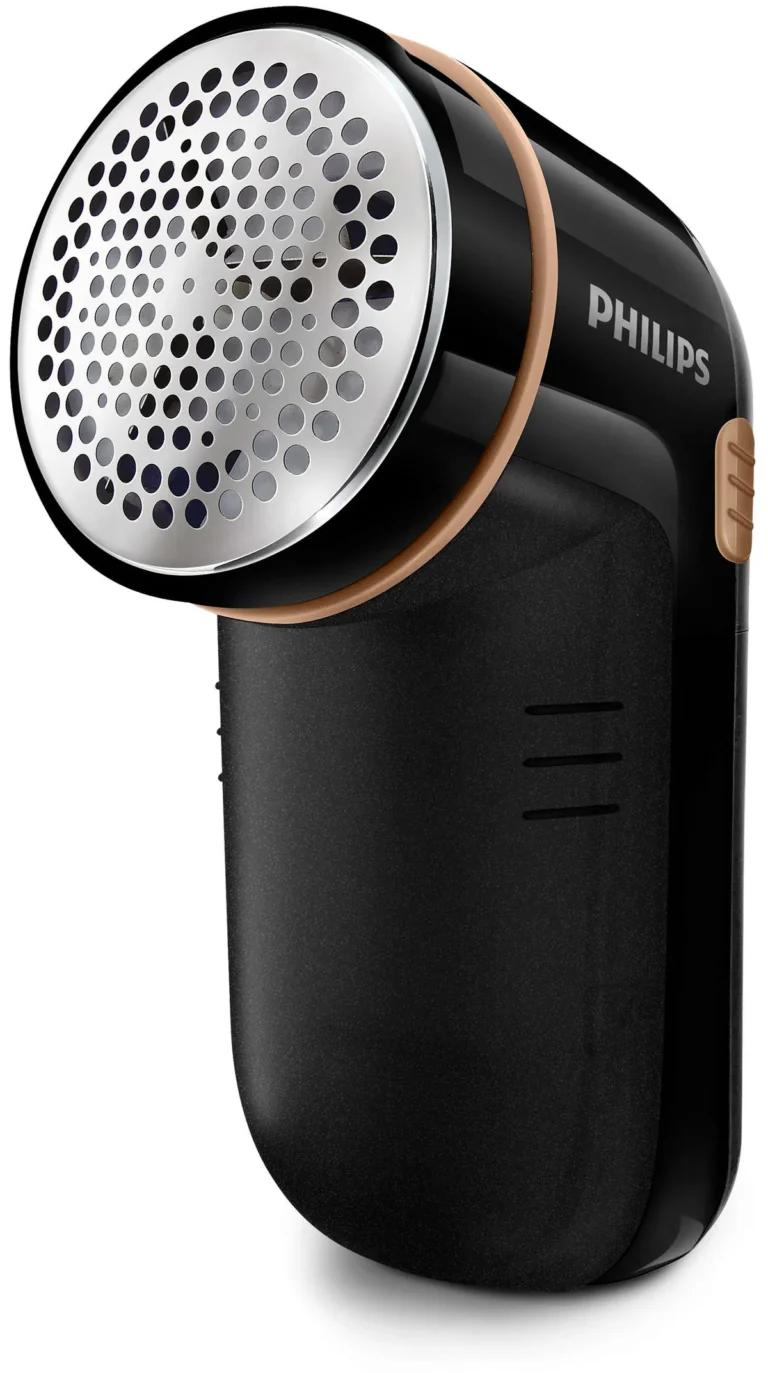
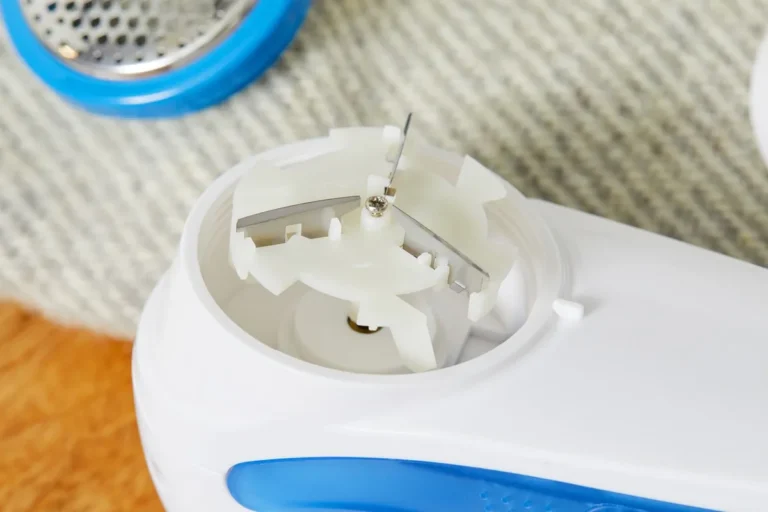
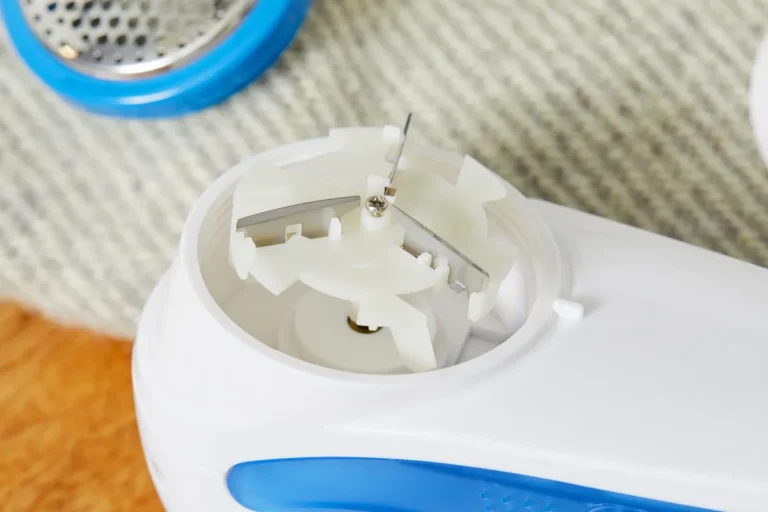
The device works by spinning a set of sharp, floating blades beneath a protective mesh guard. The guard sits against the fabric surface while the blades underneath cut away the raised pills without (when used correctly) damaging the fabric itself. The shaved-off fibers collect in a built-in lint chamber that you empty after use.
It's not a lint roller. A lint roller picks up surface-level lint, hair, and debris. A fabric shaver actually cuts away the tangled fiber balls that are attached to the fabric.
If you've ever wondered what a fabric shaver is and how it differs from other tools, that's the key distinction.
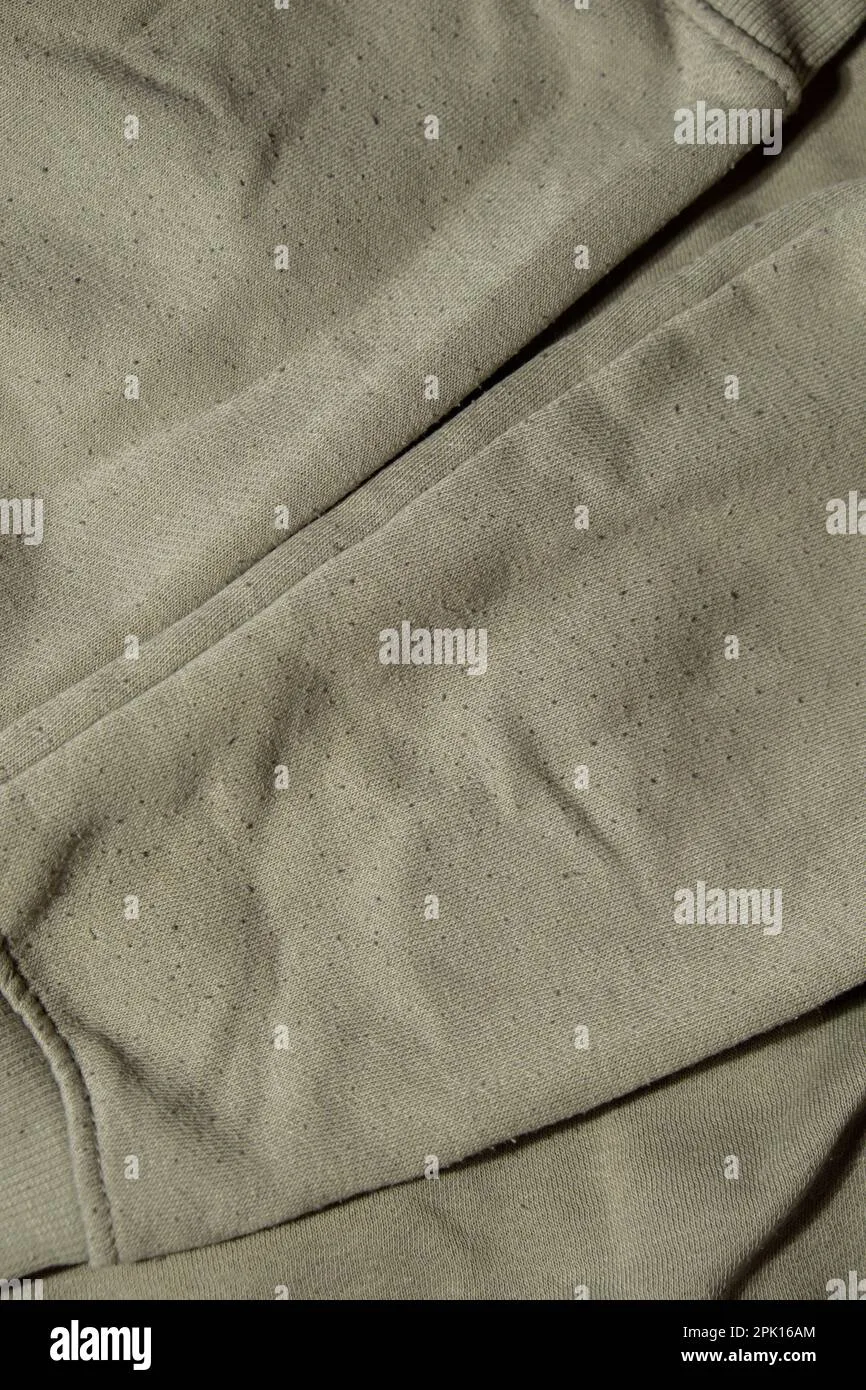
Image source: Bing (Web (fair-use with source credit))
Pilling is caused by friction, washing, and normal wear. It doesn't mean your clothes are cheap or falling apart. Even high-quality wool and cashmere will pill over time.
A fabric shaver simply reverses that wear and restores a smoother surface.
How the Beautural Fabric Shaver Works — The Mechanics Behind the Magic
Inside the Beautural fabric shaver, there's a small electric motor that drives a rotary cutting head. The blades are arranged in a floating configuration, which means they adjust slightly to the contour of the fabric as you move the device across the surface. This helps maintain consistent contact without gouging into the material.
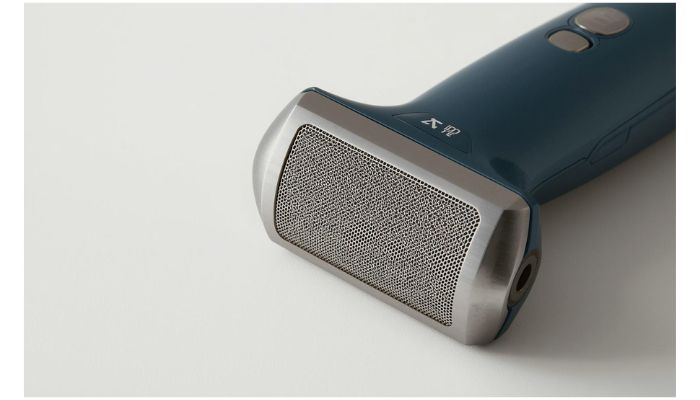
The mesh guard (the perforated metal cover over the blades) serves two purposes. First, it prevents the blades from directly contacting the fabric, which protects against cuts and snags. Second, it allows only the raised pills to pass through the holes and reach the blades, leaving the flat fabric surface untouched.
The motor runs at roughly 6,000 to 8,000 RPM depending on the speed setting. Lower speed gives you more control on delicate fabrics. Higher speed powers through heavy pilling on things like fleece blankets or wool coats.
The dual-speed option on most Beautural models is genuinely useful, not just a marketing gimmick.
Power comes from a built-in rechargeable lithium battery. A full charge takes about 2 to 3 hours via USB and gives you roughly 60 to 90 minutes of continuous use. That's more than enough for a full session of refreshing multiple garments.
The lint chamber sits behind the cutting head and collects everything the blades shave off. It's removable and easy to empty. If you don't empty it regularly, the chamber fills up, the blades can't spin freely, and performance drops noticeably.
What You'll Find in the Box — Features and Components
When you open the Beautural fabric shaver package, here's what you should expect to find:
- The shaver unit itself, with the motor housing, handle, and cutting head assembly
- USB charging cable (no wall adapter included, so you'll use a phone charger or computer port)
- Protective blade cap that snaps over the cutting head for safe storage
- Cleaning brush for clearing lint from the blade area and mesh guard
- User manual with basic operating instructions
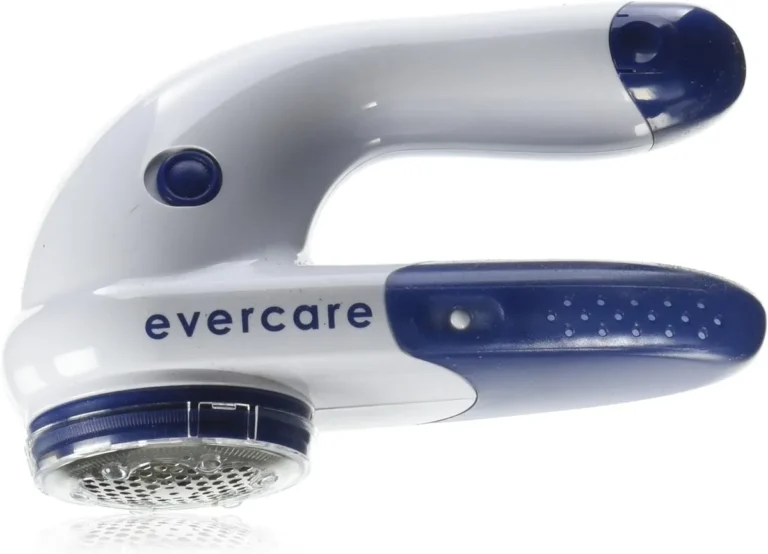
The handle is ergonomically shaped and lightweight, typically under 200 grams. It's comfortable to hold for extended sessions, which matters when you're working on a large blanket or multiple garments in one sitting.
The mesh guard is stainless steel and snaps on and off for cleaning. Some models include replacement guards or blades, though these are also sold separately. The lint chamber pulls out from the back or side of the unit, depending on the specific model.
There's usually an LED indicator that shows battery status and charging state. Red means charging, green (or off) means fully charged. Some models flash when the battery is low during use.
When to Use It and When to Walk Away — Fabric Types That Matter
This is where most generic guides fall short. Not every fabric should be shaved, and using a fabric shaver on the wrong material is the fastest way to turn a small problem into a big one.
Safe to use on:
- Wool sweaters and cardigans
- Cotton and cotton-blend knits
- Fleece jackets, blankets, and throws
- Acrylic and polyester blends
- Wool coats and blazers
- Upholstery fabric (with caution)
Use with extreme caution on:
- Cashmere (use the lowest speed and minimal pressure)
- Thin or loosely woven cotton
- Lululemon-style performance leggings (the fabric is prone to snagging; here's a detailed guide on that)
- Silk or silk blends
Do not use on:
- Frayed or torn fabric
- Fabrics with visible holes or thin spots
- Loosely woven or crocheted items where threads can pull
- Embroidered or beaded areas
- Wet fabric
If you're unsure about a specific fabric, test on an inside seam or hem first. Run the shaver gently over a small hidden area and check for any snagging, pulling, or damage before continuing to the visible surface.
For delicate items like cashmere, this guide on using a fabric shaver on cashmere walks through the specific technique adjustments you'll want to make. The short version: lowest speed, barely any pressure, and check every few seconds.
Upholstery is another common use case. If your couch or armchair has pilled armrests, a fabric shaver can help. Just go slowly and test first, since upholstery fabrics vary widely in durability.
This article on using a fabric shaver on a couch covers the specifics.
Step-by-Step: How to Use the Beautural Fabric Shaver Without Ruining Your Clothes
Here's the full process, broken down into clear steps. Follow these and you'll get great results without damaging anything.
Step 1: Charge it fully.
Plug in the shaver and wait until the LED indicates a full charge. Starting with a full battery ensures consistent motor speed throughout your session. A dying battery means a slowing motor, which can lead to uneven results.
Step 2: Prepare your garment.
Lay the item flat on a smooth, hard surface. A table or countertop works best. Stretch the fabric gently so it's taut but not distorted.
Wrinkles and bunching make it harder to shave evenly and increase the risk of catching the blades on folded fabric.
Step 3: Test on a hidden area.
Pick an inside seam, hem, or another spot that won't show. Run the shaver gently over a small area. Check for snagging, pulling, or any change in the fabric texture.
If everything looks fine, proceed.
Step 4: Choose your speed.
For delicate fabrics (cashmere, thin knits), use the low setting. For heavier fabrics (fleece, wool coats, blankets), the high setting is fine. When in doubt, start low and increase only if needed.
Step 5: Hold the shaver flat and light.
Place the mesh guard flat against the fabric surface. Do not press down. Let the weight of the device provide the only contact pressure.
The blades need to be close to the fabric, but pressing harder doesn't make it work faster. It makes it work worse.
Step 6: Use gentle, sweeping motions.
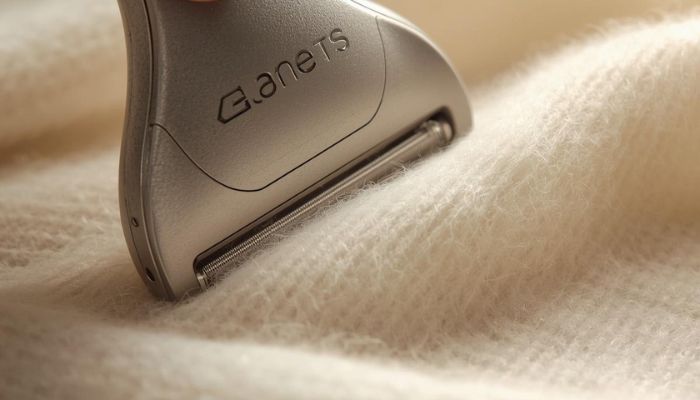
Move the shaver across the pilled area in small circles or light back-and-forth strokes. Work in sections rather than trying to cover the whole garment at once. Spend a few seconds on each area, then move on.
Step 7: Check your progress frequently.
Lift the shaver and look at the fabric. Are the pills gone? Is the surface smooth?
If yes, move to the next section. If some pills remain, go over the area once more. Do not keep shaving the same spot repeatedly.
Over-shaving thins the fabric and can create weak spots or holes.
Step 8: Empty the lint chamber.
Every few minutes, or whenever you notice the shaver isn't picking up as well, pop out the lint chamber and dump the collected fuzz. A full chamber reduces suction and blade efficiency.
Step 9: Finish and inspect.
Once you've covered all the pilled areas, give the garment a final look under good light. Make sure you haven't missed any spots and that the fabric looks even. If you notice any thin areas you may have over-shaved, stop.
There's no undoing that.
Step 10: Clean and store.
Remove the mesh guard and use the cleaning brush to clear any trapped lint from the blades and guard. Snap the protective cap back on the cutting head. Store in a dry place.
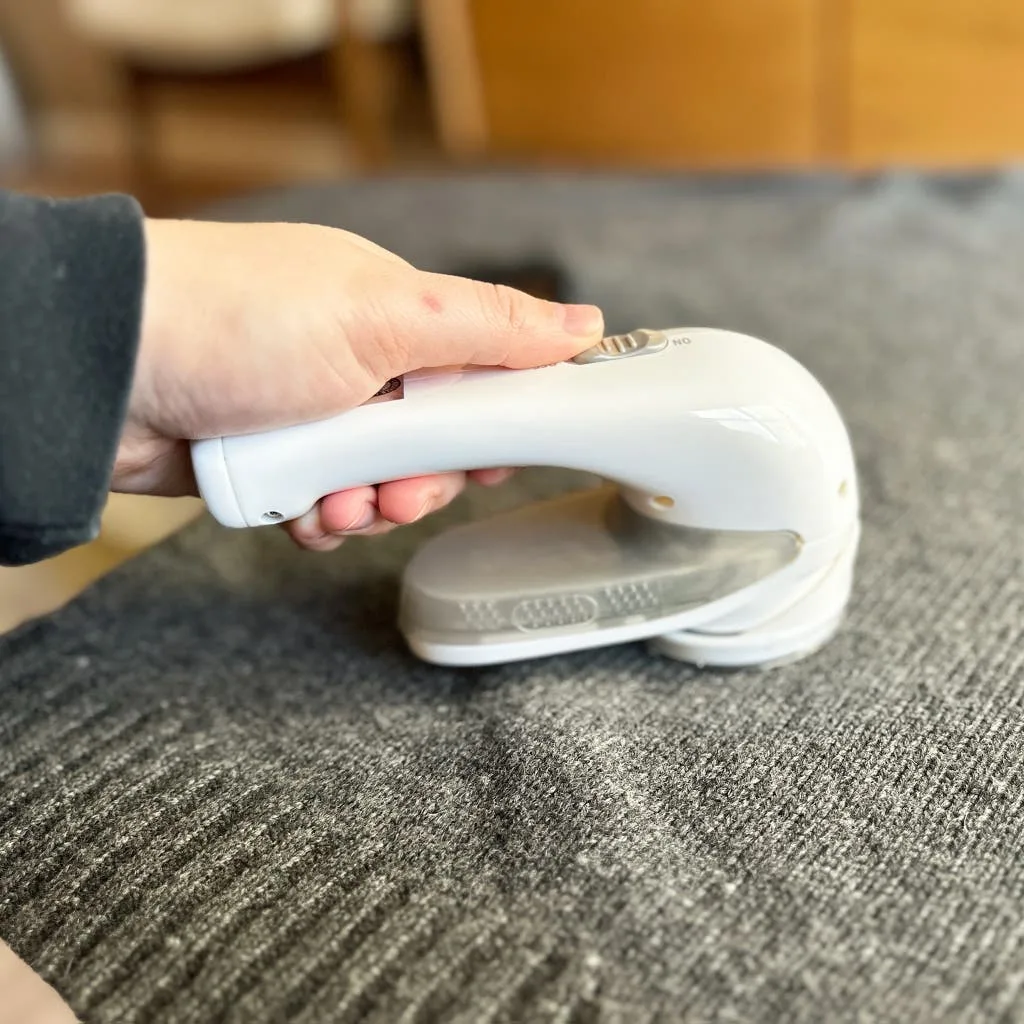
Image source: Bing (Web (fair-use with source credit))
The whole process for a single sweater usually takes 5 to 10 minutes. A large fleece blanket might take 20 to 30 minutes depending on how extensive the pilling is. Take your time.
Rushing leads to mistakes.
If you want a more general walkthrough of fabric shaver technique that applies to any brand, this complete guide on how to use a fabric shaver is a solid companion read.
The Mistakes That Turn a Fabric Shaver Into a Fabric Killer
Most damage from fabric shavers comes down to a handful of common errors. Here's what goes wrong and how to avoid it.
Pressing too hard. This is the number one mistake. People treat it like a razor on stubble and push down firmly. That forces the blades too close to the fabric and can cut fibers you didn't mean to cut.
The device's weight is enough pressure. If it's not cutting pills, the blades may be dull, not the pressure insufficient.
Shaving the same spot over and over. Going back and forth across one area repeatedly thins the fabric. Once the pills are gone, stop. If a few stubborn ones remain, come back to them after you've finished the rest of the garment.
Patience saves fabric.
Using it on the wrong material. Loosely woven fabrics, crochet, and items with visible damage are not good candidates. The blades catch on loose threads and pull them, making things worse. If the fabric is already thin or frayed, a shaver will accelerate the damage.
Ignoring the lint chamber. A full lint chamber means the blades can't spin freely and suction drops. The shaver pulls and tugs at the fabric instead of gliding. Empty it every few minutes during heavy use.
Skipping the test patch. Always test on a hidden area first. Some fabrics that look sturdy on the surface have a loose weave underneath that the blades will grab. Thirty seconds of testing can save a thirty-dollar sweater.
Storing it without the cap. The exposed blades can get nicked or bent if tossed in a drawer unprotected. A damaged blade catches on fabric. Always snap the protective cap back on after cleaning.
How It Stacks Up Against Other Pilling Solutions
The Beautural fabric shaver isn't the only way to deal with pilling. Here's how the main options compare.
| Method | Best For | Pros | Cons |
|---|---|---|---|
| Beautural fabric shaver | Most knits, fleece, upholstery | Fast, effective, reusable, affordable | Can damage fabric if misused |
| Lint roller | Surface lint, pet hair, debris | Cheap, no skill needed, no risk to fabric | Doesn't remove pilling at all |
| Sweater stone / fabric comb | Light pilling on sturdy fabrics | No batteries, gentle | Slow, requires effort, less effective on heavy pilling |
| Disposable razor | Emergency spot removal | Readily available | High risk of cutting fabric, not recommended |
| Professional dry cleaning | Delicate or expensive items | Expert handling | Expensive, not practical for regular maintenance |
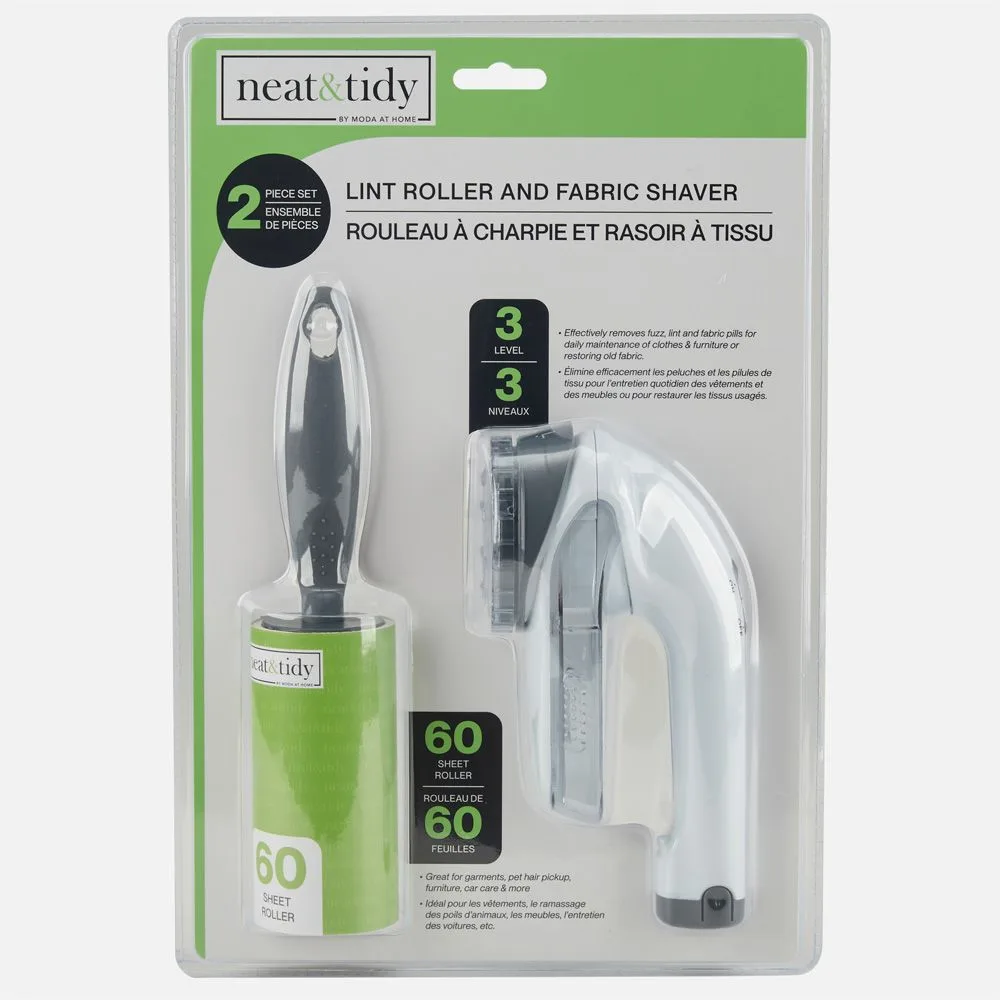
Image source: Bing (Web (fair-use with source credit))
A lint roller and a fabric shaver solve different problems. If your clothes are covered in pet hair or loose lint, grab the roller. If they're covered in pills, you need the shaver.
Using one when you need the other is a common source of frustration.
Manual options like sweater stones work for light pilling on thick wool, but they're slow and require elbow grease. For someone refreshing a whole wardrobe or dealing with heavy pilling on fleece, an electric shaver is significantly more practical.
If you're dealing with lint specifically (not pilling), this guide on removing lint without a lint roller covers alternative approaches. And for blankets specifically, here's how to get rid of lint on blankets using methods that complement what a shaver does.
Who Actually Benefits Most From a Beautural Fabric Shaver?
This tool isn't for everyone, but for certain people it's genuinely indispensable.
Wardrobe refreshers. If you buy secondhand clothes, thrift regularly, or just want to keep older garments looking good, a fabric shaver pays for itself quickly. A $15 device can make a $5 thrift store sweater look brand new.
Fleece and knitwear owners. Anyone with a collection of fleece blankets, hoodies, or wool sweaters will see pilling within a few washes. Regular shaving keeps everything looking fresh.
Upholstery maintainers. Couch armrests, car seats, and fabric headboards pill from friction. A fabric shaver restores these surfaces without reupholstering.
Resellers and donation preparers. If you sell clothes online or donate regularly, shaving pills before listing or donating makes items more presentable and more likely to find a new home.
People who hate throwing clothes away. Pilling is one of the top reasons people discard clothing that's otherwise perfectly functional. A fabric shaver extends garment life and reduces textile waste.
If you're in any of these groups, the Beautural is a practical, low-cost tool that earns its spot in your closet. If you mostly wear smooth-weave fabrics like denim or polyester that rarely pill, you probably don't need one.
Keeping It Running Right — Maintenance and Long-Term Care
A little maintenance goes a long way toward keeping your Beautural shaver performing well over time.
Clean after every use. Remove the mesh guard and use the included brush to clear lint from the blades and guard. Lint buildup around the blade axle slows the motor and reduces cutting efficiency.
Empty the lint chamber completely. Don't just tap it out. Pop it open and brush or blow out the fine fibers that cling to the inside. Residual lint compacts over time and becomes harder to remove.
Charge it before the battery dies completely. Lithium batteries last longer when you don't fully drain them every cycle. Plug it in when the LED indicates low battery rather than running it until it stops.
Replace blades when performance drops. Over time, blades dull from normal use. If the shaver is pulling pills instead of cutting them cleanly, or if you need to go over the same area multiple times, it's time for a fresh blade or guard. Replacement parts are inexpensive and widely available.
Store it dry and capped. Moisture can corrode the blade contacts over time. Make sure the unit is dry before storing, and always keep the protective cap on to prevent blade damage.
With basic care, a Beautural fabric shaver should last several years. The battery will degrade eventually, as all lithium batteries do, but the mechanical parts are simple and durable.
What It Costs and Whether It's Worth It
The Beautural fabric shaver typically retails between $10 and $20 USD on Amazon as of 2026. Replacement blade sets run about $5 to $8. There are no ongoing costs beyond occasional blade replacements and the negligible electricity used for USB charging.
Compare that to the cost of replacing a pilled sweater ($30 to $100-plus), paying for professional garment restoration, or buying adhesive lint rollers that need constant refills. The math works out quickly in the shaver's favor.
For under $20, you get a tool that can refresh dozens of garments, extend the life of your wardrobe, and reduce the number of items you throw away due to surface wear. That's a strong return on investment for almost anyone who owns knitwear or fleece.
If you're looking to pick one up, this guide on where to buy a fabric shaver covers the most reliable sources and what to watch for when shopping.
Expert Tips Most People Learn the Hard Way
These are the things experienced users figure out after a few sessions. Save yourself the trial and error.
Work in natural light. Pills cast small shadows that make them easy to spot under a lamp or near a window. In dim lighting, you'll miss spots or over-shave areas that are already smooth.
Shave before washing, not after. Wet fabric is more fragile and pills cling tighter when damp. Always shave on dry fabric. Then wash the garment to remove any loose fibers left behind.
Go with the grain first. Start by moving the shaver in the direction of the fabric's natural weave or knit pattern. If pills remain, go across the grain on a second pass. This reduces stress on the fabric fibers.
Use a pillowcase for small items. Slip a sweater inside a clean pillowcase and shave through the fabric. The case holds the garment taut and prevents the shaver from catching on loose edges. It sounds odd, but it works well for lightweight knits.
Don't ignore the inside. Some fabrics pill on the inside too, especially fleece. Turn items inside out and give them a quick pass. This is also a good way to test how the fabric reacts before working on the visible side.
Your Quick-Reference Decision Guide
Not sure whether to grab the Beautural or try something else? Here's a simple breakdown.
Use the Beautural fabric shaver if:
- Your clothes, blankets, or upholstery have visible pilling
- You want a fast, reusable solution under $20
- You're comfortable following basic safety steps
- You own knitwear, fleece, or wool items that see regular wear
Skip it and use a lint roller if:
- You're dealing with surface lint, pet hair, or loose debris
- The fabric has no pilling, just loose fibers
- You need a zero-risk option for very delicate items
Skip it and consult a professional if:
- The garment is expensive, vintage, or irreplaceable
- The fabric is already damaged, fraying, or has holes
- You're unsure about the fabric type and don't want to risk it
Try a manual alternative if:
- You only have light pilling on one or two items
- You prefer a no-battery option
- You're willing to put in more time and effort
For most people dealing with everyday pilling on everyday clothes, the Beautural hits the sweet spot of price, effectiveness, and ease of use. It's not magic, but it's close.
Frequently Asked Questions
Can you use a Beautural fabric shaver on any fabric?
No. It works best on knits, wool, fleece, and cotton blends. Avoid using it on silk, loosely woven fabrics, crochet, frayed items, or anything with visible damage.
Always test on a hidden area first.
How often should I use a fabric shaver on my clothes?
Only when pilling appears. There's no need to shave garments preventively. Most people find they need to use it every few months on frequently worn items like sweaters and hoodies.
Will a fabric shaver damage my clothes?
Not if you use it correctly. The mesh guard protects the fabric, and the floating blades only cut raised pills. Damage comes from pressing too hard, shaving the same spot repeatedly, or using it on unsuitable fabrics.
How do I clean the Beautural fabric shaver?
Remove the mesh guard after each use and brush out lint from the blades and guard. Empty the lint chamber completely. A quick clean takes less than a minute and keeps performance consistent.
How long does the battery last per charge?
A full charge gives roughly 60 to 90 minutes of continuous use. That's enough for multiple garments in a single session. Charge time is about 2 to 3 hours via USB.
Can I use the Beautural shaver on upholstery?
Yes, with caution. Test on a hidden area first and use light, gentle strokes. Upholstery fabrics vary widely in durability, so go slowly and check your progress frequently.