How to Remove Acrylic/fabric Paint From Clothes in 2026
How to Remove Acrylic/Fabric Paint from Clothes
You've just finished a painting session and noticed a bright smear of acrylic across your favorite shirt. Or maybe your kid came home from art class with fabric paint ground into their jeans. Learning how to remove acrylic/fabric paint from clothes starts with one critical factor: how fast you act.
Wet paint comes out easily. Dried or heat-set paint is a completely different problem.
The method that works best depends on the paint type, the fabric, and how long the stain has been sitting. Manufacturer specifications from brands like Tulip and FolkArt confirm that most fabric paints become water-resistant once fully cured, which typically happens within 24 to 72 hours. That means your window for an easy fix is shorter than you'd think.
Let's walk through exactly what to do based on your specific situation.
Image source: Bing (Web (fair-use with source credit))
Quick Answer: What Actually Works on Paint Stains
Act fast. Blot wet acrylic paint with a clean cloth, then flush the area with cold water. For dried stains, apply 70% or 90% isopropyl alcohol and let it sit for 10 minutes before blotting.
Always test your solvent on a hidden seam first. Never use hot water on acrylic paint, as heat bonds the pigment to fabric fibers permanently. If the paint has been ironed or run through a dryer, removal becomes significantly harder.
First, Identify What You're Dealing With
Before you grab any cleaning product, you need to know three things. The paint type, the fabric type, and the stain age. Each one changes which method will work and which ones could damage your garment.
Paint type: acrylic, fabric, permanent, or washable
Acrylic craft paint (the kind in bottles from Apple Barrel or Craft Smart) is water-based when wet but forms a plastic-like film once dry. Fabric paint (like Tulip or DecoArt) is formulated to bond with textile fibers and is often labeled "permanent" or "washable." Permanent fabric paint is designed to survive washing and heat, which makes it the hardest to remove. Washable fabric paint, sometimes called "puffy paint" in kids' craft sets, hasn't fully cured and responds better to treatment.
Check the paint bottle or packaging if you still have it. The label usually says whether it's permanent, washable, or requires heat-setting with an iron.
Fabric type: cotton, silk, polyester, wool, or blends
Natural fibers like cotton and denim are the most forgiving. They can handle rubbing alcohol, dish soap, and warm water without much risk. Synthetic fabrics like polyester and nylon are tougher on stains but more resistant to solvent damage.
Delicate fabrics like silk, wool, and rayon are the problem children. Alcohol and acetone can discolor, weaken, or dissolve these fibers entirely.
If you're unsure what the fabric is, check the care label inside the garment. You can also reference our guide on how to find grainline on fabric for tips on reading garment construction details.
Stain age: wet, dried, or heat-set
This is the single biggest factor in whether you'll succeed.
- Wet paint (under 1 hour): Very removable. Cold water and dish soap will likely do the job.
- Dried paint (1 to 72 hours): Still removable with solvents like isopropyl alcohol, but it takes more effort and multiple applications.
- Heat-set paint (ironed or machine-dried): The paint has chemically bonded to the fibers. Removal is difficult and sometimes impossible without damaging the fabric.
If you accidentally tossed the garment in the dryer, assume the paint is heat-set. That changes your entire approach.
Step-by-Step: How to Remove Wet Acrylic Paint from Clothes
Wet paint is your best-case scenario. The pigment hasn't bonded to the fibers yet, so you can lift most of it before it sets. Here's the process.
Step 1: Don't rub. Grab a clean, dry cloth or paper towel and blot the stain. Rubbing pushes the paint deeper into the weave and spreads it outward. Press down firmly, lift, and repeat with a clean section of the cloth.
Step 2: Flush with cold water. Hold the stained area under cold running water with the stain face-down. This pushes the paint out of the fabric rather than through it. Let the water run through the back of the stain for 2 to 3 minutes.
Step 3: Apply dish soap. Squirt a small amount of liquid dish soap (like Dawn) directly onto the stain. Gently work it in with your fingers. Dish soap is a surfactant, meaning it breaks the surface tension of the paint and lifts it from the fibers.
Step 4: Rinse and repeat. Rinse with cold water. If color remains, repeat steps 2 and 3. Most wet acrylic paint will come out within 2 to 3 rounds.
Step 5: Wash normally. Once the visible stain is gone, wash the garment by itself in cold water with regular laundry detergent. Air dry and check the area before putting it in the dryer. If any trace remains, repeat the process before heat touches it again.
Step-by-Step: How to Remove Dried Acrylic Paint from Clothes
Dried acrylic paint has formed a plastic film over the fabric. You need a solvent to break that film down before you can lift the pigment. This takes more time and patience, but it works in most cases.
Step 1: Scrape off excess. Use a dull knife, spoon, or your fingernail to gently lift away any thick, raised paint. Don't force it. You're just removing the top layer so the solvent can penetrate what's left.
Image source: Bing (Web (fair-use with source credit))
Step 2: Test your solvent. Before applying anything to the stain, dab a small amount of your chosen solvent on a hidden area, like an inside seam or hem. Wait 2 minutes. If the fabric shows no discoloration or damage, proceed.
Step 3: Apply isopropyl alcohol. Soak a clean cloth or cotton ball in 70% or 90% isopropyl alcohol. Press it onto the stain and let it sit for 10 to 15 minutes. The alcohol breaks down the acrylic polymer that's holding the paint together.
Step 4: Blot and lift. After the alcohol has sat, use a clean cloth to blot the area. You should see paint transferring to the cloth. Move to a clean section of the cloth and repeat.
Don't scrub hard. Gentle, repeated blotting is more effective and safer for the fabric.
Step 5: Rinse with cold water. Flush the area thoroughly to remove alcohol and paint residue.
Step 6: Treat with dish soap. Apply liquid dish soap to the area and gently work it in. This removes any remaining pigment and solvent residue.
Step 7: Wash and inspect. Wash the garment alone in cold water. Air dry completely. Check the stain under good light before using the dryer.
If it's still visible, repeat steps 3 through 7.
For particularly stubborn dried stains, you may need 3 to 4 rounds of alcohol treatment. Patience matters more than force here.
The Best Solvents and Household Products for Paint Stain Removal
Not all solvents work the same, and some can damage certain fabrics. Here's a breakdown of what to use and when.
| Solvent | Best For | Avoid On | Notes |
|---|---|---|---|
| Isopropyl alcohol (70% or 90%) | Cotton, denim, polyester, most synthetics | Silk, wool, rayon, acetate | The go-to for dried acrylic paint. Safe on most sturdy fabrics. |
| Acetone / nail polish remover | Cotton, denim (tough stains) | Silk, wool, acetate, modacrylic, spandex | Stronger than alcohol but can melt or discolor synthetics. |
| Dish soap (Dawn, etc.) | All fabrics, wet paint stage | None | Best first-line treatment. Gentle and effective on fresh stains. |
| White vinegar | Light stains, odor removal | Delicate fabrics in high concentration | Mild acid that helps break down water-based paint. |
| Commercial stain remover (Shout, OxiClean) | Pretreatment before washing | Check label for fabric restrictions | Works well as a follow-up after solvent treatment. |
| Goo Gone | Adhesive and paint residue | Silk, leather, dry-clean-only | Effective but oily. Requires thorough dish soap cleanup after. |
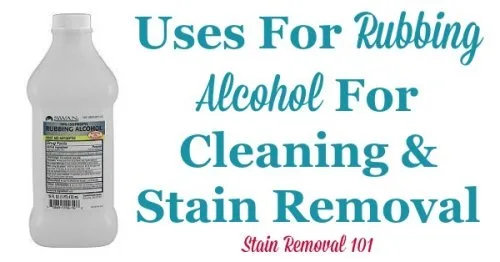
Image source: Bing (Web (fair-use with source credit))
Isopropyl alcohol is the most versatile option. It's effective on acrylic paint and safe on the majority of everyday fabrics. You can find it at any pharmacy or grocery store.
The 90% concentration works faster, but 70% is gentler on colored fabrics.
Acetone is your backup for stains that won't budge with alcohol. It's the active ingredient in most nail polish removers. Use it sparingly and only on sturdy natural fibers.
If the fabric care label mentions acetate, triacetate, or modacrylic, skip acetone entirely. It will dissolve these materials.
Dish soap is underrated. For wet paint, it's often all you need. It's also essential as a cleanup step after using any solvent, since it cuts through oily residue.
If you're dealing with a stain on upholstery or furniture fabric rather than clothing, the approach is similar but requires extra care with moisture. Our guide on how to remove mold from fabric furniture covers solvent safety on household textiles in more detail.
Fabric-by-Fabric Guide: What to Use and What to Avoid
The wrong solvent on the wrong fabric can turn a fixable stain into a ruined garment. Here's how to match your approach to the material you're working with.
Cotton and denim
Cotton is the most forgiving fabric for paint stain removal. It can handle isopropyl alcohol, acetone, warm water, and vigorous blotting without damage. Denim is equally tough.
For dried acrylic on jeans, start with alcohol and work up to acetone if needed. These fabrics also tolerate multiple treatment rounds, which is helpful for set-in stains.
One caveat: colored cotton and dyed denim can fade with aggressive solvent use. Always test on an inside seam or waistband first.
Polyester and synthetic blends
Polyester resists water-based stains naturally, which means wet acrylic paint often sits on the surface rather than soaking in. That's good news. Flush with cold water and use dish soap as your first move.
Avoid acetone on polyester and nylon. It can melt or create shiny, stiff patches on the fabric. Stick with isopropyl alcohol and dish soap.
Synthetic blends (like poly-cotton) fall somewhere in between. Test your solvent on a hidden area and proceed cautiously.
Silk, wool, and delicate fabrics
This is where things get risky. Silk and wool are protein fibers that react poorly to harsh solvents. Isopropyl alcohol can strip dye and leave water spots on silk.
Acetone can dissolve wool fibers entirely. Even vigorous blotting can distort the fabric's texture.
For these materials, your safest bet is a small amount of mild dish soap and cold water applied with a light dabbing motion. If the stain persists, skip the DIY approach and take it to a professional dry cleaner. The cost of cleaning is almost always less than replacing a silk blouse or wool sweater.
Dry-clean-only garments
If the care label says "dry clean only," respect that. These fabrics (including acetate, velvet, and many structured garments) are often finished with chemical treatments that solvents can strip or discolor. Blot what you can with a dry cloth, then get it to a professional as soon as possible.
Tell them exactly what the stain is and how old it is.
Image source: Wikimedia Commons / Onlysilence (CC BY-SA)
Common Mistakes That Make Paint Stains Worse
Even with the right supplies, it's easy to accidentally set a stain permanently. These are the errors we see most often.
Using hot water on acrylic paint. Heat causes acrylic polymers to bond with fabric fibers. Once that bond forms, no solvent will fully break it. Always use cold water for rinsing and initial treatment.
Warm water is fine for the final wash cycle after the stain is gone.
Rubbing instead of blotting. Rubbing grinds paint deeper into the weave and spreads the stain outward. Blotting lifts paint out. It feels slower, but it's the only method that actually removes pigment rather than redistributing it.
Skipping the solvent test. Applying alcohol or acetone to a hidden seam takes 30 seconds. Skipping that step can result in discoloration, fabric weakening, or a chemical burn mark that's worse than the original stain.
Putting the garment in the dryer before confirming the stain is gone. Dryer heat sets any remaining pigment permanently. Air dry the garment after treatment and inspect the area under bright light. If you see even a faint shadow, repeat the treatment.
Mixing cleaning chemicals. Never combine bleach with vinegar, ammonia, or acetone. These combinations produce toxic fumes. Stick to one solvent at a time and rinse thoroughly between applications.
Assuming all fabric paint is removable. Permanent fabric paint, especially after heat-setting, is designed to be, well, permanent. If the label says "permanent" or "machine washable after heat setting," manage your expectations. You may lighten the stain significantly without removing it entirely.
When to Call a Professional Dry Cleaner
There are situations where home treatment isn't worth the risk. Call a professional if the garment is expensive, sentimental, or made from a delicate fabric. Also consider professional help if you've already tried two or three rounds of home treatment without improvement.
Dry cleaners have access to industrial solvents and spotting agents that aren't available over the counter. They also have experience identifying fabric compositions and paint types on the spot. A good dry cleaner will assess the stain and give you an honest answer about whether removal is possible.
When you bring the garment in, tell them what type of paint caused the stain and approximately how long it's been there. The more information you give them, the better their chances.
If you're dealing with a stain on a household textile like a couch cushion or curtain, the same logic applies. Our article on how to remove mold from fabric furniture covers when to call in a pro for upholstery situations.
How to Prevent Paint Stains in the First Place
The best stain is the one that never happens. A few simple habits can save you a lot of trouble.
Wear a dedicated painting shirt or smart. Keep an old t-shirt or button-down specifically for craft projects. Thrift stores are great for this. You don't need to worry about ruining something you already planned to throw away.
Lay down a drop cloth or plastic sheeting. Most paint spills happen when someone sets a wet brush down on their lap or brushes against a painted surface. A cheap plastic drop cloth from the hardware store protects both your clothes and your workspace.
Keep a damp cloth nearby. If you wipe your hands and brushes frequently during a session, you're less likely to transfer paint to your clothes accidentally. A wet rag on the table does the job.
Treat stains immediately. If you do get paint on your clothes, stop what you're doing and start treatment right away. Even 10 minutes of working with wet paint on fabric gives it time to soak in and begin drying.
Read the paint label before you start. Know whether you're using washable or permanent paint. If it's permanent, take extra precautions. If it's washable, you have more room for error.
FAQs: Acrylic and Fabric Paint Stain Removal
Can you remove acrylic paint from clothes after it dries?
Yes, in most cases. Dried acrylic paint responds to isopropyl alcohol, which breaks down the polymer film. Apply the alcohol, let it sit for 10 to 15 minutes, then blot repeatedly.
Multiple applications are usually needed. The longer the paint has been dried, the more treatment rounds you'll need.
Does vinegar remove acrylic paint from fabric?
White vinegar can help with light, fresh stains because it's mildly acidic. It's not strong enough for dried or set-in acrylic paint on its own. Use it as a supplement to dish soap for wet stains, but rely on isopropyl alcohol for anything that's already dried.
Can you use nail polish remover on clothes to remove paint?
Yes, but with caution. Most nail polish removers contain acetone, which is effective on acrylic paint. However, acetone can damage silk, wool, acetate, and some synthetic fabrics.
Always test on a hidden area first and use it only on sturdy natural fibers like cotton and denim.
How do you remove permanent fabric paint from clothes?
Permanent fabric paint is the hardest type to remove, especially after heat-setting. Try isopropyl alcohol first, then acetone on cotton or denim. If the paint has been ironed or machine-dried, full removal may not be possible.
A professional dry cleaner is your best option for valuable garments.
Will OxiClean remove paint from clothes?
OxiClean and similar oxygen-based cleaners can help as a pretreatment step, particularly for light stains or residual pigment after solvent treatment. They won't dissolve dried acrylic paint on their own. Use them after you've already lifted the bulk of the stain with alcohol or dish soap.
What temperature water removes acrylic paint from clothes?
Always use cold water for initial rinsing and stain treatment. Hot water sets acrylic paint by bonding the pigment to fabric fibers. Once the stain is fully removed, you can wash the garment in warm water with detergent for a final clean.
Final Decision Guide: Your Situation, Your Best Move
Here's a quick-reference flow to get you to the right method fast.
Wet paint on cotton or denim: Flush with cold water, apply dish soap, blot, and rinse. Wash in cold water and air dry.
Wet paint on silk or wool: Dab gently with cold water and a tiny amount of dish soap. Do not use alcohol or acetone. If the stain doesn't lift immediately, take it to a dry cleaner.
Dried paint on cotton or denim: Scrape off excess, apply isopropyl alcohol, let it sit 10 to 15 minutes, blot, and repeat. Follow with dish soap and a cold-water wash.
Dried paint on polyester or synthetics: Scrape gently, use isopropyl alcohol (not acetone), blot carefully, and wash in cold water. Avoid heat at every stage.
Dried paint on silk, wool, or dry-clean-only: Blot what you can with a dry cloth. Take it to a professional. Home solvents risk permanent damage.
Heat-set paint (ironed or machine-dried): Try isopropyl alcohol on sturdy fabrics. For anything delicate or valuable, go straight to a dry cleaner. Full removal is not guaranteed.
Permanent fabric paint: Treat as dried paint above, but set realistic expectations. Permanent paint may lighten but not disappear entirely, especially after curing.
The common thread through all of this is speed and patience. Act fast when the paint is wet. Be patient and repeat treatments when it's dry.
And know when to hand it off to a professional rather than risk making things worse.